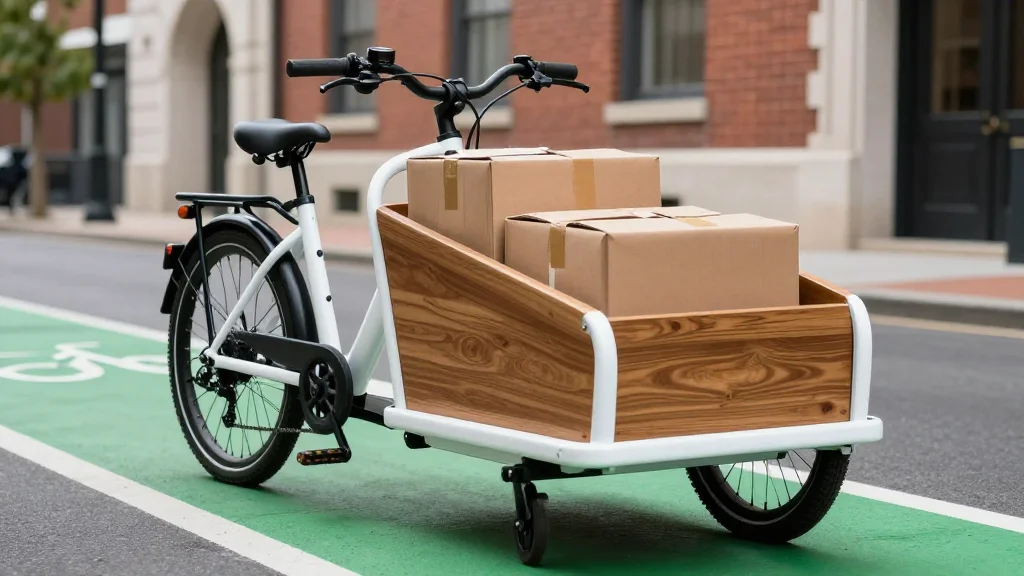
Amazon Launches Cargo Bike Deliveries in DC
Companies Mentioned
Why It Matters
The pilot could demonstrate a scalable, low‑emission model for dense‑city deliveries, reshaping how major retailers meet consumer expectations. Success would give Amazon a competitive edge in sustainable logistics and influence municipal transportation policies.
Key Takeaways
- •Amazon deploys up to 15 e‑cargo bikes in Washington, D.C.
- •Pilot runs 10 months to evaluate last‑mile efficiency
- •E‑bikes aim to cut traffic congestion and delivery noise
- •Builds on Manhattan’s 250‑bike fleet and 250k foot deliveries
- •Uses bike lanes and loading zones for faster urban deliveries
Pulse Analysis
Amazon’s entry into micromobility marks a strategic shift for the e‑commerce giant, extending its experimental cargo‑bike program from Manhattan to Washington, D.C. The 10‑month pilot will field up to 15 electric three‑wheeled bikes, each equipped with a secure cargo hold and weather‑proof rider seat. By loading parcels at a dedicated micro‑hub in Southwest D.C., the company hopes to streamline the last‑mile segment, where dense urban deliveries traditionally rely on vans that contribute to congestion and emissions. The move reflects a broader industry trend toward greener, more flexible delivery fleets.
European cities have long demonstrated the efficiency of e‑cargo bikes for short‑haul logistics, and D.C. planners are eager to replicate those gains. The District Department of Transportation notes that bikes can operate in bike lanes, pedestrian‑only zones, and commercial loading areas, bypassing traffic bottlenecks that slow conventional trucks. Early data from Manhattan’s 250‑bike fleet suggest reductions in delivery noise and a modest dip in carbon output, while maintaining comparable parcel volumes. Amazon’s pilot will provide the city with real‑time metrics on speed, safety, and community acceptance.
If the pilot proves successful, Amazon could scale its micromobility network to other dense markets, potentially reshaping the economics of last‑mile fulfillment. Faster, quieter deliveries may lower labor costs and improve customer satisfaction, while municipalities could see eased street congestion and lower maintenance expenses. Competitors such as UPS and DHL are already testing similar solutions, intensifying the race for sustainable urban logistics. Challenges remain, including rider training, weather resilience, and integration with existing delivery infrastructure, but the experiment positions Amazon at the forefront of the next logistics evolution.
Amazon launches cargo bike deliveries in DC
Comments
Want to join the conversation?
Loading comments...