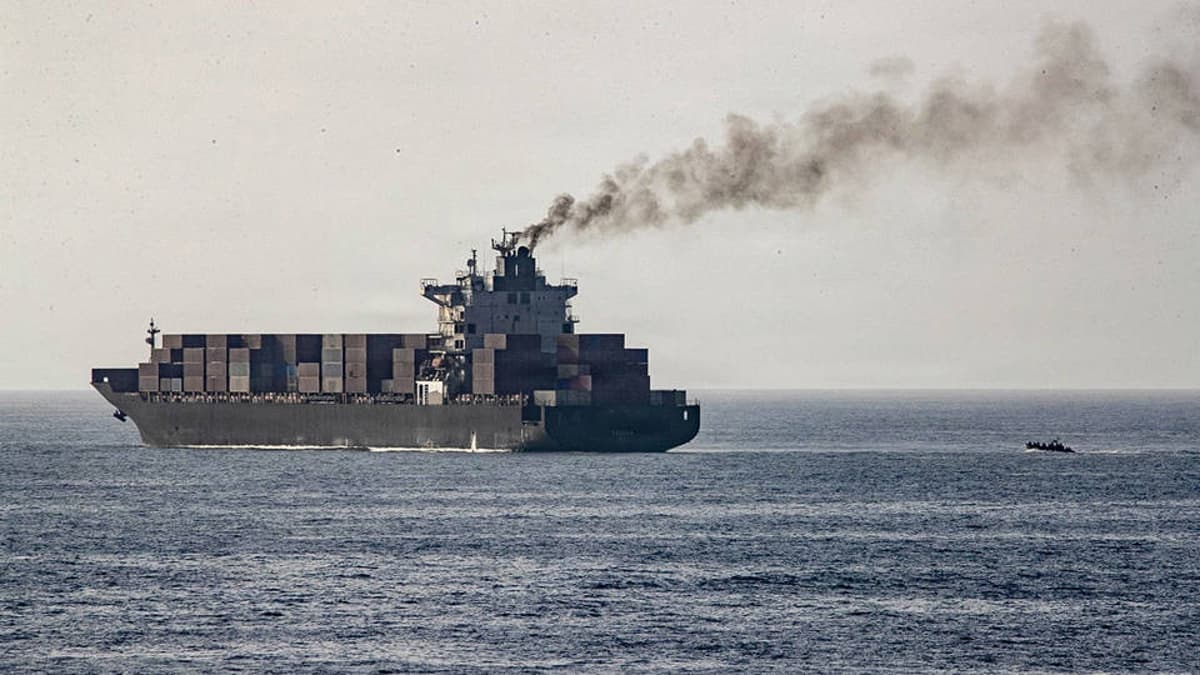
An Economic Model for Securing Hormuz
Why It Matters
A stable, fee‑based passage through Hormuz reduces oil‑price volatility and safeguards U.S. energy security while creating a predictable revenue stream for Iran and its Gulf partners.
Key Takeaways
- •Hormuz closure threatens 25% of global seaborne oil.
- •Military options deemed unlikely to ensure long‑term safety.
- •Proposed fee‑based passage could institutionalize Gulf cooperation.
- •Model offers revenue for Iran and security for shippers.
- •U.S. interests align with stable, predictable oil flow.
Pulse Analysis
The Strait of Hormuz remains a chokepoint that can swing global oil markets with a single incident. When a disruption occurs, benchmark crude prices can spike, supply contracts are renegotiated, and downstream industries face cost pressures. Energy analysts therefore monitor geopolitical signals from Tehran and the Gulf as closely as they watch inventory data, because any interruption instantly reverberates through the global economy. Understanding the underlying risk dynamics is essential for investors, policymakers, and corporate treasurers who must hedge against sudden price shocks.
The proposed economic model shifts the paradigm from a militarized deterrent to a market‑driven security mechanism. By charging a modest transit fee—similar to the Suez Canal or Panama Canal tolls—Iran and cooperating Gulf states would formalize a guarantee of safe passage. The arrangement promises a steady revenue stream for Tehran, offsetting sanctions‑related losses, while providing shippers with predictable costs and reduced insurance premiums. For the United States, the model offers a way to mitigate geopolitical risk without direct military involvement, preserving freedom of navigation and supporting the broader stability of the international oil market.
If implemented, the fee‑based system could reshape investment strategies across the energy sector. Traders may price in lower risk premiums, while infrastructure firms could explore ancillary services such as port upgrades and maritime security contracts. However, the model faces hurdles, including the need for transparent governance, compliance with international sanctions regimes, and buy‑in from major oil exporters and consumers. Monitoring how regional actors negotiate the fee structure and enforcement mechanisms will be critical for assessing the model’s durability and its impact on global energy security.
An Economic Model for Securing Hormuz
Comments
Want to join the conversation?
Loading comments...