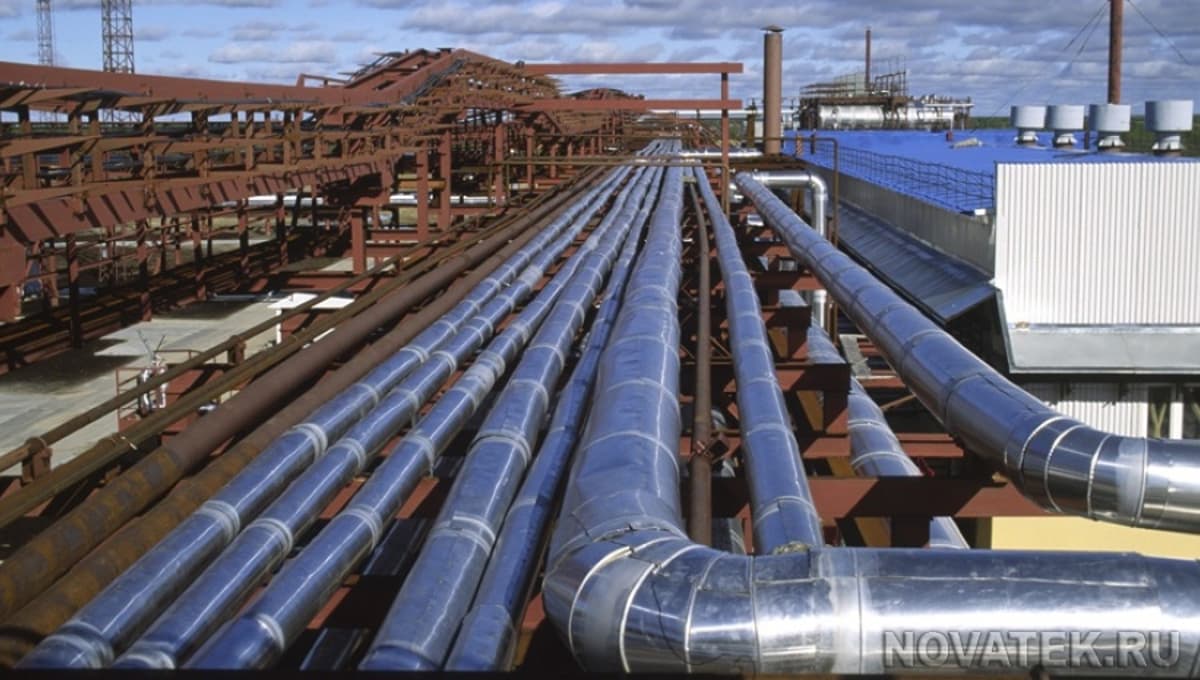
Ankara Proposes Grand Rewiring of Middle East Energy Export Map Amid Hormuz Blockade
Why It Matters
If realized, Turkey’s corridor could decouple global oil and gas supplies from the Hormuz choke point, stabilizing prices and diversifying export routes, but it hinges on multi‑billion‑dollar financing and fragile regional alliances.
Key Takeaways
- •Turkey proposes five new overland oil and gas pipelines.
- •Existing bypass routes cover less than 20% of Hormuz traffic.
- •Iraq pipeline could cost $6‑10 bn to move 3.5 mn b/d.
- •Qatar‑Turkey gas line estimated at $15 bn amid LNG disruptions.
- •Political alignment across Saudi, Jordan, Syria, and Turkey remains uncertain.
Pulse Analysis
The abrupt closure of the Strait of Hormuz—through which about one‑fifth of the world’s oil and LNG passes—has sent Brent crude above $120 a barrel and European gas prices to roughly $65 per megawatt‑hour, up from pre‑crisis levels. Iran’s 1 mn‑b/d Goreh‑Jask pipeline, a $2 bn project, is only delivering about 300,000 barrels daily, underscoring the inadequacy of existing alternatives and prompting buyers to scramble for secure supply lines. The disruption also knocked roughly $20 bn of annual revenue from QatarEnergy after attacks crippled 17% of its LNG capacity, intensifying the urgency for land‑based routes.
Ankara’s proposal bundles five corridors: a Qatar‑Turkey gas line, a Trans‑Caspian gas link, oil pipelines from Syria and Iraq, and a Saudi‑Turkey electricity interconnector. Cost estimates range from $6‑10 bn for the Iraq oil pipeline—intended to move 3.5 million barrels per day—to $15 bn for the 1,500‑km Qatar‑Turkey gas pipeline, which would replace lost LNG volumes. The Trans‑Caspian subsea segment alone could require $2 bn. While the projects promise to shift up to several million barrels and billions of cubic metres of gas away from Hormuz, they confront security threats, legal disputes over Caspian rights, and the need for coordinated financing among nations still wary of each other.
For investors and policymakers, the stakes are high. Successful implementation would diversify export pathways, lower the global market’s exposure to geopolitical shocks, and potentially reposition Turkey as a regional energy hub. However, the sheer scale of capital—tens of billions of dollars—and the requirement for sustained political consensus across Saudi Arabia, Jordan, Syria, Iraq and Turkey make the proposals more aspirational than imminent. Until financing and security guarantees materialize, the world’s energy map will likely remain in flux, with short‑term reliance on price‑volatile LNG and strategic stockpiles continuing to dominate the landscape.
Ankara proposes grand rewiring of Middle East energy export map amid Hormuz blockade
Comments
Want to join the conversation?
Loading comments...