Companies Mentioned
Why It Matters
The gateway will dramatically improve supply‑chain efficiency on the West Coast, lowering logistics costs and easing chronic highway congestion that burdens California taxpayers and the environment.
Key Takeaways
- •BNSF investing $1.5 billion in 4,500‑acre Barstow rail hub.
- •Facility will shift 130 miles inland, cutting port truck trips.
- •Project promises 20,000 direct and indirect jobs in High Desert.
- •Reduces congestion, road‑maintenance costs, and emissions across California.
Pulse Analysis
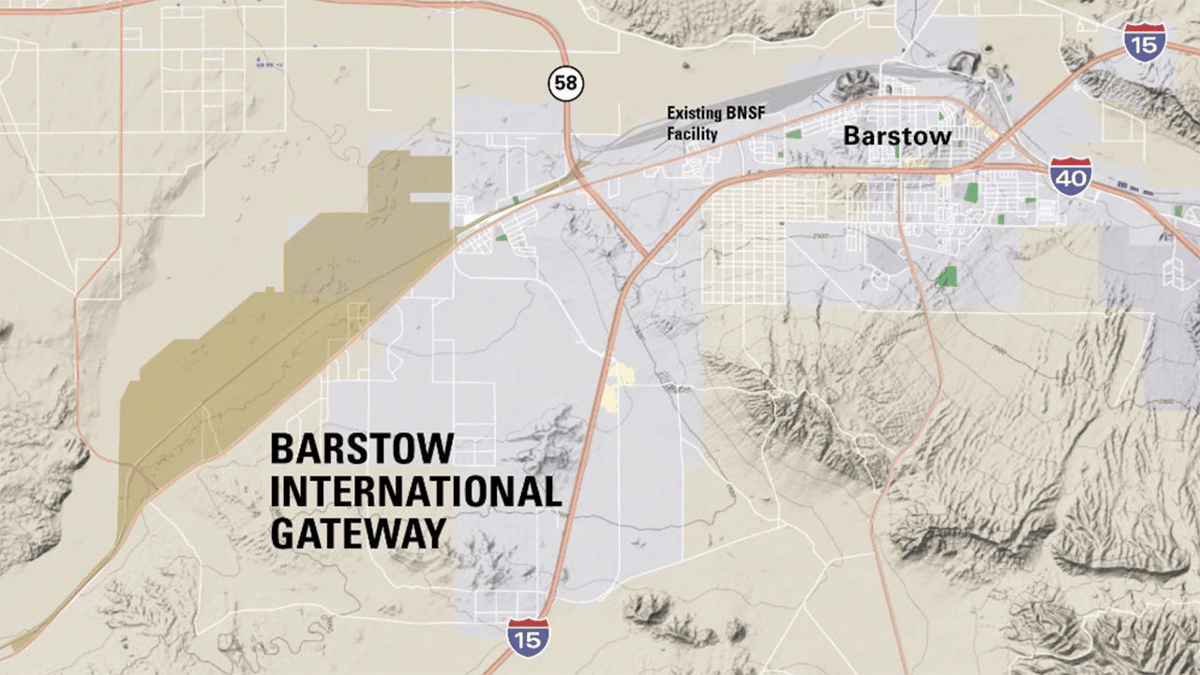
The Barstow International Gateway marks the first Class 1‑railroad‑owned, master‑planned intermodal complex in the United States. By situating a massive rail yard and transload warehouses just 130 miles from the Ports of Los Angeles and Long Beach, BNSF can pull containerized freight off the docks far earlier than traditional inland terminals. This proximity shortens dwell time, consolidates smaller container blocks into full‑train loads, and leverages the efficiency of rail—often cited as the most carbon‑intensive‑per‑ton‑mile mode of freight transport. The project’s $1.5 billion private investment underscores a broader industry shift toward rail‑centric logistics, especially as e‑commerce volumes and supply‑chain resilience become strategic priorities.
Beyond logistics, the gateway promises a substantial economic uplift for the High Desert region. BNSF projects 20,000 direct and indirect jobs, ranging from construction and equipment operation to long‑term warehousing and maintenance roles. These jobs are expected to diversify the local labor market, raise household incomes, and stimulate ancillary businesses such as hospitality, retail, and professional services. The infusion of private capital also relieves the state and local governments from financing burdens, allowing public funds to be redirected toward other infrastructure or community needs.
Environmental and congestion benefits are equally compelling. Shifting thousands of truck trips to rail reduces highway wear, cuts fuel consumption, and lowers greenhouse‑gas emissions—key metrics for California’s aggressive climate goals. The facility’s reliance on electric yard trucks and clean‑energy‑powered cargo handling further minimizes its carbon footprint. By easing pressure on the Los Angeles basin’s overtaxed freeways, the gateway can improve road safety and reduce maintenance costs, delivering tangible savings to taxpayers while enhancing the overall resilience of the nation’s supply chain.
BNSF’s BIG Milestone
Comments
Want to join the conversation?
Loading comments...