Burlington Bets on Ocean Contracts to Combat Elevated Freight Costs
Companies Mentioned
Why It Matters
The strategy shows how major retailers can protect margins by locking in long‑term rates and optimizing logistics, crucial as geopolitical events drive volatile transportation costs.
Key Takeaways
- •Burlington locked favorable ocean and domestic freight contracts through 2026.
- •Contracted rates aim to offset diesel‑driven freight cost increases.
- •Supply chain focus on cube utilization and shipment consolidation.
- •Peers Bob’s, Macy’s, and American Eagle also seek carrier partnerships.
- •Iran‑related Strait of Hormuz tensions pressure global fuel prices.
Pulse Analysis
Burlington Stores has turned long‑term carrier agreements into a defensive tool against the surge in transportation expenses that has plagued U.S. retailers this year. By locking in ocean and domestic freight rates for the next twelve months at what the CFO described as “favorable” levels, the company shields itself from volatile diesel prices and fuel surcharges that have risen sharply after the Iran‑Israel conflict disrupted oil flows through the Strait of Hormuz. The contracts, which extend through the first quarter of 2026, give Burlington a predictable cost base, allowing it to keep pricing competitive without eroding profit margins.
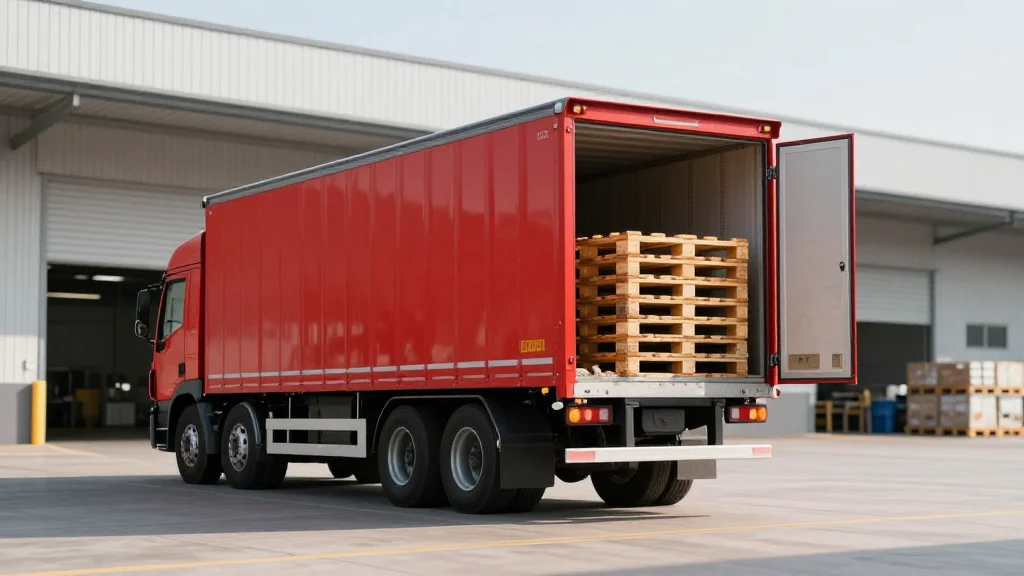
Contract pricing alone would not be enough if the retailer could not move product efficiently. Burlington’s supply‑chain team has therefore doubled down on cube utilization, loading pallets to near‑full capacity and consolidating shipments both inbound to its distribution hubs and outbound to stores. By maximizing space in trucks and containers, the company reduces the number of trips required, which translates into lower per‑unit freight costs even before the contracted rates take effect. This operational discipline also frees up dock time, improves inventory turnover, and strengthens the overall resiliency of its logistics network.
The move mirrors a broader trend among retailers confronting a perfect storm of higher fuel prices, capacity constraints, and geopolitical uncertainty. Bob’s Discount Furniture, Macy’s and American Eagle have all signaled similar negotiations with ocean carriers and a focus on cost‑effective routing. The ongoing conflict in the Middle East, which has choked the Strait of Hormuz—a chokepoint for roughly 20% of global oil shipments—keeps diesel benchmarks elevated and spot‑market freight rates volatile. For the retail sector, securing long‑term contracts and improving load efficiency are becoming essential levers to protect margins and sustain growth in an unpredictable cost environment.
Burlington bets on ocean contracts to combat elevated freight costs
Comments
Want to join the conversation?
Loading comments...