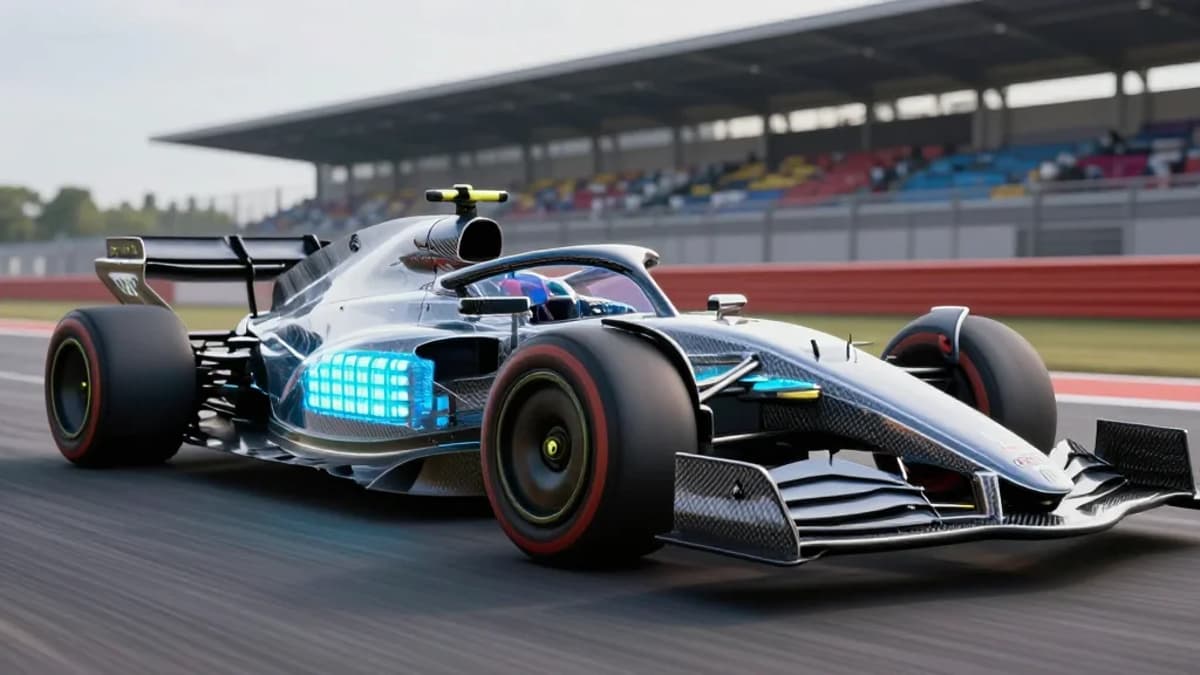
BYD Explores Formula 1 Entry as It Looks to Boost Global Brand
•March 10, 2026
0
Companies Mentioned
Why It Matters
An F1 presence would give BYD premium credibility in Western markets, accelerating its shift from volume‑driven EV maker to a high‑performance brand, while also showcasing Chinese electric‑powertrain technology on a global stage.
Key Takeaways
- •BYD leads global EV sales, overtook Tesla in 2025
- •Considering F1 entry via team acquisition, not greenfield build
- •Alpine identified as prime target despite Renault rejecting $1.2B bid
- •2026 F1 hybrid rules boost electric power, matching BYD tech
- •$500M annual cost feasible given BYD’s $100B revenue
Pulse Analysis
BYD has cemented its dominance in the electric‑vehicle market, shipping 2.25 million battery cars in 2025 and overtaking Tesla in global sales. Yet the company’s rapid volume growth has not automatically translated into premium brand perception, especially in Europe, Australia and North America where consumers still associate BYD with low‑cost transportation. To break through this image barrier, BYD is turning to motorsport, a proven platform for reshaping public opinion. A Formula 1 programme would place the brand alongside the world’s most recognized automotive names, delivering instant worldwide exposure far beyond traditional advertising.
The most realistic route for BYD is to acquire an existing F1 outfit rather than fund a greenfield team, which can demand upwards of $500 million per season and years of regulatory negotiations. Alpine emerges as a natural candidate: the Renault‑owned squad competes in both F1 and the World Endurance Championship, offering dual‑series visibility. Although Renault’s Luca de Meo dismissed a $1.2 billion offer, the prospect of a Chinese‑backed owner could still align with the team’s long‑term ambitions. By contrast, General Motors recently paid a $450 million fee to introduce Cadillac, underscoring the financial scale of such moves.
The 2026 F1 power‑unit overhaul, which raises the electric motor’s contribution to roughly half of total output, aligns perfectly with BYD’s core competencies in batteries, motors and power electronics. Participation would not only accelerate the automaker’s premium positioning but also showcase Chinese electric‑powertrain technology to a global audience, potentially spurring further adoption of sustainable fuels in motorsport. As other Chinese brands like Chery and Geely already explore endurance racing, BYD’s entry could signal a broader shift, expanding the sport’s commercial appeal in Asia and reinforcing the convergence of high‑performance racing and electrification.
BYD explores Formula 1 entry as it looks to boost global brand
0
Comments
Want to join the conversation?
Loading comments...