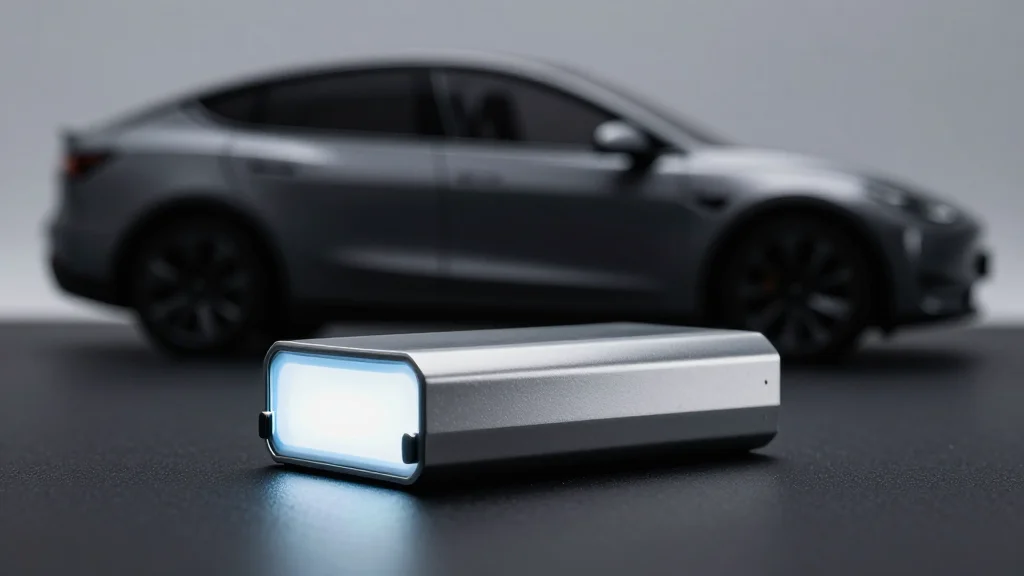
BYD Plans to Bring All-Solid-State Batteries to EVs by 2027, but It’s Not Alone
Companies Mentioned
Why It Matters
The near‑term rollout of solid‑state batteries could accelerate EV adoption by offering longer range, safer operation and quicker charging, giving Chinese manufacturers a strategic advantage in the global market.
Key Takeaways
- •BYD targets limited‑batch solid‑state battery production in 2027.
- •SAIC, Changan, Chery also aim for 2027 mass‑production rollout.
- •Energy density exceeds 400 Wh/kg, enabling >1,000 km range.
- •Sulfide electrolytes improve safety, cycle life, and fast‑charging capability.
- •High‑end sub‑brands will debut first, trickling down to mass market.
Pulse Analysis
The race to commercialize all‑solid‑state batteries has shifted from a distant research goal to an imminent product launch, with China leading the charge. BYD’s announcement to begin limited‑batch production in 2027 follows a series of breakthroughs across the country, from SAIC’s semi‑solid‑state MG4 to Changan’s Golden Bell prototype. By aligning its high‑end sub‑brands with the new technology, BYD aims to showcase the performance edge—higher energy density, extended range, and rapid charging—while still leveraging its proven LFP Blade Battery platform for mass‑market models.
Technically, solid‑state cells replace the volatile liquid electrolyte with a solid sulfide matrix, delivering energy densities above 400 Wh/kg. This translates to real‑world driving ranges exceeding 1,000 km on a single charge, a figure that rivals or surpasses many current lithium‑ion offerings. The solid electrolyte also mitigates fire risk and improves cycle life, addressing two of the most persistent consumer concerns. Faster charging rates, enabled by the stable solid interface, could cut recharge times to under 15 minutes for an 80% charge, reshaping the convenience calculus for EV owners and fleet operators alike.
Globally, the timing is critical. While Chinese manufacturers prepare for 2027 rollouts, Western players such as Mercedes are testing solid‑state cells from startups like Factorial Energy, but remain years away from volume production. If BYD and its peers achieve their 2027 targets, they could lock in a competitive lead, influencing supply chains, battery material markets, and the overall trajectory of EV adoption. Investors and policymakers will be watching closely as the industry moves from prototype validation to commercial scaling, a transition that could redefine the economics of electric mobility within the next decade.
BYD plans to bring all-solid-state batteries to EVs by 2027, but it’s not alone
Comments
Want to join the conversation?
Loading comments...