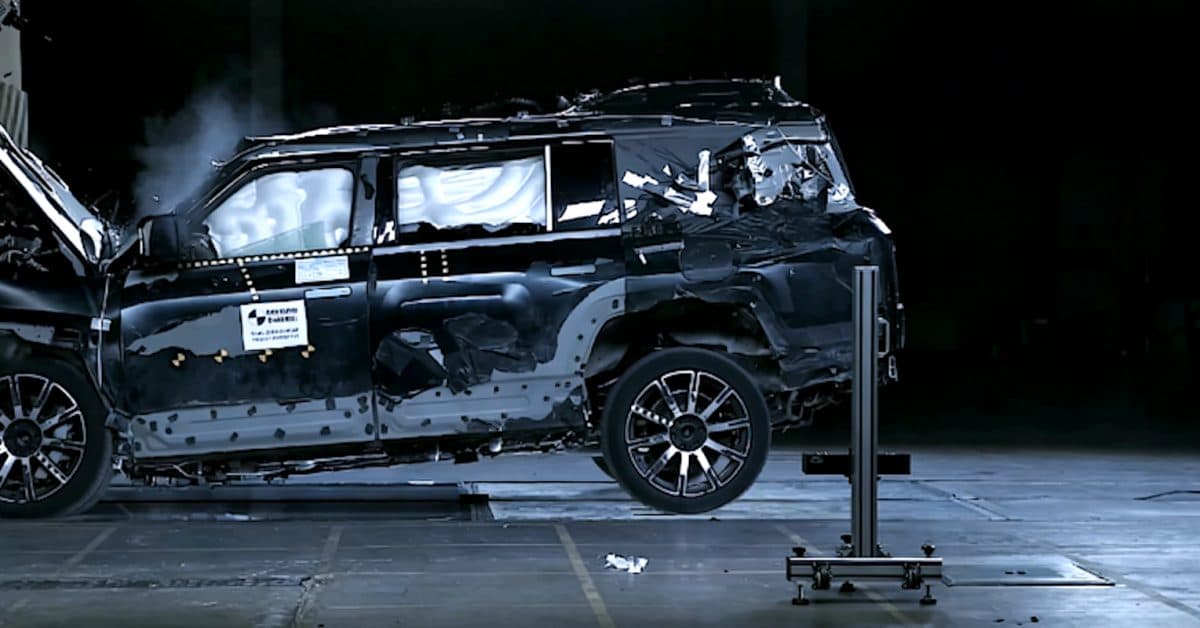
BYD Says Its Cast Aluminum Frame Is Lighter, Tougher, and Safer than Steel
Companies Mentioned
Why It Matters
Weight‑saving, high‑rigidity frames extend EV range and lower production complexity, giving BYD a competitive edge as the industry seeks safer, lighter alternatives to steel.
Key Takeaways
- •BYD's U8L frame is 56 kg lighter than comparable steel.
- •Parts reduced to 119; weld length down to 9 m.
- •Torsional rigidity improves over 50 % versus steel frames.
- •First EV to pass 12‑ton lift test with integrated aluminum frame.
- •Uses aerospace‑grade 6/7 series aluminum, boosting corrosion resistance.
Pulse Analysis
The automotive sector has long chased lighter structures to boost electric‑vehicle range, and BYD’s latest Yangwang U8L showcases a breakthrough in that quest. By adopting a low‑pressure casting technique—distinct from Tesla’s high‑speed Giga Press—the Chinese automaker leverages aerospace‑grade 6‑ and 7‑series aluminum. This method pushes molten metal slowly into molds, minimizing turbulence and voids, which yields a denser, stronger frame while slashing the number of components from 251 to 119. The result is a chassis that not only sheds 56 kg but also gains more than half the torsional stiffness of traditional steel platforms.
Beyond the raw weight savings, the new casting process reshapes manufacturing economics. Consolidating 67 rear‑frame parts into a single casting cuts weld length from roughly 100 meters to just 9 meters, reducing potential fatigue points and streamlining assembly lines. The aluminum’s inherent corrosion resistance further lowers long‑term maintenance costs, an attractive proposition for fleet operators and consumers alike. For an SUV of the U8L’s size, the lighter yet sturdier frame translates directly into longer driving ranges per charge and improved handling dynamics, addressing two of the most critical consumer expectations for EVs.
Industry observers see BYD’s move as a signal that aluminum could soon rival steel in mass‑market EV production. The partnership with Hangte brings aerospace casting expertise into automotive factories, potentially lowering barriers for other manufacturers to adopt similar techniques. If the cost differential narrows, we may witness a broader shift toward integrated aluminum frames, accelerating the transition to higher‑efficiency, safer electric vehicles while reshaping supply chains for raw materials and casting equipment. BYD’s success thus positions it not only as a sales leader but also as a technological pioneer shaping the next generation of EV architecture.
BYD says its cast aluminum frame is lighter, tougher, and safer than steel
Comments
Want to join the conversation?
Loading comments...