BYD’s New Magnetic EV Device Lets You Control Your Car on the Go
Companies Mentioned
Why It Matters
The device simplifies user interaction and reinforces BYD’s competitive edge in the premium EV segment, where seamless connectivity is becoming a key differentiator. It also showcases BYD’s broader strategy to own both vehicle hardware and the software layer that drives future revenue streams.
Key Takeaways
- •Flexible Buttons attach magnetically, offering one‑button control of key vehicle functions
- •Great Tang SUV launches with the device on June 17, 2026
- •Over 100,000 pre‑orders signal strong market appetite for BYD’s premium EV
- •BYD’s 4 nm driving chip underpins L3/L4 autonomous capabilities
Pulse Analysis
BYD’s introduction of the magnetic "Flexible Buttons" marks a notable shift toward tactile, on‑the‑go vehicle interfaces. While most manufacturers rely on smartphone apps for remote functions, BYD’s approach mimics Apple’s MagSafe concept, allowing drivers to detach a small hardware module and still command climate, audio, and infotainment systems via Bluetooth. This hardware‑first strategy reduces reliance on phone connectivity, potentially improving reliability in areas with spotty cellular coverage and appealing to users who prefer a dedicated, always‑ready control surface.
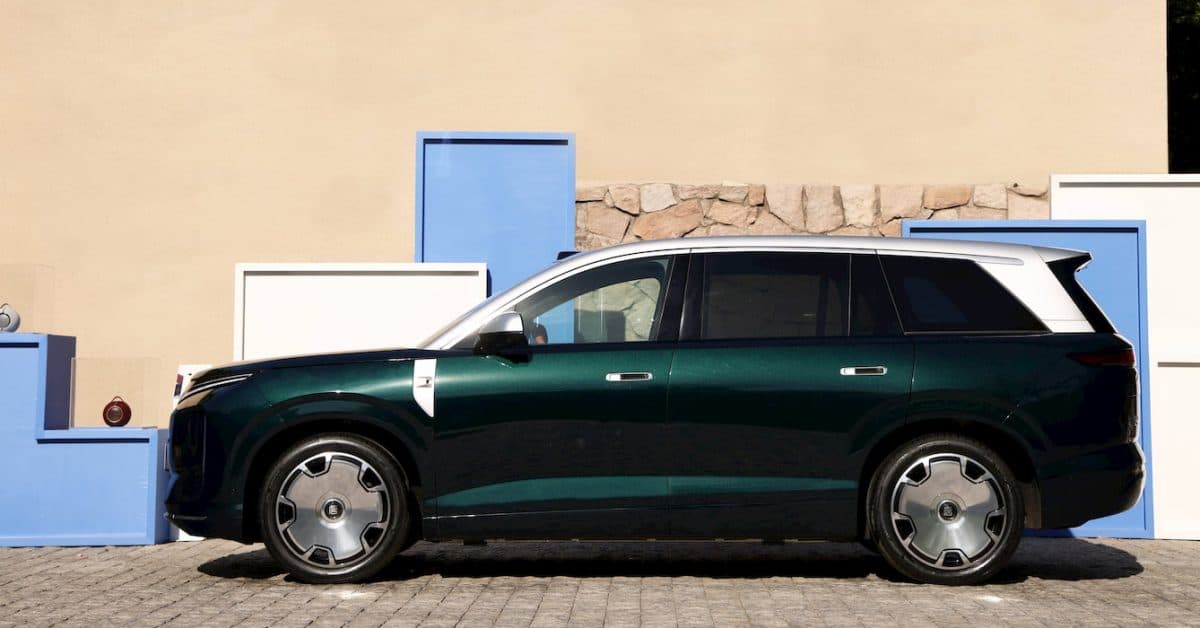
The timing aligns with the launch of BYD’s Great Tang SUV, a flagship model that already boasts a 590‑mile range, fast‑charging capability, and a unique 2+2+3 seating layout. By bundling the new device with the vehicle, BYD not only differentiates the Tang from rivals like the Hyundai IONIQ 9 and Kia EV9 but also reinforces its ecosystem narrative—where battery, drivetrain, and now user‑experience hardware are all produced in‑house. This vertical integration could translate into higher margins and tighter control over software updates, a growing revenue source in the EV market.
Industry analysts view BYD’s move as part of a broader trend where automakers are embedding proprietary smart accessories to lock customers into brand‑specific platforms. The company’s recent unveiling of a 4 nm smart driving chip, capable of L3/L4 autonomy, further underscores its ambition to dominate both the hardware and AI layers of future vehicles. As consumers increasingly expect seamless, app‑free interactions, BYD’s magnetic controller may set a new benchmark, prompting competitors to explore similar tactile solutions or to double down on integrated software ecosystems.
BYD’s new magnetic EV device lets you control your car on the go
Comments
Want to join the conversation?
Loading comments...