Can China’s EV Surge Conquer Overseas Markets?

Why It Matters
Exporting Chinese EVs could reshape global automotive competition, offering manufacturers higher margins while challenging incumbent brands in Europe and potentially the U.S. if trade barriers ease.
Key Takeaways
- •China exported 5.8 million cars in 2023, up 20% YoY
- •Aito targets 1 million annual sales by 2030, 20% overseas
- •Xpeng aims for >50% revenue from abroad within 5‑10 years
- •European tariffs remain, but Chinese EVs stay price‑competitive
- •US tariffs near 100% keep Chinese cars largely out of market
Pulse Analysis
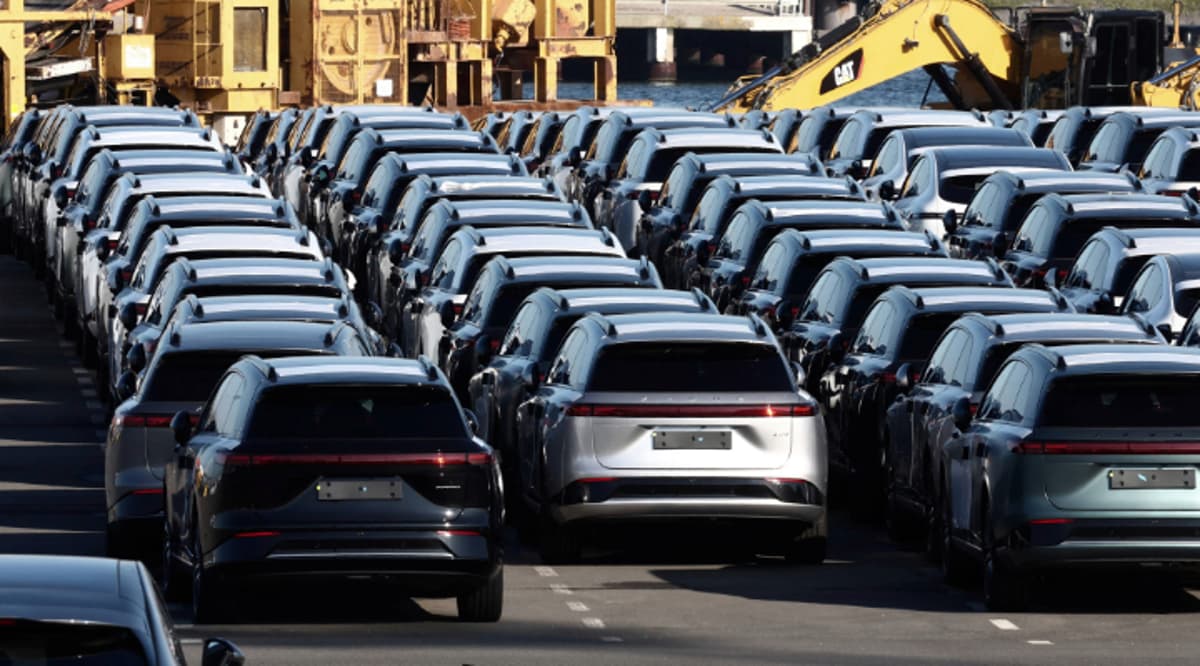
China’s electric‑vehicle makers are leveraging a domestic sales contraction to accelerate overseas expansion. After an 18% drop in first‑quarter sales, manufacturers faced a growing inventory of EVs that could not be absorbed at home. Export volumes already jumped 20% last year, reaching 5.8 million vehicles, and industry forecasts anticipate a further rise to 7.4 million units in 2024. This surge is driven by firms like Aito, backed by Huawei, which plans to double its output to one million units by 2030 and push overseas sales to 20% of its total, as well as Xpeng, which sees more than half of its future revenue coming from non‑Chinese markets.
The path to foreign markets is not without hurdles. In Europe, Chinese EVs face a 10%‑15% tariff, yet their lower production costs allow them to remain price‑competitive against established brands. In the United States, tariffs approach 100%, effectively barring Chinese cars and prompting political calls for stricter import limits. Brand recognition and consumer perception also lag, as most Chinese automakers are still unknown to Western buyers. Nonetheless, the rapid improvement in vehicle quality, range, and technology—bolstered by partnerships with tech giants—helps narrow the credibility gap.
Looking ahead, China’s EV export strategy could reshape global automotive dynamics. The push into Europe and Southeast Asia offers higher margins and diversifies revenue streams, while ambitious projects like Xpeng’s flying‑car prototypes and humanoid robots signal a broader ambition to dominate next‑generation mobility. If trade tensions ease and Chinese firms continue to refine their offerings, they could capture a sizable share of the global EV market, pressuring incumbents and accelerating the worldwide transition to electric transportation.
Can China’s EV surge conquer overseas markets?
Comments
Want to join the conversation?
Loading comments...