Canada’s Push to Rebuild Ties with China Hits a Snag: A Lack of Direct Flights
Companies Mentioned
Why It Matters
Re‑establishing air links could unlock a multi‑billion‑dollar tourism boost for Canada, while airline profitability hinges on managing fuel costs and routing constraints.
Key Takeaways
- •Canada permits more passenger flights and up to 20 cargo flights weekly
- •Chinese tourist bookings to Canada have doubled YoY after visa‑free entry
- •Lack of Russian airspace forces longer routes, raising costs for Canadian airlines
- •Jet fuel above $179/barrel pressures airlines to limit new China routes
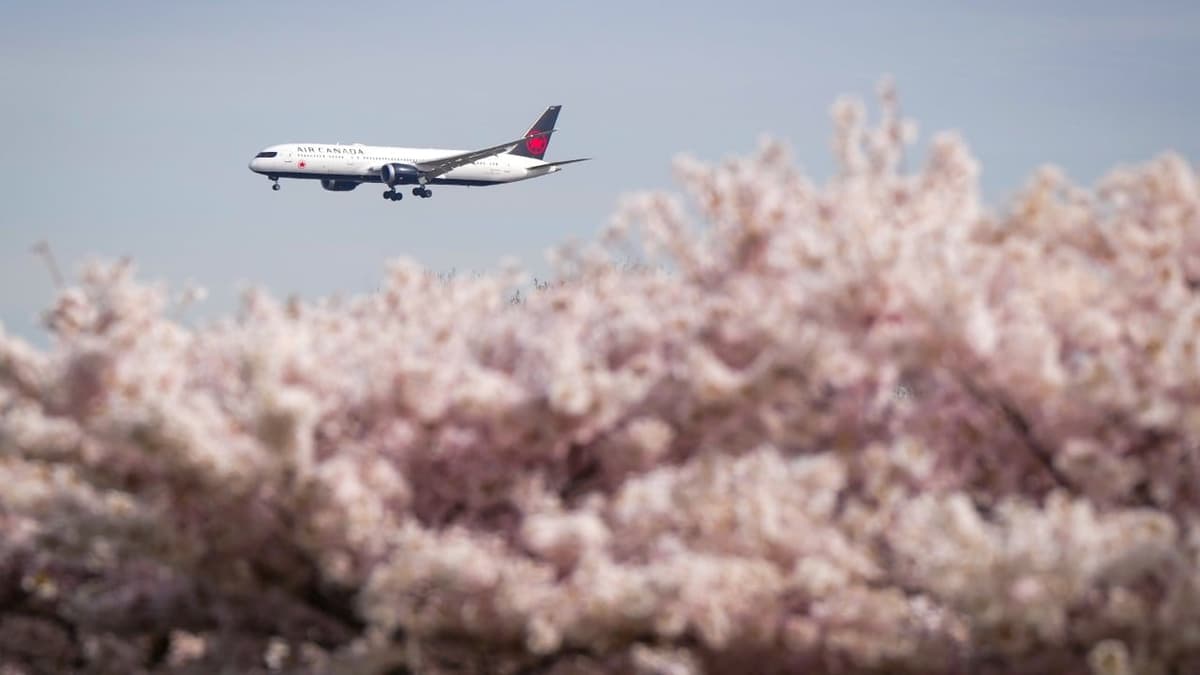
- •Air Canada plans 18 weekly flights to Beijing and Shanghai this summer
Pulse Analysis
Canada’s renewed push to expand direct air connections with China reflects a strategic bet on tourism as a growth engine. After Beijing lifted visa‑free entry for Canadians, Chinese travel agencies reported a more than two‑fold increase in bookings to major Canadian cities. The influx of high‑spending visitors promises to revitalize sectors ranging from hospitality to retail, potentially adding several hundred million dollars to Canada’s GDP. However, the upside depends on airlines’ willingness to commit capacity amid a volatile cost environment.
Airlines are caught between rising demand and mounting operational challenges. Jet fuel prices have surged past $179 per barrel, eroding margins on long‑haul routes. Compounding the issue, Western carriers are barred from Russian airspace, forcing them to take longer, fuel‑intensive detours to reach Chinese destinations. Chinese airlines, unencumbered by such restrictions, can offer lower fares and more frequent services, putting Canadian carriers at a competitive disadvantage. These dynamics make airlines cautious about fully utilizing their newly granted flight quotas.
Air Canada’s announcement of 18 weekly flights to Beijing and Shanghai signals a tentative step forward, yet the broader rollout remains tentative. Industry analysts warn that without a resolution to the airspace blockage and a stabilization of fuel costs, additional routes may stall. Policymakers could consider diplomatic avenues to regain Russian corridor access or negotiate fuel‑tax relief to incentivize carriers. For investors and tourism operators, monitoring these regulatory and cost factors will be crucial to gauge the true economic impact of Canada’s re‑engagement with the Chinese market.
Canada’s push to rebuild ties with China hits a snag: a lack of direct flights
Comments
Want to join the conversation?
Loading comments...