Cheaper EVs Are Finally Entering the Local Market, but Will South Africans Bite?
Companies Mentioned
Why It Matters
Affordable EVs could accelerate South Africa’s shift away from costly ICE cars, expanding the market and supporting climate goals. The trend also pressures premium brands to rethink pricing and local strategies.
Key Takeaways
- •BYD sold 316 EVs in March, setting new SA record.
- •Three Chinese models now priced below R400k (~$21k).
- •Mini remains most expensive mainstream EV at R800k (~$42k).
- •Fuel price spikes may boost EV demand, but sustainability uncertain.
- •Dongfeng’s limited dealer network restricts its market penetration.
Pulse Analysis
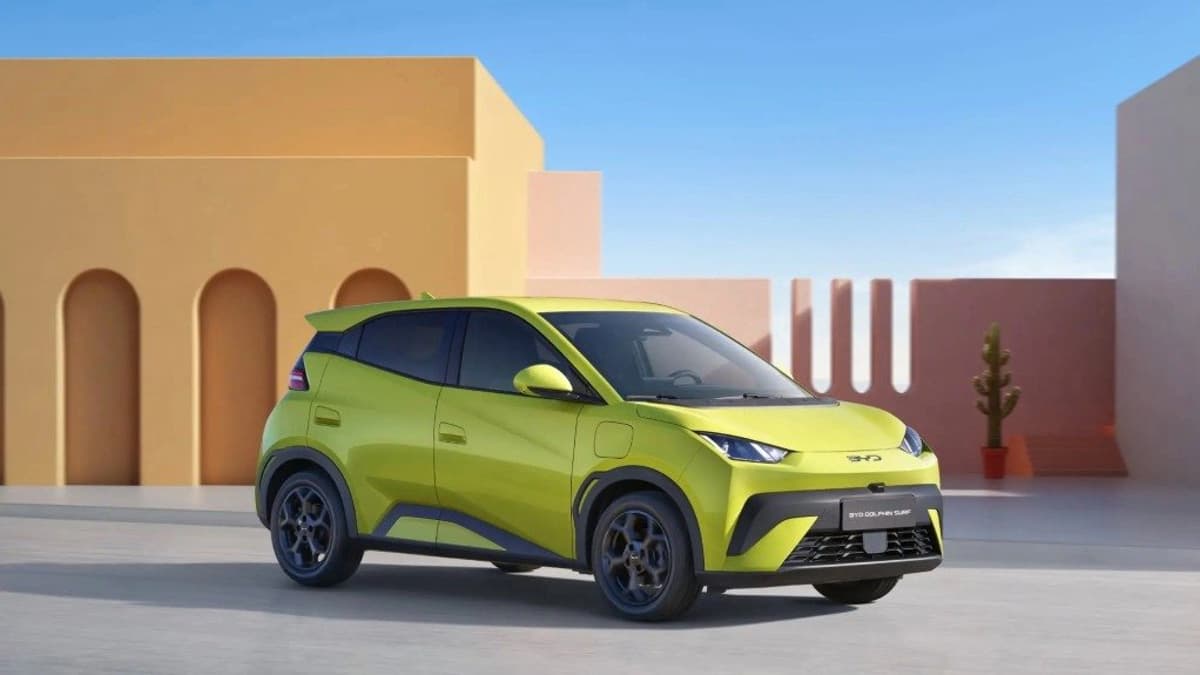
The South African auto market has long been hamstrung by high vehicle prices, with most electric models topping R800,000 (about $42,000). Recent introductions from Chinese firms—BYD’s Dolphin Surf at R341,900 (~$18,000), Geely E2 at R339,900 (~$18,000), and Dongfeng’s Box E1 at R459,000 (~$24,000)—have shattered that ceiling, offering ranges of 295‑430 km and rapid‑charge capabilities. By aligning price points with the average household income, these models make EV ownership a realistic proposition, especially as fuel costs surged amid the Iran‑US conflict.
March data from NAAMSA, now including BYD’s voluntarily reported figures, shows 389 EVs sold, a new monthly high, with BYD alone accounting for 316 units. The inclusion of Chinese sales reshapes the market landscape that previously highlighted Volvo and Mini as volume leaders. While Mini’s Aceman still commands an R800,000 price tag, its market share is eroding as budget‑friendly alternatives gain traction. The rapid reporting shift also underscores the growing transparency and competitiveness of the sector, prompting legacy brands to reassess pricing and product strategies.
Looking ahead, consumer uptake will hinge on more than price. South Africa’s charging infrastructure remains uneven, and dealer networks for newcomers like Dongfeng are sparse, limiting reach. However, the pending launch of Chery’s Q model—another sub‑R400k offering—suggests a wave of affordable EVs is imminent. Policymakers may respond with incentives or stricter emissions standards, further nudging buyers toward electric mobility. If fuel prices normalize, the market’s momentum will depend on sustained affordability, reliable after‑sales support, and the ability of these entrants to scale distribution across the country.
Cheaper EVs are finally entering the local market, but will South Africans bite?
Comments
Want to join the conversation?
Loading comments...