China Orders Maritime Security Research as Strait of Hormuz Crisis Exposes Trade Risks
Why It Matters
By institutionalising research on chokepoint disruptions and overseas asset risks, China aims to protect its energy imports and global supply chains, limiting spill‑over effects on worldwide markets.
Key Takeaways
- •Sasac announced 30 research projects; four focus on maritime security
- •COSCO partners with Shanghai Jiao Tong to map chokepoint impacts
- •Northern Sea Route could cut Asia‑Europe voyages by ~40%
- •China eyes risk assessment of overseas lithium and mineral assets
Pulse Analysis
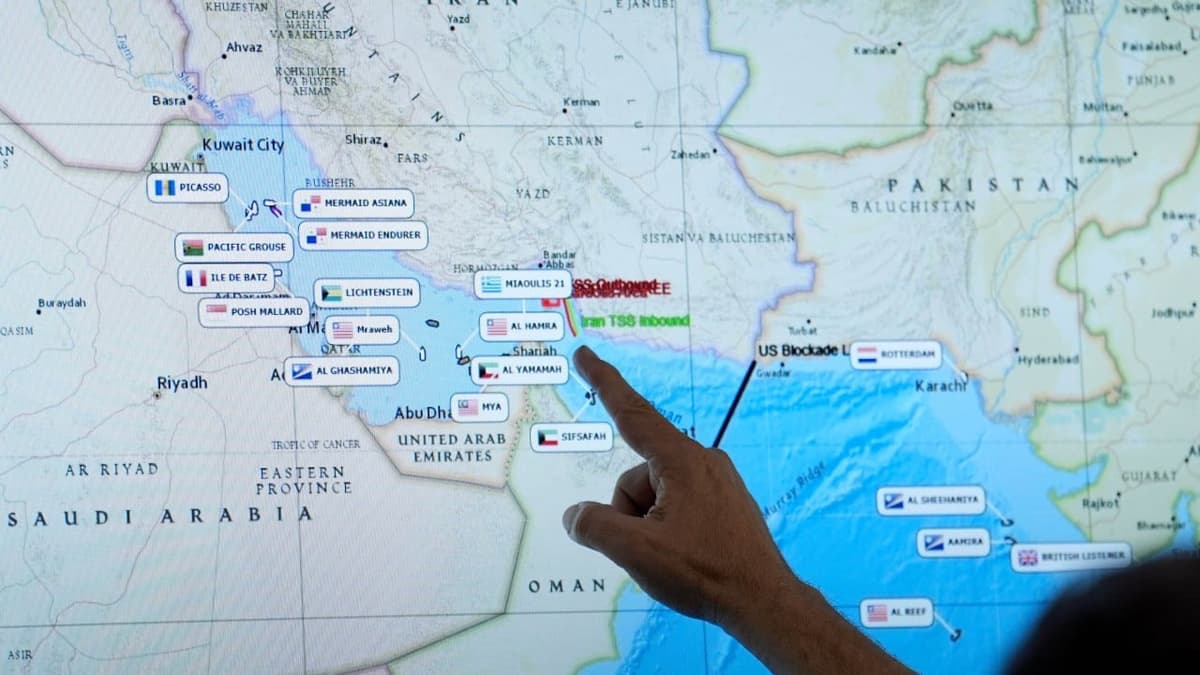
The sudden closure of the Strait of Hormuz has sent shockwaves through global energy markets, halting roughly one‑fifth of oil and gas shipments. For China, which relies on a diversified mix of overseas oil, gas and renewable inputs, the disruption underscored the fragility of a single maritime artery. While its strategic petroleum reserves and green‑energy push have softened the immediate impact, prolonged blockage would pressure import costs, downstream manufacturing and even the broader Belt and Road logistics network.
In response, Sasac’s new research agenda mobilises state‑owned enterprises and elite universities to build a data‑driven playbook for maritime resilience. COSCO’s collaboration with Shanghai Jiao Tong University will model how chokepoint bottlenecks ripple through Chinese supply chains, while PetroChina and Tsinghua examine the role of state firms in safeguarding national energy security. A parallel focus on overseas mineral assets reflects growing U.S. and partner‑led efforts to de‑risk critical‑material supply chains, prompting Beijing to assess its lithium and battery‑grade metal holdings for geopolitical exposure.
Beyond research, China is accelerating alternative corridors to dilute chokepoint risk. The Northern Sea Route, now gaining traction thanks to melting Arctic ice, promises up to a 40% reduction in travel time between Asia and Europe, offering a viable bypass for container and bulk carriers. Simultaneously, Beijing is lobbying against the Panama port seizures that threaten its port‑investment portfolio. Together, these moves illustrate a strategic pivot: diversifying routes, fortifying overseas assets, and embedding risk analytics into state‑owned enterprises to ensure that future geopolitical turbulence does not derail China’s trade lifelines.
China orders maritime security research as Strait of Hormuz crisis exposes trade risks
Comments
Want to join the conversation?
Loading comments...