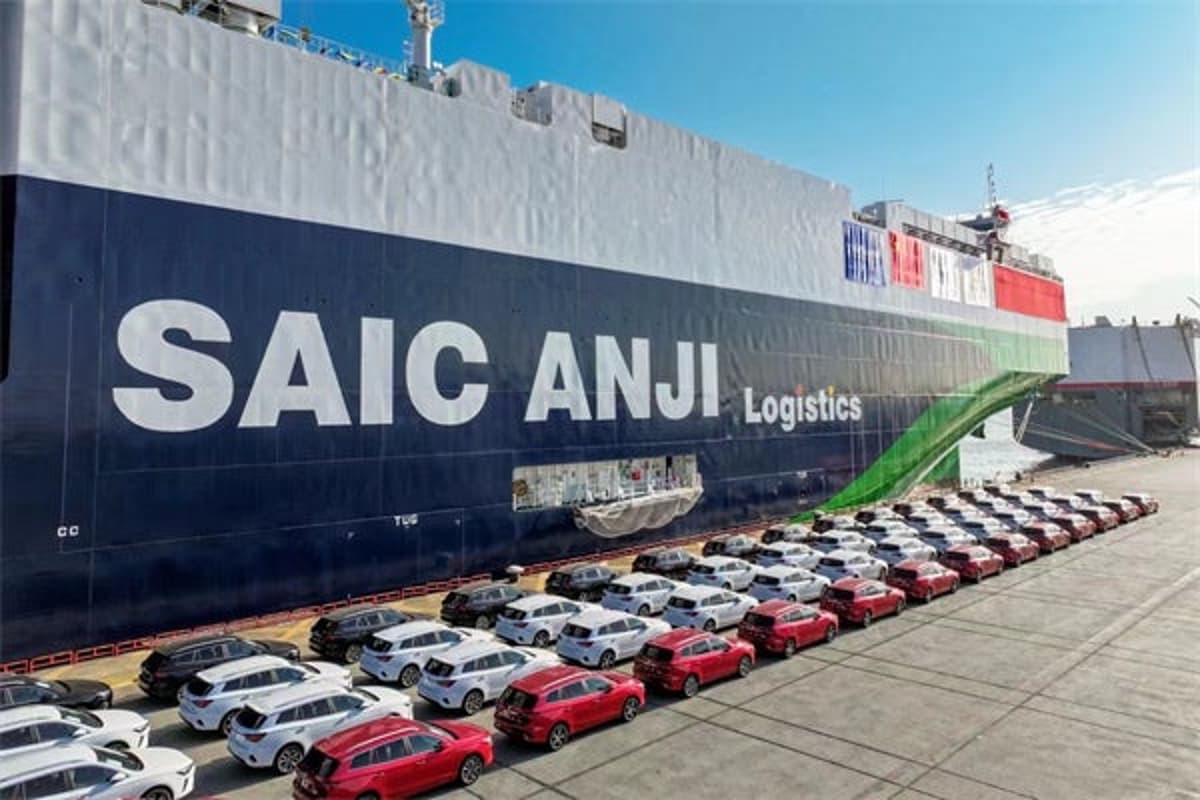
China Overtakes Japan as the Largest Vehicle Exporter to Australia
Companies Mentioned
Why It Matters
The shift signals accelerating Australian demand for affordable electric vehicles and reshapes regional supply dynamics, challenging Japan’s long‑standing dominance.
Key Takeaways
- •China exported 36,000 vehicles to Australia in April, topping Japan.
- •Chinese BEV imports rose 51% to over 100,000 units Jan‑Apr 2026.
- •BYD became Australia’s second‑largest brand, trailing Toyota.
- •Rising fuel prices boost demand for electric and fuel‑efficient cars.
Pulse Analysis
Australia’s automotive import landscape is being reshaped by a confluence of macro‑economic pressures and consumer preferences. The spike in global fuel prices, driven largely by Middle‑East tensions, has heightened sensitivity to fuel efficiency and accelerated interest in battery‑electric and hybrid models. Historically, Japanese manufacturers have dominated the market, leveraging a reputation for reliability and an extensive dealer network. However, the recent data from the Australian government and the Federal Chamber of Automotive Industries reveal a rapid erosion of that foothold as Chinese manufacturers capitalize on price competitiveness and expanding distribution channels.
Chinese vehicle shipments to Australia surged dramatically in 2026, with April alone accounting for 36,000 built‑up units—enough to overtake Japan’s 29,000 imports that month. Over the first four months, total Chinese imports climbed 51% to exceed 100,000 vehicles, of which more than 40,000 were battery‑electric. Brands such as BYD, Great Wall Motors, Chery and MG have broadened their retail footprints, offering models that undercut traditional Japanese pricing while meeting the growing appetite for low‑emission cars. BYD’s ascent to the second‑largest brand, just behind Toyota, underscores the shift toward Chinese technology.
The realignment has strategic implications for both incumbents and newcomers. Japanese automakers may intensify collaborations with regional hubs such as Thailand to preserve market share, especially in the pickup segment where they retain a niche advantage. Meanwhile, Chinese firms are likely to deepen local partnerships, invest in charging infrastructure, and tailor models to Australian regulations, further entrenching their foothold. Analysts predict that if fuel price volatility persists, Chinese electric vehicle penetration could reach 30% of total imports by 2028, reshaping supply chains across the Asia‑Pacific.
China overtakes Japan as the largest vehicle exporter to Australia
Comments
Want to join the conversation?
Loading comments...