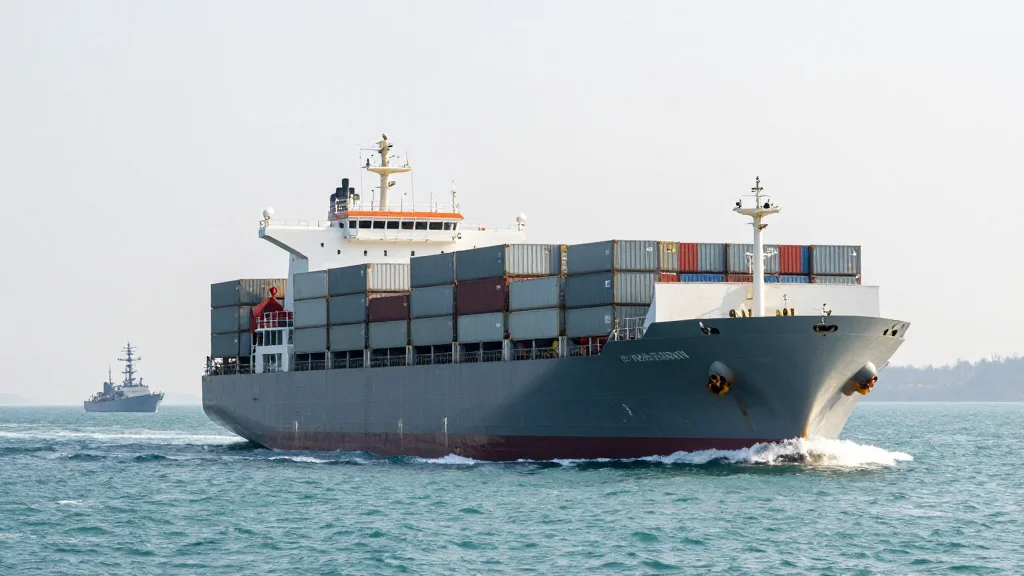
China Voices Concern over US Seizure of Iranian Cargo Ship, Urges Further Talks
Why It Matters
The incident heightens U.S.-China strategic friction and threatens the stability of a critical global shipping lane, potentially disrupting energy flows and trade.
Key Takeaways
- •China condemns U.S. seizure of Iranian ship Touska
- •U.S. fired on vessel attempting to breach blockade
- •Iran vows retaliation, calls action armed piracy
- •Beijing urges cease‑fire compliance and resumed Strait transit
Pulse Analysis
The north Arabian Sea has become a flashpoint as the United States escalated its enforcement of a naval blockade around Iranian ports, firing on and seizing the Iranian‑flagged cargo ship Touska. The move reflects Washington’s broader strategy to pressure Tehran over its regional activities, but it also raises legal and safety concerns for commercial traffic that relies on the Strait of Hormuz, one of the world’s most vital oil conduits. By targeting a vessel reportedly en route from China, the U.S. action has drawn Beijing into the dispute, underscoring how maritime security incidents can quickly acquire geopolitical dimensions.
China’s response, articulated by foreign‑ministry spokesman Guo Jiakun, frames the seizure as a "forced interception" and calls for adherence to the existing cease‑fire agreement that has moderated hostilities between Iran and its regional adversaries. The Chinese stance aligns with its broader diplomatic goal of positioning itself as a stabilizing voice in Middle‑East tensions while safeguarding its own trade interests. As a major importer of Iranian oil and a key player in global shipping, Beijing’s urging for a return to normal transit signals both economic self‑interest and a subtle challenge to U.S. unilateral actions in the region.
The episode could reverberate through international markets, especially if Iran follows through on its threat of retaliation. A further escalation might prompt additional naval deployments, insurance premium spikes, and rerouting of vessels, all of which would increase freight costs and affect energy prices worldwide. Diplomatically, the incident offers a window for renewed dialogue among the United States, China, and Iran, where a coordinated approach to maritime security could mitigate the risk of a broader confrontation and preserve the free flow of commerce through the Hormuz corridor.
China voices concern over US seizure of Iranian cargo ship, urges further talks
Comments
Want to join the conversation?
Loading comments...