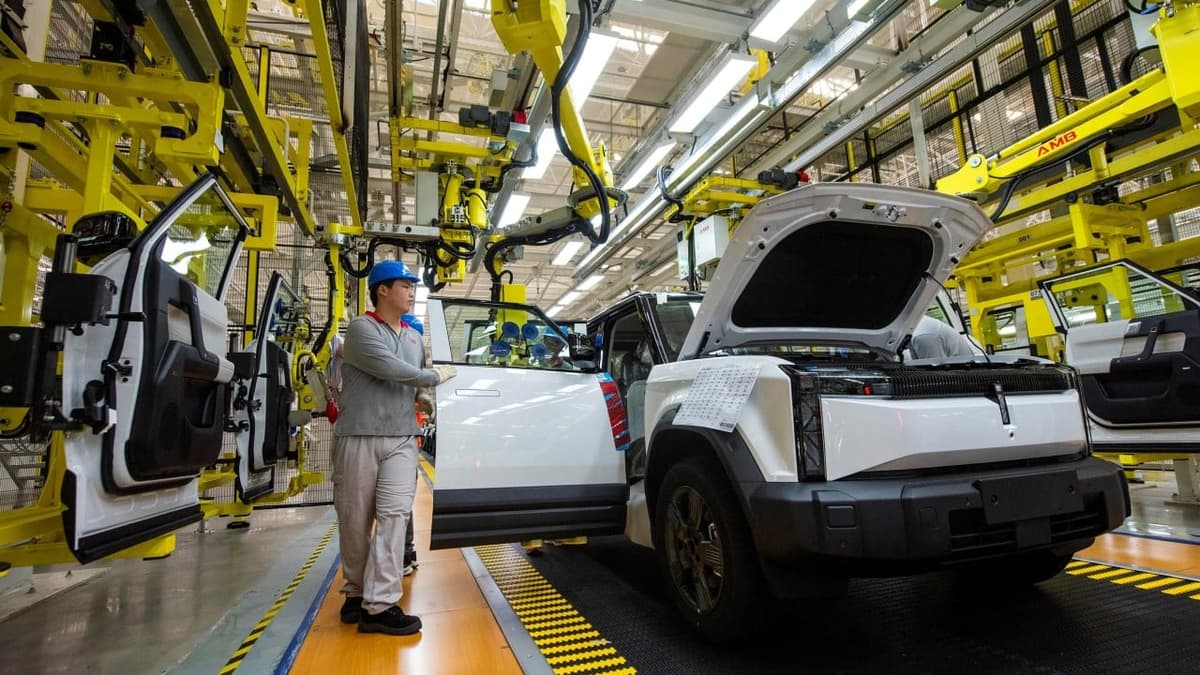
China’s Move to Cut EV Payment Cycles May Push Weaker Carmakers Out: S&P
Companies Mentioned
Why It Matters
The policy accelerates consolidation in the world’s largest EV market, reshaping supply chains and investment risk for global automotive stakeholders.
Key Takeaways
- •Beijing mandates faster supplier payments, cutting cycles from 300 to ~50 days
- •S&P warns weaker, highly leveraged Chinese carmakers may exit or be acquired
- •Larger EV firms with strong balance sheets expected to capture market share
- •Industry price wars expected to ease, but raw material cost inflation persists
Pulse Analysis
China’s new directive to compress payment cycles reflects a broader effort to curb the destructive price wars that have plagued its electric‑vehicle sector. For years, many manufacturers stretched payables beyond 200 days to preserve cash for R&D and aggressive discounting. By tightening terms to roughly 50 days, regulators aim to improve supplier liquidity and force automakers to fund operations through healthier working‑capital practices rather than deferred payments. This shift is already tightening financing conditions for firms that rely heavily on short‑term borrowing to sustain inventory and production.
S&P Global Ratings interprets the policy as a catalyst for market consolidation. Companies with high leverage and thin margins are now facing a cash crunch that could trigger defaults, acquisitions, or outright exits. Conversely, larger players such as BYD, SAIC and Geely, which maintain robust balance sheets and diversified product lines, are positioned to absorb weaker rivals and expand their share of the rapidly growing EV demand. The expected easing of price wars should also temper the recent modest price hikes driven by raw‑material inflation, allowing stronger firms to focus on value‑added features rather than competing solely on cost.
The ripple effects extend beyond China’s borders. Global supply chains—battery producers, component suppliers, and logistics firms—will feel the impact of a leaner, more disciplined Chinese auto sector. Investors should reassess exposure to debt‑laden Chinese EV startups while scouting opportunities in well‑capitalized manufacturers that stand to benefit from a less fragmented market. In the medium term, the policy may stabilize pricing, improve profitability, and reinforce China’s role as a pivotal hub for electric‑vehicle innovation and production.
China’s move to cut EV payment cycles may push weaker carmakers out: S&P
Comments
Want to join the conversation?
Loading comments...