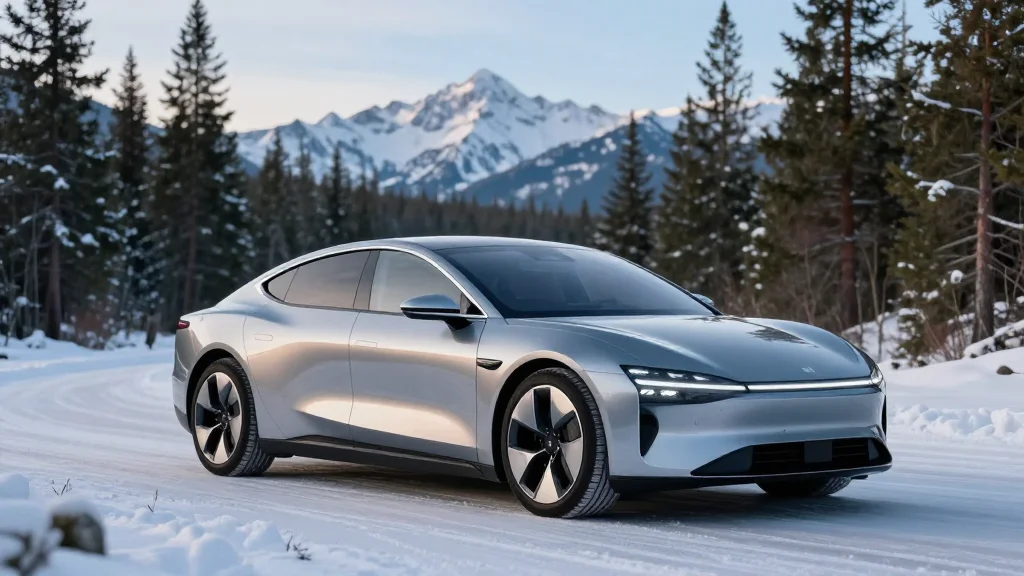
Chinese EVs Are Landing In Canada. Over Half Of Canadians Would Buy One
Companies Mentioned
Why It Matters
The tariff reduction opens a new, price‑competitive segment in the Canadian EV market, challenging incumbent manufacturers and accelerating adoption of electric mobility. It also provides Chinese automakers a foothold in North America that could later influence U.S. market dynamics.
Key Takeaways
- •Over 50% of Canadians would consider a Chinese‑made car
- •67% are familiar with Chinese auto brands, up from previous years
- •Reduced tariffs to 6.1% enable Chinese EVs to enter Canada
- •Canadians prioritize price, range, and value over luxury features
- •Chinese EV rollout may serve as US market proxy
Pulse Analysis
The Canadian government's decision to cut import duties on Chinese automobiles from a punitive 100% to a modest 6.1% has fundamentally altered the market calculus for EV manufacturers. With tariffs now comparable to those faced by European and Korean rivals, Chinese firms such as Chery are accelerating dealership setups, shipping certification‑ready EVs and plug‑in hybrids, and preparing for a commercial launch later in 2026. This policy shift not only lowers the sticker price barrier but also signals Canada’s willingness to diversify its automotive supply chain beyond traditional North‑American players.
Consumer sentiment, captured in AutoPacific's survey of 1,800 Canadians planning a new‑car purchase within three years, underscores the market’s openness. Sixty‑seven percent of respondents say they are very or somewhat familiar with Chinese brands, and 55 percent would consider buying one if available. Price, perceived quality and overall value dominate the decision matrix, while luxury features and cutting‑edge tech rank lower. Compared with a similar U.S. study, Canadian buyers are six points more likely to opt for an EV, reflecting a stronger appetite for electric powertrains and a pragmatic approach to cost and driving range.
The implications for the broader EV ecosystem are significant. Chinese entrants bring a reputation for delivering high‑spec vehicles at lower price points, potentially compressing margins for incumbents like Tesla, GM and Ford. Their presence also offers Canadian consumers a wider array of affordable EV choices, which could accelerate fleet electrification and support national climate goals. Moreover, Canada may act as a testing ground for Chinese manufacturers eyeing the U.S. market, especially if trade barriers ease. Stakeholders should monitor pricing strategies, supply‑chain logistics, and consumer adoption rates as these newcomers reshape North‑American electric mobility.
Chinese EVs Are Landing In Canada. Over Half Of Canadians Would Buy One
Comments
Want to join the conversation?
Loading comments...