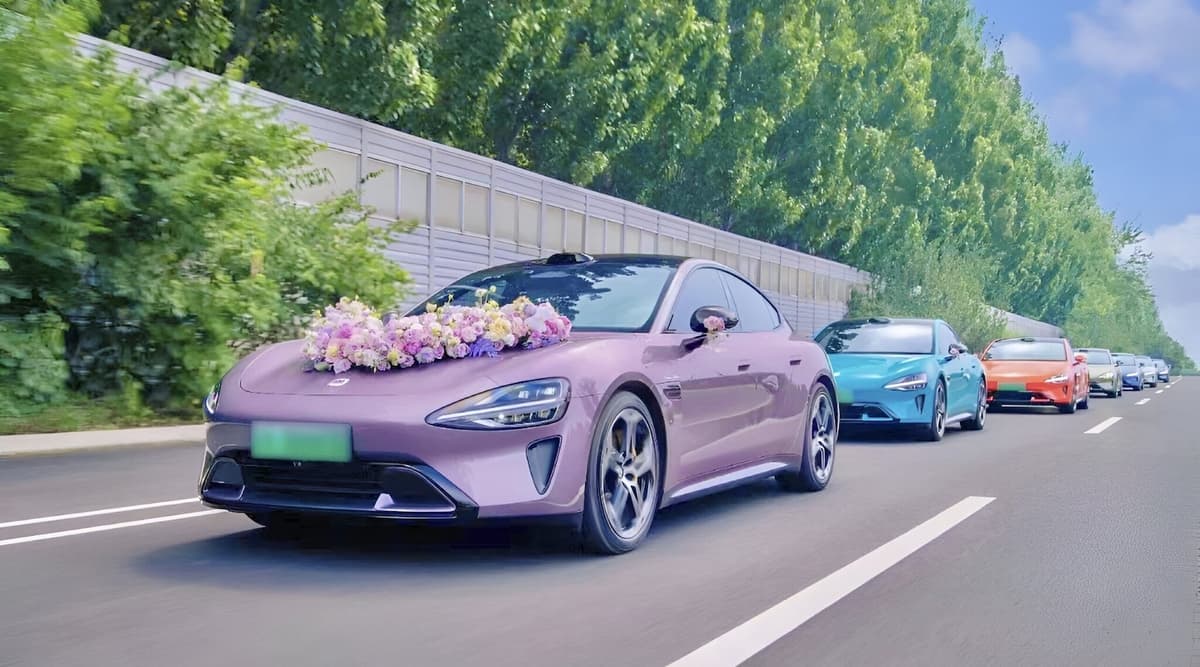
Chinese EVs & The US Market — Where Is This Going?
Companies Mentioned
Why It Matters
Chinese EVs could pressure U.S. automakers to accelerate affordable model development and force policymakers to reassess import restrictions, reshaping the North American automotive landscape.
Key Takeaways
- •Chinese EVs are gaining traction in multiple global markets
- •U.S. consumers see Chinese EVs as cheaper, higher‑spec alternatives
- •Industry insiders cite Ford’s lag behind Chinese competitors
- •Import barriers may intensify as demand for Chinese models grows
Pulse Analysis
The surge of Chinese electric‑vehicle manufacturers reflects a strategic shift from domestic dominance to global export ambitions. Companies like BYD, XPeng, and Xiaomi are leveraging lower production costs and rapid innovation cycles to produce vehicles that undercut traditional U.S. pricing while offering comparable range and technology. This trend is already evident in markets such as Australia and Europe, where Chinese models have captured notable market share, signaling that price‑sensitive consumers are willing to trade brand familiarity for value.
In the United States, the conversation is moving from curiosity to urgency. Recent anecdotes—ranging from a Texas landscaper admiring a Changan pickup to a Wall Street Journal columnist preferring a Xiaomi SUV—underscore a growing perception that American EV offerings are overpriced and technologically lagging. As Chinese firms eye the lucrative U.S. market, they face a complex web of tariffs, safety standards, and political resistance. Yet the pressure from consumers demanding affordable, high‑spec EVs could compel policymakers to reconsider restrictive import policies, especially if domestic manufacturers fail to deliver competitive alternatives.
The broader implications extend beyond pricing. If Chinese EVs enter the U.S. in significant volumes, they could accelerate the overall adoption of electric mobility, pressuring legacy automakers to innovate faster and potentially reshaping supply chains for batteries and components. Moreover, increased competition may drive down costs across the industry, benefiting consumers and advancing climate goals. Stakeholders—from investors to regulators—must monitor how trade negotiations, certification processes, and consumer sentiment evolve, as these factors will determine whether Chinese EVs become a mainstream choice on American roads.
Chinese EVs & The US Market — Where Is This Going?
Comments
Want to join the conversation?
Loading comments...