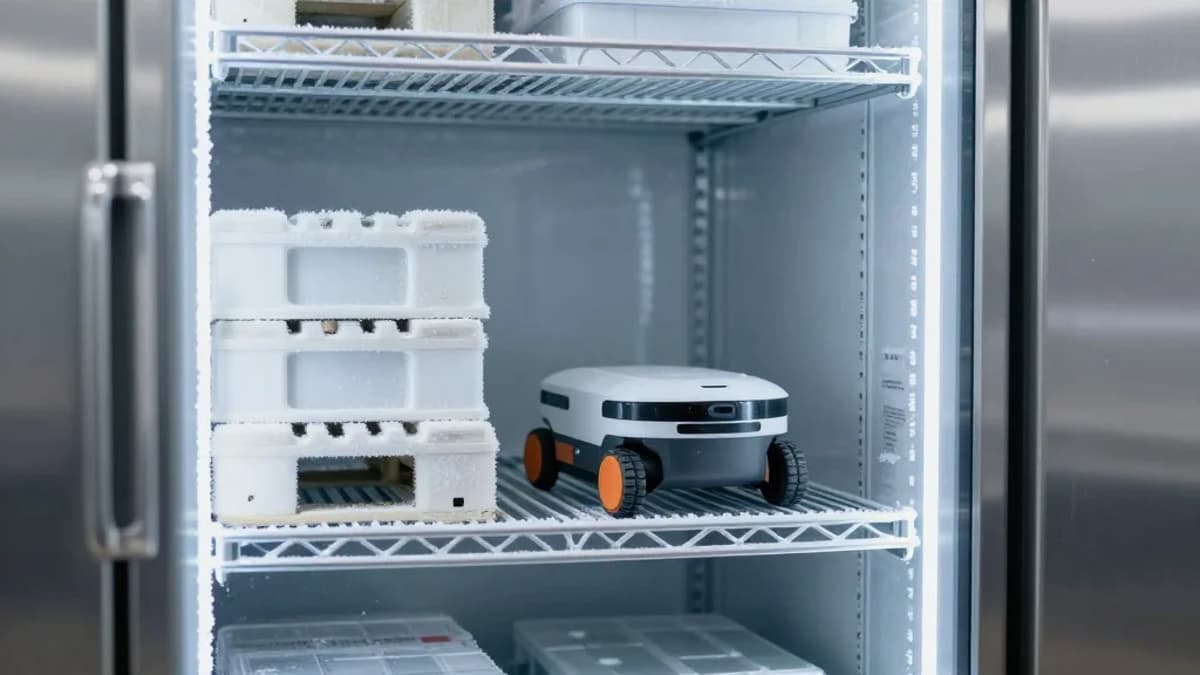
Cold Storage Market Working Off Oversupply
•February 25, 2026
0
Companies Mentioned


Why It Matters
The correction signals tighter supply‑demand dynamics, allowing operators like Lineage to stabilize pricing and improve margins, which reshapes investment theses in temperature‑controlled logistics.
Key Takeaways
- •New cold space up 14.5% vs 5% demand growth
- •Market roughly 10% oversupplied, capacity growth slowing
- •Occupancy fell to 79.3%, but improved sequentially
- •Lineage idled 10 sites, sold California asset for $60M
- •Automation plan LinOS targets $110M EBITDA boost
Pulse Analysis
The cold‑storage sector entered a period of excess capacity after a construction surge outpaced the modest post‑pandemic rebound in inventory levels. From 2021 through 2025, developers added roughly 14.5% more square footage, yet customer demand grew a mere 5%, leaving the market about 10% oversupplied. This imbalance pressured occupancy rates, which dipped to 79.3% in the latest quarter, and kept rental growth flat. As a result, pricing power weakened, prompting operators to reassess expansion plans and focus on efficiency.
Lineage’s response blends cost discipline with strategic investment. The firm idled ten under‑performing sites and sold a Southern California warehouse for $60 million, immediately improving cash flow. Simultaneously, it continues building 24 new facilities that are projected to contribute $150 million in annual EBITDA, while a $50 million cost‑reduction program runs through 2027. Central to its long‑term outlook is the LinOS automation platform, which is expected to generate an additional $110 million of EBITDA over the next three to five years, reinforcing the company’s competitive edge despite a soft market.
Looking ahead, the market’s oversupply is expected to recede as construction slows to just 1.5% this year and inventory levels stabilize at troughs. Lineage anticipates modest pricing hikes of 1‑2% and a typical seasonal occupancy dip in the first quarter. Investors have taken note, with the stock up nearly 4% on the earnings release, outpacing the broader S&P 500. The evolving dynamics underscore a shift from aggressive capacity expansion toward operational optimization, a trend likely to influence pricing, M&A activity, and technology adoption across the broader cold‑chain logistics industry.
Cold storage market working off oversupply
0
Comments
Want to join the conversation?
Loading comments...