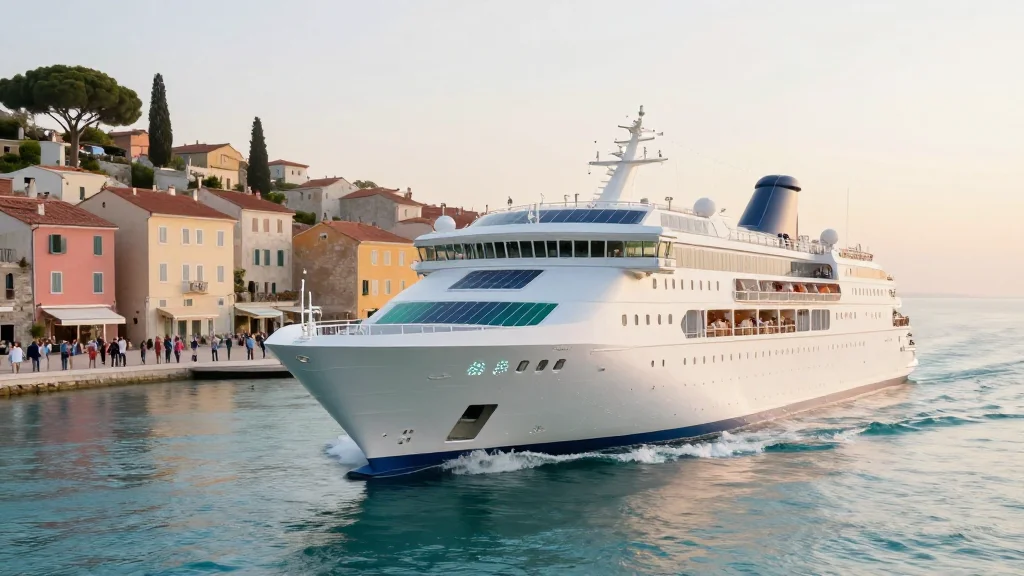
Cruise Industry Seeks Defensive Rebrand as "Social Progress" Partner
Companies Mentioned
Why It Matters
A credible social‑impact narrative could restore consumer trust, unlock new revenue streams, and shape policy and investment decisions across the tourism sector.
Key Takeaways
- •WTTC report positions cruises as engines of inclusive growth
- •Operators plan crowd‑management tech and off‑peak itineraries
- •Two‑thirds of impact linked to community enrichment initiatives
- •Brands target ethically conscious travelers to offset overtourism backlash
- •Success depends on measuring social benefits versus environmental costs
Pulse Analysis
The cruise sector has long been painted as a floating hotel that strains port infrastructure, fuels overtourism, and leaves a sizable carbon footprint. Recent protests in Mediterranean harbors and tightening emissions regulations have forced major lines to confront a credibility gap with both travelers and governments. In response, industry leaders are crafting a narrative that emphasizes social contribution rather than pure leisure, hoping to reposition ships as partners in local development. This defensive rebrand aims to shift public perception before stricter caps on passenger volumes take effect.
The World Travel & Tourism Council’s ‘Cruising for Impact’ report frames the sector as a catalyst for inclusive growth, citing thousands of jobs created in port cities and investments in cultural preservation projects. It outlines five pillars—maritime career pathways, infrastructure upgrades, local entrepreneurship support, environmental stewardship, and community co‑creation. According to the study, roughly two‑thirds of cruise‑related benefits stem from community enrichment programs that fund small‑business grants and waterfront revitalization. By highlighting these pillars, operators such as MSC and Carnival hope to demonstrate tangible value that outweighs the negative externalities traditionally associated with mass tourism.
Marketing directors are now bundling these social‑impact claims with technology‑driven solutions such as real‑time crowd analytics and dynamic pricing that encourage off‑peak travel. Investors watch closely, assessing whether the promised community returns can be quantified in ESG metrics and translate into premium pricing power. Yet skeptics warn that without rigorous third‑party verification, the narrative risks being perceived as green‑washing, especially as carbon‑offset commitments lag behind operational emissions. The sector’s ability to balance measurable social benefits with genuine environmental progress will determine its growth trajectory through 2030.
Cruise industry seeks defensive rebrand as "social progress" partner
Comments
Want to join the conversation?
Loading comments...