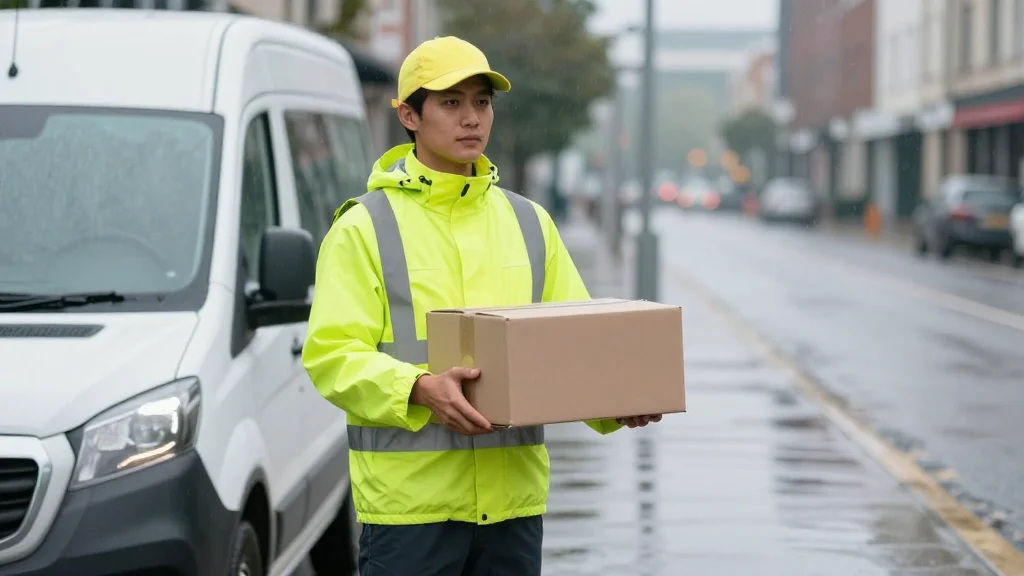
Delivery Platforms Deploy Cooling Cover as Orders Heat Up
Companies Mentioned

Why It Matters
The heat‑driven order boom pressures delivery logistics while forcing platforms to invest in worker safety, a factor that will shape cost structures and talent retention in the fast‑growing Indian online retail market.
Key Takeaways
- •Swiggy orders up 31% in May, Delhi 43% jump
- •Amazon's summer sale saw double‑digit order growth year‑on‑year
- •Flipkart Minutes reports 23‑fold rise in hand‑fan sales
- •Delivery firms provide cooling jackets, AC vans, and rest hubs
- •Project Ashray aims for 250 climate‑controlled centers by year‑end
Pulse Analysis
India’s summer heat has become a catalyst for digital commerce, with consumers staying indoors and turning to online platforms for everything from groceries to cooling gadgets. Industry data shows a 20‑30% year‑on‑year rise in order volumes during peak summer months, and this year’s figures are even higher: Amazon posted double‑digit growth during its 10‑day sale, Swiggy logged a 31.4% increase in May, and Flipkart’s Minutes service saw hand‑fan sales explode by 23 times. The surge reflects not only weather‑driven demand but also the lingering impact of work‑from‑home policies that keep customers online throughout the day.
In response, the major delivery players are investing heavily in heat‑mitigation infrastructure for their frontline workforce. Swiggy introduced passive cooling jackets that can lower body temperature by up to 7 °C for several hours, while Amazon’s Project Ashray is expanding to 250 air‑conditioned rest centres, up from 150, and deploying climate‑controlled vans on high‑density routes. Zomato, Blinkit parent Eternal, and others have partnered with TVS and Shell to provide dedicated cooling stations at service‑area fuel pumps. These measures aim to reduce heat‑related fatigue, lower turnover risk, and maintain delivery speed during the hottest part of the day.
The operational implications are significant. Enhanced worker comfort translates into higher productivity and better service levels, but it also adds to cost structures, prompting firms to explore automation and route‑optimization to offset expenses. Moreover, the focus on employee welfare strengthens brand reputation and could become a differentiator in a market where talent shortages for pickers, packers and riders are already acute. As Indian consumers continue to favor online purchases for summer essentials, platforms that balance demand spikes with robust, climate‑aware logistics will likely capture the most market share and set new standards for the industry.
Delivery platforms deploy cooling cover as orders heat up
Comments
Want to join the conversation?
Loading comments...