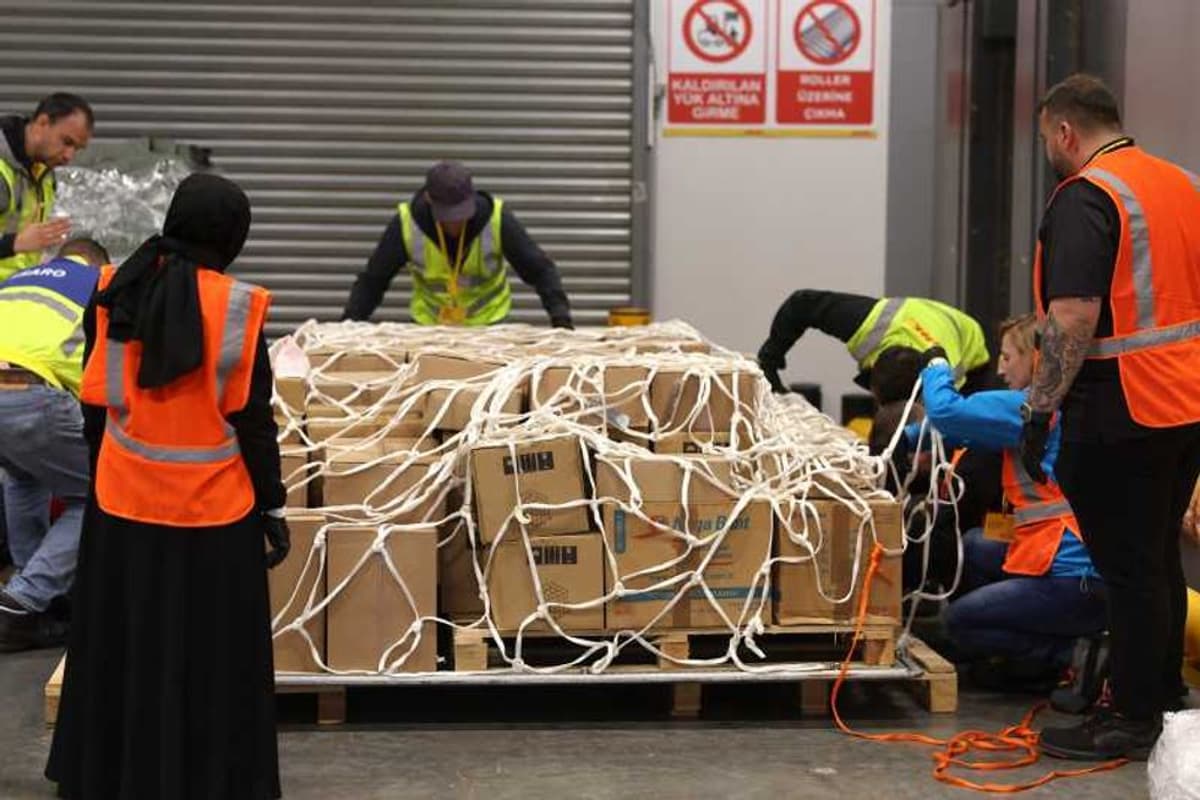
DHL Group Launches DHL Academy of Humanitarian Logistics
Companies Mentioned
Why It Matters
DAHL strengthens local humanitarian capacity, reducing aid delays and enhancing disaster‑response effectiveness amid rising climate‑driven crises.
Key Takeaways
- •DHL launches DAHL to train NGOs in logistics best practices.
- •First rollout targets Sub‑Saharan Africa with sessions in six countries.
- •Program builds on GoHelp, adding over 650 participants from 80 NGOs.
- •Training covers customs, dangerous goods, packaging, and safety protocols.
- •DAHL aims to boost local preparedness and cut humanitarian aid delays.
Pulse Analysis
The frequency and complexity of humanitarian emergencies have surged, driven by climate‑related disasters, protracted conflicts, and evolving risk landscapes. While aid volumes grow, many local responders lack the specialized logistics knowledge needed to move supplies swiftly and safely. Inefficient customs clearance, mishandling of hazardous materials, and inadequate packaging can cause costly delays, undermining relief efforts. Industry analysts increasingly argue that building logistics capacity within NGOs is as critical as funding the aid itself, because the speed of delivery often determines life‑saving outcomes.
DHL’s new Academy of Humanitarian Logistics (DAHL) translates the carrier’s decades of supply‑chain expertise into a pro‑bono curriculum for nonprofit actors. Launched in Johannesburg, the program targets Sub‑Saharan Africa—a region where infrastructure gaps and regulatory hurdles frequently stall aid. Training modules cover customs procedures, dangerous‑goods handling, packaging standards, and safety measures, all delivered by DHL professionals. The initiative builds on the existing GoHelp framework, which already includes Disaster Response Teams and the Get Airports Ready for Disaster project. Pilot sessions worldwide have educated more than 650 participants from over 80 NGOs, demonstrating scalable demand.
By empowering local organizations, DAHL could shorten response times, lower operational costs, and increase the proportion of aid that reaches beneficiaries. For DHL, the academy reinforces its brand as a sustainability leader while opening channels for future collaborations with the nonprofit sector. Competitors may feel pressure to launch similar capacity‑building programs, potentially raising the overall professionalism of humanitarian logistics. As governments and donors prioritize resilience and anticipatory action, initiatives like DAHL are poised to become integral components of the global disaster‑response ecosystem.
DHL Group launches DHL Academy of Humanitarian Logistics
Comments
Want to join the conversation?
Loading comments...