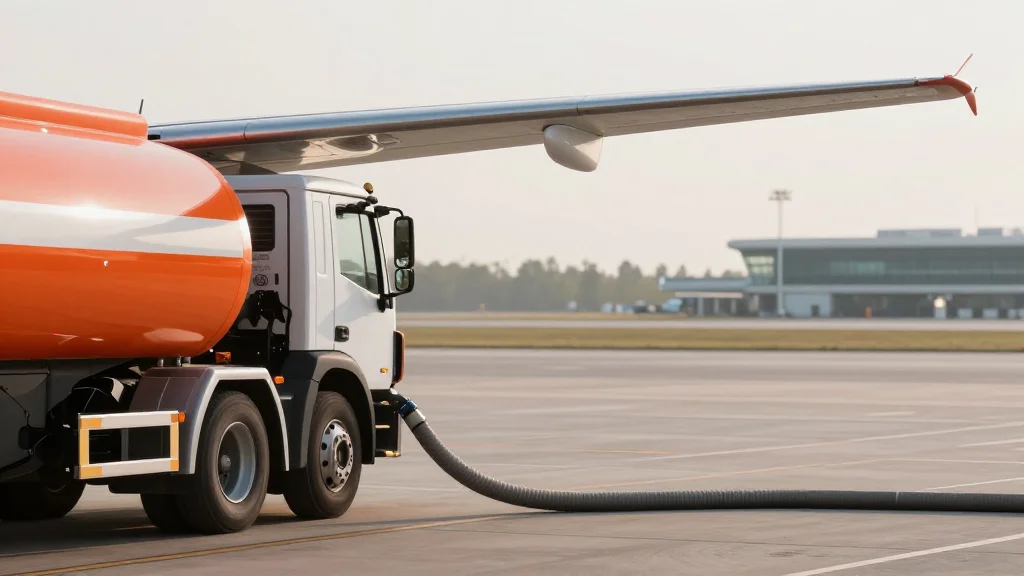
Europe Braces for Jet‑Fuel Shortage as Middle‑East Tensions Threaten Summer Travel

Companies Mentioned

Why It Matters
A sustained jet‑fuel shortage would reverberate beyond airline balance sheets. Higher fares and reduced capacity could dampen tourism revenue for key European economies that rely on summer travel, while cargo operators may face bottlenecks that affect supply chains for essential goods. Moreover, the crisis underscores the tension between Europe’s climate ambitions—embodied in the SAF mandates—and its energy security, forcing policymakers to reconcile short‑term fuel reliability with long‑term decarbonisation goals. For investors, the situation highlights exposure in airlines’ fuel‑hedge strategies and the financial health of carriers heavily dependent on short‑haul operations. Creditors and equity holders will watch closely how airlines manage cash flow amid rising costs, while fuel suppliers and SAF producers may see a rapid shift in demand dynamics, reshaping the European aviation fuel market for years to come.
Key Takeaways
- •IATA reports jet‑fuel prices have risen to $150‑$200 per barrel, up from $85‑$90 pre‑conflict
- •IEA’s Fatih Birol says Europe’s jet‑fuel reserves cover only about six weeks
- •Lufthansa to cut ~20,000 short‑haul flights and retire 27 regional jets
- •EasyJet expects a £540‑£560 million pre‑tax loss, with £25 million extra fuel cost in March
- •Europe imports ~75 % of jet fuel from the Middle East and has lost ~20 % refining capacity since 2009
Pulse Analysis
The jet‑fuel crunch is a textbook case of geopolitical risk colliding with structural market shifts. Europe’s heavy reliance on Middle‑East imports mirrors the broader energy security challenges that have plagued the continent since the early 2020s, yet the aviation sector now feels the pressure more acutely because jet fuel cannot be easily substituted with crude oil. The rapid price escalation has already forced carriers to adopt a dual strategy: immediate capacity reductions to preserve cash and a longer‑term push toward fleet modernization and SAF adoption. However, the SAF mandate, while essential for climate goals, adds a cost premium that erodes margins at a time when cash is already tight.
Historically, airlines have used fuel hedging to smooth out price volatility, but the current surge has outpaced many existing contracts, exposing a hedging gap that will likely drive a new wave of derivative activity. Investors should watch for increased hedging volumes and higher premiums, which could become a new revenue stream for financial institutions but also raise the cost of capital for airlines. In parallel, the decline of European refining capacity—driven by consolidation and environmental regulations—means the continent cannot quickly ramp up domestic production, making it dependent on geopolitically sensitive supply routes.
Looking ahead, the crisis could accelerate two divergent trends. First, airlines may accelerate retirement of older, less efficient aircraft, a move that aligns with both cost‑cutting and emissions targets. Second, policymakers might reconsider the pace of SAF integration, perhaps granting temporary exemptions or incentivising blended fuel imports to bridge the short‑term gap. The outcome will shape Europe’s aviation competitiveness for the next decade, influencing everything from ticket pricing to the viability of low‑cost carriers.
Europe Braces for Jet‑Fuel Shortage as Middle‑East Tensions Threaten Summer Travel
Comments
Want to join the conversation?
Loading comments...