Companies Mentioned
Why It Matters
The moves signal airlines’ push for premium digital experiences, deeper Latin‑American market penetration, and tighter safety rules as new technologies intersect with air travel.
Key Takeaways
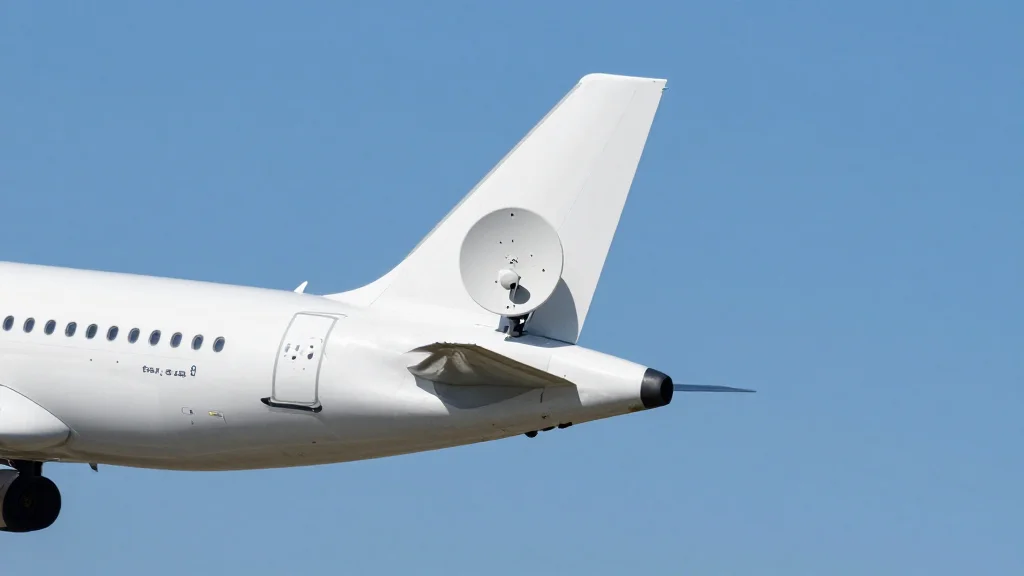
- •American to equip 500 A321XLR/neo planes with Starlink in 2027.
- •Avianca adds Fort Lauderdale‑Barranquilla and Fort Lauderdale‑Cali daily flights July 15.
- •JetBlue targets Venezuelan market with Fort Lauderdale‑Caracas nonstop before year‑end.
- •Southwest prohibits human‑like robots on board, citing battery fire risk.
Pulse Analysis
Satellite internet is becoming a differentiator for legacy carriers, and American Airlines’ decision to outfit 500 narrow‑body jets with Starlink underscores that trend. By leveraging low‑Earth‑orbit constellations, airlines can promise faster, lower‑latency connections that mirror ground‑based broadband, a selling point for business travelers and streaming‑hungry passengers. The rollout also pits Starlink against rivals like Amazon’s Leo, intensifying competition for the lucrative in‑flight connectivity market and prompting airlines to negotiate favorable pricing and service level agreements.
Latin America remains a growth engine for U.S. airlines, and both Avianca and JetBlue are capitalizing on renewed demand. Avianca’s new Fort Lauderdale‑to‑Colombia routes add daily capacity, reinforcing its role as a bridge between the U.S. and the Andean region. JetBlue’s entry into Venezuela follows the DOT’s policy shift, opening a market that has been largely untapped for years. The Caracas‑Fort Lauderdale link caters to a sizable expatriate community and positions JetBlue to capture leisure traffic as political risk eases, while also diversifying its route portfolio beyond the Caribbean core.
Southwest’s ban on humanoid robots highlights how airlines must adapt safety protocols to emerging tech. The incident with a 3.5‑foot robot raised concerns about lithium‑ion battery safety and passenger perception, prompting a swift policy change. As autonomous devices become more common, carriers will likely develop clearer guidelines covering battery standards, size restrictions, and liability, shaping a new regulatory niche that balances innovation with the paramount goal of flight safety.
Flightpath: Airlines on the Radar
Comments
Want to join the conversation?
Loading comments...