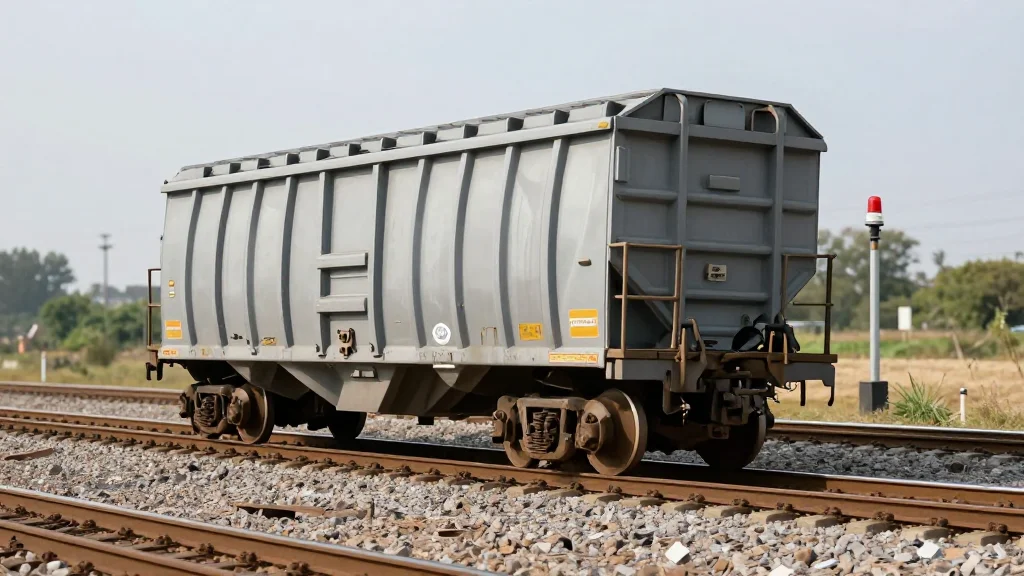
Freight Train Fatalities Mount as 5 Killed in Four Incidents Across US
Companies Mentioned
Why It Matters
The spate of fatalities highlights ongoing safety gaps at railroad crossings and on private rights‑of‑way, prompting regulators and rail operators to reassess risk mitigation. Growing public scrutiny could drive stricter enforcement and investment in crossing protection technologies.
Key Takeaways
- •Five deaths in four freight‑train collisions this week.
- •Incidents occurred in Texas, Michigan, North Carolina, Pennsylvania.
- •Two crashes involved pedestrians on non‑public tracks.
- •Norfolk Southern involved in three of the four accidents.
- •Safety investigations pending; no cause disclosed yet.
Pulse Analysis
Freight‑rail fatalities have risen sharply, with five deaths reported in just one week—a stark reminder that the industry’s safety record remains fragile despite decades of technological advances. While rail transport accounts for a fraction of overall traffic fatalities, each incident garners intense media attention and can erode public confidence, especially when high‑profile carriers like Norfolk Southern are involved. The recent crashes span four states, illustrating that risk is not confined to a single region but is embedded in the broader network of private rights‑of‑way and at‑grade crossings that lack uniform safety standards.
Preliminary reports suggest a mix of vehicle‑train and pedestrian‑train collisions, with two deaths occurring on non‑public tracks where warning devices are often absent. Factors such as limited visibility, inadequate signage, and the growing prevalence of trespassing on rail corridors contribute to these tragedies. Moreover, the involvement of a major carrier in three of the four incidents underscores the need for carriers to audit crossing infrastructure and enforce stricter trespass deterrence. Regulators, including the Federal Railroad Administration, are likely to intensify scrutiny, potentially mandating more comprehensive risk assessments and faster deployment of safety upgrades.
Looking ahead, the industry may accelerate adoption of emerging technologies to curb such incidents. Positive Train Control, already mandated for mainline operations, could be expanded to cover more secondary lines, while AI‑driven video analytics at crossings can detect obstacles and trigger automatic alerts. Investment in upgraded gates, four‑quadrant warning lights, and community outreach programs are also on the table. As stakeholders balance cost pressures with safety imperatives, the recent fatalities could serve as a catalyst for policy reforms that prioritize human life over operational convenience.
Freight train fatalities mount as 5 killed in four incidents across US
Comments
Want to join the conversation?
Loading comments...