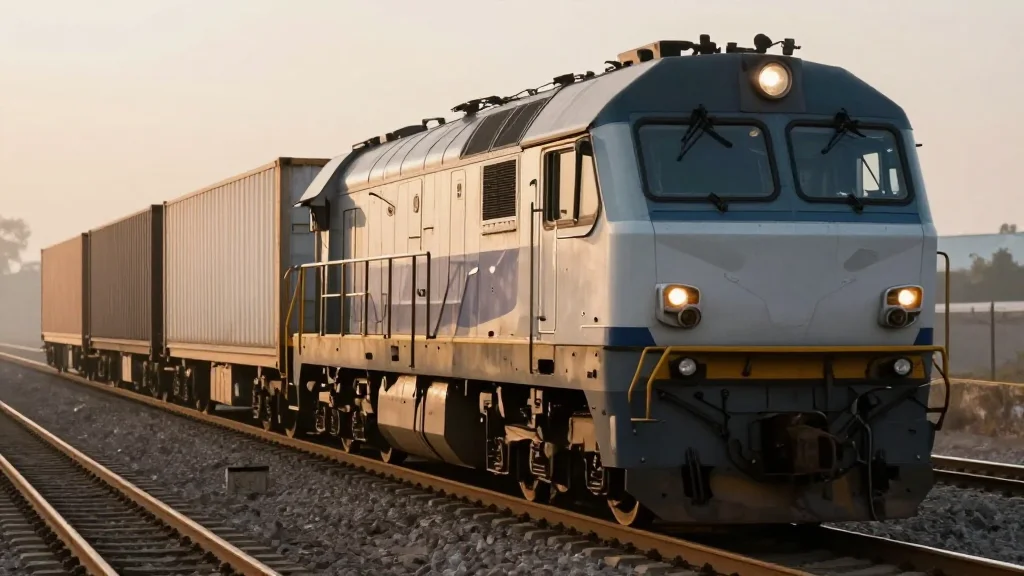
Freight Transportation Services Index Revised Down, Rising in April
Key Takeaways
- •Freight services index fell 1.2% in March, still below August levels
- •Vehicle‑miles‑travel rose sharply in February, then decelerated in March
- •Airline enplanements unchanged since early 2025 despite higher fares
- •Freight index turning points historically precede economic slowdowns
Pulse Analysis
The latest revision of the Freight Transportation Services Index (FTSI) underscores a subtle but noteworthy shift in the logistics landscape. A 1.2% downward adjustment for March, coupled with modest revisions for prior months, nudges the index away from its recent upward trajectory that began in January 2026. While the FTSI remains above its early‑year trough, its position beneath the August high suggests that freight demand may be losing momentum, a signal that investors and policymakers watch closely as an early indicator of broader economic health.
Transportation metrics beyond freight paint a complementary picture. Airline passenger enplanements have plateaued at levels seen in January 2025, even as the Airfare CPI component climbs alongside a sharp rise in gasoline prices per gallon. Meanwhile, vehicle‑miles‑travel (VMT) experienced a pronounced surge in February, reflecting robust consumer and commercial driving activity, but the pace slowed in March as fuel costs surged. These dynamics illustrate how rising energy expenses can quickly dampen mobility, affecting both passenger airlines and road freight.
The convergence of a softened freight index, stagnant air travel, and volatile fuel prices raises questions about the near‑term trajectory of the U.S. business cycle. Historically, detrended turning points in the freight services index have preceded economic downturns, though past peaks in 1984, 1994, and 2012 did not trigger recessions. Market participants should monitor whether the current combination of weaker freight demand and higher transportation costs translates into reduced inventory shipments, slower consumer spending, and ultimately a broader slowdown. Policymakers may need to consider the ripple effects on inflation and employment as transportation costs feed through supply chains.
Freight Transportation Services Index Revised Down, Rising in April
Comments
Want to join the conversation?