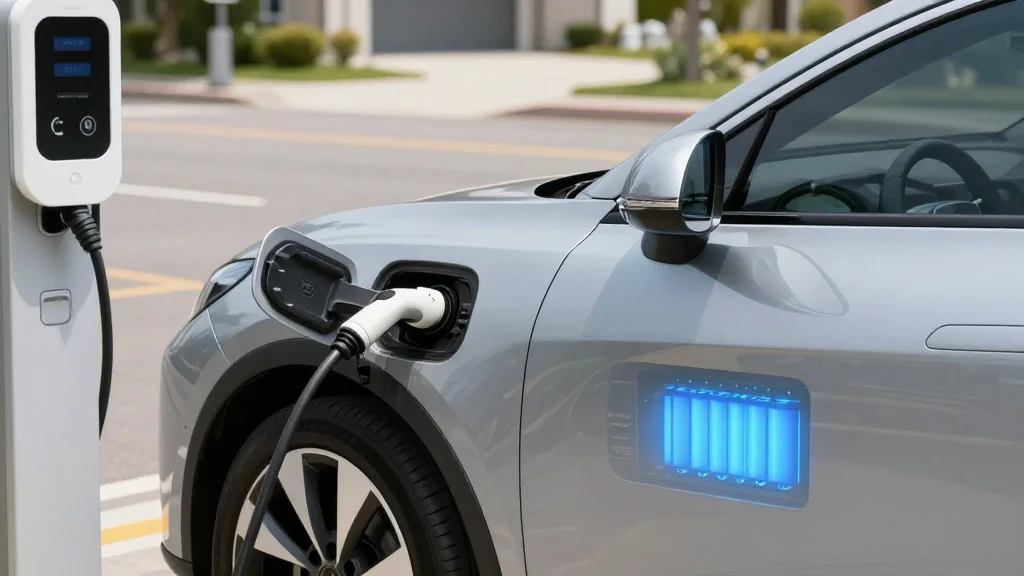
Frozen To -22 Degrees, BYD’s New EV Just Charged To 97% In Only 12 Minutes
Companies Mentioned
Why It Matters
Proving ultra‑fast charging in extreme cold removes a major barrier to EV adoption in colder markets and showcases BYD’s ability to compete with high‑end manufacturers on both speed and reliability.
Key Takeaways
- •BYD's second‑gen Blade battery charges 20%‑97% in 12 minutes at –22 °F.
- •Flash charger delivers up to 1,500 kW, rivaling gasoline refuel time.
- •Test proves high‑speed charging works in extreme cold where LFP usually lags.
- •BYD has installed 5,000 megawatt Flash stations, expanding global network.
- •Competitors like Mercedes and Lucid charge slower or only under ideal conditions.
Pulse Analysis
BYD’s latest flash‑charging demonstration underscores a strategic shift in electric‑vehicle technology: speed that rivals gasoline refueling, even under sub‑zero conditions. The Denza Z9GT’s second‑generation Blade battery, a lithium‑iron‑phosphate pack, accepted a 1,500‑kilowatt DC burst, moving from 20% to 97% state‑of‑charge in 12 minutes after a 24‑hour soak at –22 °F. This performance not only validates BYD’s claim of a 626‑mile range under China’s CLTC cycle but also proves that high‑power charging can overcome the thermal limitations that typically plague LFP chemistries.
The cold‑weather test places BYD ahead of many premium rivals. Mercedes‑AMG’s GT can ingest up to 600 kW, reaching 10‑80% in 11 minutes under ideal lab conditions, while Lucid’s Gravity SUV manages a 0‑50% charge in 12.5 minutes in independent testing. Both benchmarks assume moderate temperatures, whereas BYD’s result demonstrates resilience in harsh climates—a key factor for markets across northern Europe, North America, and parts of Asia. By leaving a 3% buffer at 97% charge, BYD also safeguards regenerative‑braking efficiency, ensuring that rapid top‑up sessions don’t compromise subsequent energy recovery.
Beyond the technical showcase, BYD’s rollout of 5,000 megawatt‑class Flash stations signals an aggressive expansion of its charging ecosystem. The network aims to rival Europe’s Ionity and the United States’ growing fast‑charger footprints, offering operators a plug‑and‑play solution that can serve both BYD and third‑party EVs. If the company can maintain reliability at scale, the combination of ultra‑fast, cold‑tolerant charging and a sprawling infrastructure could accelerate EV adoption in regions where range anxiety and slow charging have been persistent hurdles. Industry observers will watch closely to see whether BYD’s model reshapes global standards for high‑power EV charging.
Frozen To -22 Degrees, BYD’s New EV Just Charged To 97% In Only 12 Minutes
Comments
Want to join the conversation?
Loading comments...