Gulf Shipping Crisis Fuels New Eurasian Corridors
Why It Matters
The shift to land‑based routes reshapes global energy and commodity flows, reducing reliance on vulnerable sea lanes and elevating Pakistan’s strategic importance, while the economic fallout underscores the high cost of geopolitical instability.
Key Takeaways
- •Hormuz shutdown spurs overland routes linking China, Central Asia, Europe.
- •Pakistan launches six new overland links to Iran, positioning as transit hub.
- •UAP railway and TAPI pipeline remain stalled by regional conflict.
- •Middle Corridor and IMEC aim to divert trade from Russian routes.
- •$3 trillion global labor income loss projected by 2027 from disruptions.
Pulse Analysis
The sudden closure of the Strait of Hormuz has forced policymakers to reconsider the geography of global trade. Historically, the narrow waterway handled a sizable share of oil and LNG shipments, but its vulnerability to military action now drives a strategic pivot toward land corridors that can guarantee continuity. Analysts estimate that the disruption will shave roughly $3 trillion off worldwide labor incomes by 2027, while the United States has already incurred $29 billion in direct military expenditures and $35 billion in additional fuel costs, highlighting the steep price of geopolitical risk.
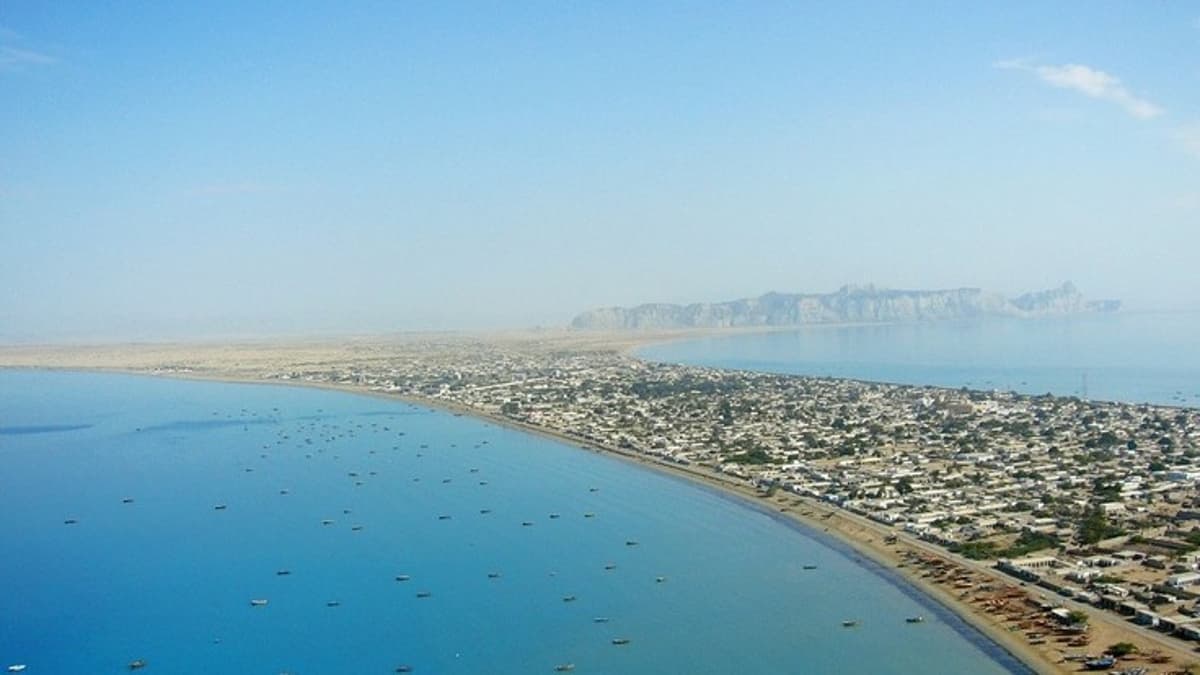
Across the Eurasian landscape, a patchwork of railways, pipelines and highways is being fast‑tracked to fill the void left by maritime bottlenecks. China’s Belt and Road Initiative has launched the Xi’an‑Aprin rail line, linking the Chinese interior to Iran via Turkmenistan, Uzbekistan and Kazakhstan, while Pakistan’s six newly opened overland routes to Iran position Karachi and Gwadar as alternative gateways for Central Asian and Russian exports. Yet critical projects such as the Uzbekistan‑Afghanistan‑Pakistan railway and the Turkmenistan‑Afghanistan‑Pakistan‑India gas pipeline remain stalled, hampered by security concerns and funding gaps, underscoring the need for coordinated investment and political stability.
The broader implication is a re‑balancing of global supply chains that could diminish the strategic leverage of traditional chokepoints like the Suez Canal and the Strait of Malacca. Energy markets may see a gradual decoupling of oil and gas flows from Gulf routes, with increased reliance on overland pipelines and rail freight. For investors and multinational firms, the emerging corridors present both risk and opportunity: infrastructure contracts, logistics services, and financing mechanisms are likely to surge, while nations that fail to modernize their transport networks risk being sidelined in the new Eurasian trade architecture.
Gulf Shipping Crisis Fuels New Eurasian Corridors
Comments
Want to join the conversation?
Loading comments...