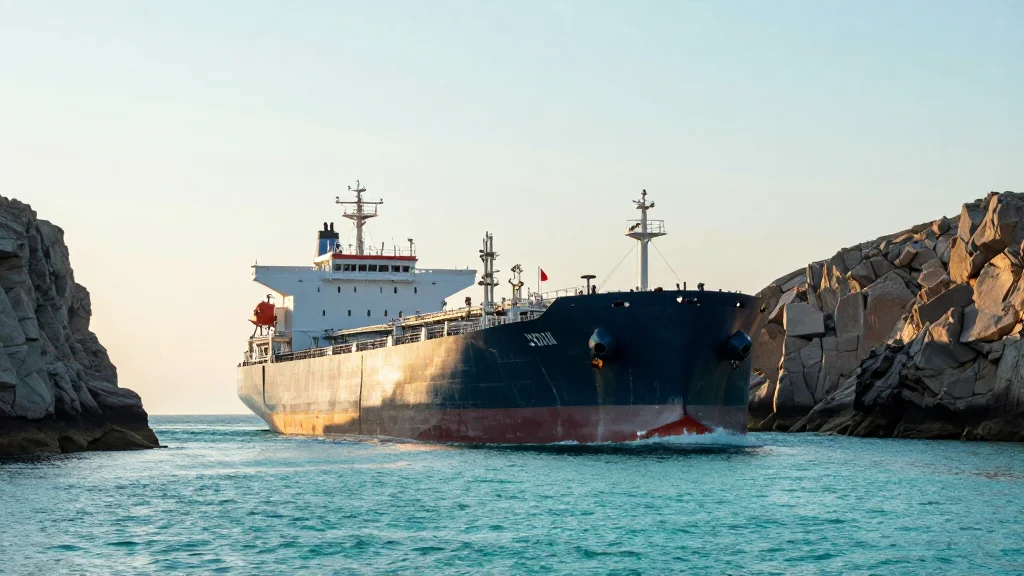
Gulf Tanker Traffic Falls to 5% of Pre‑war Levels as Hormuz Conflict Drives Insurance Costs Sky‑high

Companies Mentioned
Why It Matters
The collapse of traffic through the Strait of Hormuz threatens the stability of global energy supplies, as the waterway handles about a fifth of the world’s petroleum liquids and a quarter of seaborne oil trade. With insurance premiums spiking and alternative routes adding weeks to voyages, the cost of oil and gas is set to rise, pressuring inflation‑sensitive economies, especially in Asia. Moreover, the emergence of a potential toll regime could reshape the economics of maritime trade, shifting cost burdens onto carriers and ultimately consumers. For investors and policymakers, the situation underscores the geopolitical fragility of critical supply chains. Persistent disruption could accelerate the shift toward diversified energy sources, such as LNG from non‑Middle‑East producers, and spur strategic stockpiling. Shipping firms must balance higher earnings from surge pricing against the risk of asset damage and heightened financing costs, influencing fleet investment decisions for years to come.
Key Takeaways
- •Gulf tanker traffic down to ~5% of pre‑war levels, a 13% drop in overall Gulf shipping volume.
- •Fewer than 60 vessels transited Hormuz between April 18‑May 6, versus 120‑140 daily pre‑conflict.
- •Around 1,500 vessels (22,500 crew) trapped in the Gulf per U.S. military data.
- •Insurers label premiums “exorbitant”; Iran proposes a toll system to monetize limited traffic.
- •VLCC spot rates above $47,000 per day, 24% above the 20‑year average.
Pulse Analysis
The Hormuz shutdown is a textbook case of how a single chokepoint can amplify geopolitical risk into a market‑wide shock. Historically, the strait’s importance has been mitigated by the ability to reroute via the Cape of Good Hope, but that detour adds 10‑12 days and consumes additional bunker fuel, eroding margins for carriers already squeezed by high charter rates. The current premium environment is likely to persist until a credible security guarantee emerges, which may take months given the fragile cease‑fire and the nascent toll negotiations.
From a strategic perspective, the crisis could accelerate two divergent trends. First, oil‑dependent economies in East Asia may accelerate diversification into non‑Middle‑East sources, including U.S. shale and African offshore projects, to hedge against future chokepoint volatility. Second, ship owners with younger, more fuel‑efficient fleets—like Navios, whose average vessel age is 9.1 years—are better positioned to absorb higher insurance costs and command premium freight rates, potentially reshaping competitive dynamics in the tanker market.
Looking ahead, the proposed Iran‑Oman toll could institutionalise a new cost layer for all Hormuz traffic, effectively monetising risk. If implemented, carriers will have to factor the toll into charter negotiations, likely pushing spot rates higher still. However, the toll could also provide a transparent revenue stream for Iran, reducing the incentive for ad‑hoc blockades and possibly stabilising traffic in the medium term. Investors should monitor the diplomatic talks closely; any breakthrough that restores even a fraction of pre‑war volumes could trigger a rapid re‑pricing of oil logistics and a corresponding dip in insurance premiums.
Gulf tanker traffic falls to 5% of pre‑war levels as Hormuz conflict drives insurance costs sky‑high
Comments
Want to join the conversation?
Loading comments...