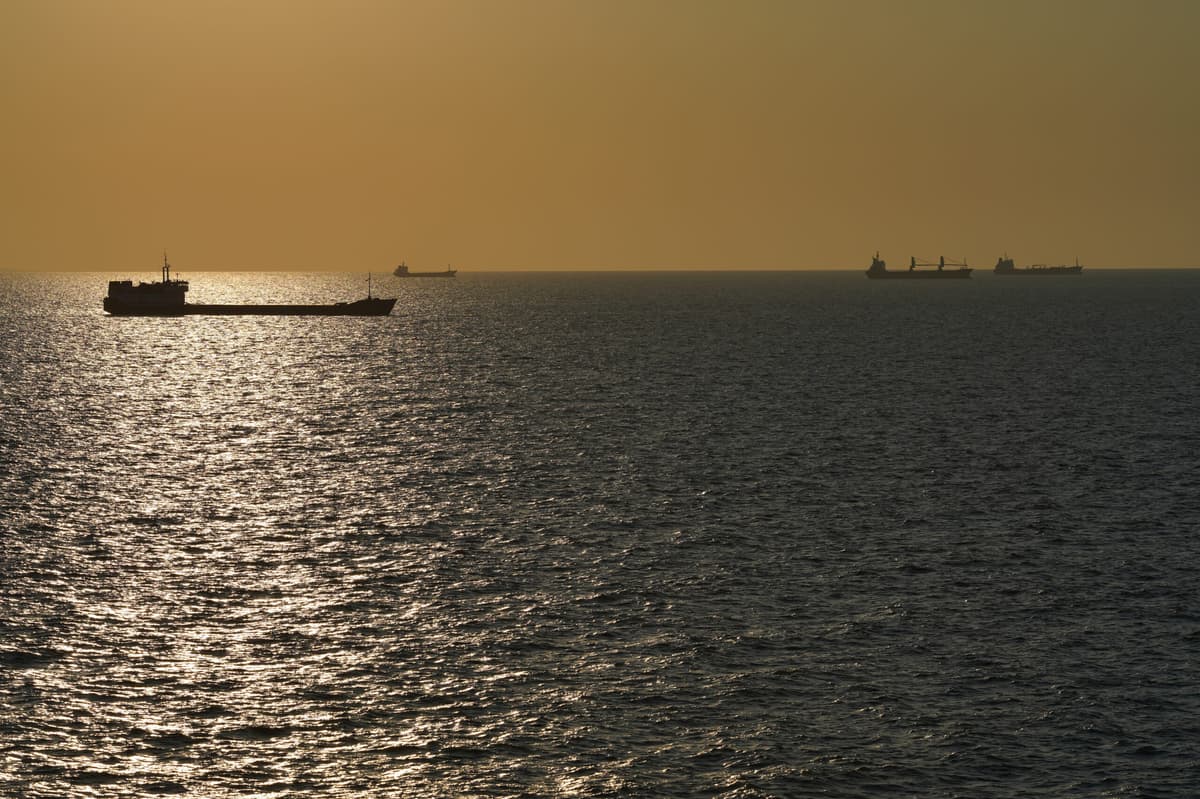
Hormuz Traffic at Standstill After Iran Abruptly Ends Reopening
Why It Matters
The halt threatens global oil supply chains and raises shipping insurance costs, underscoring how geopolitical flashpoints can quickly tighten energy markets.
Key Takeaways
- •US seized Iranian cargo ship near Jask, first seizure during blockade
- •Commercial transits through Hormuz reduced to trickle after brief reopening
- •Benchmark oil prices rose sharply amid renewed supply concerns
- •Only three vessels—Nova Crest, Axon I, Starway—remain active
- •Ceasefire expires Tuesday, adding uncertainty to regional shipping
Pulse Analysis
The Strait of Hormuz, through which roughly a fifth of global oil passes, has become a bottleneck as Iran tightened control in retaliation for recent U.S. and Israeli strikes. After seven weeks of near‑total paralysis, a tentative reopening was announced on Friday, prompting a brief surge in vessel movements and a dip in oil prices. However, the fragile cease‑fire that underpinned the announcement is set to lapse, leaving shippers wary of further escalations.
The U.S. Navy's seizure of an Iranian cargo ship off Jask on Sunday marked a watershed moment, signaling a more aggressive enforcement posture. The move sent immediate ripples through the market, with benchmark crude spiking as traders priced in heightened geopolitical risk. Only three tankers—Nova Crest, a UK‑EU‑Swiss sanctioned vessel bound for the UAE, Axon I, a U.S.-sanctioned LPG carrier, and the medium‑range oil tanker Starway—have continued to navigate the strait, highlighting the extreme caution exercised by shipowners.
For the broader energy landscape, the standstill amplifies supply‑side volatility and could force refiners to tap alternative routes or strategic reserves, driving up freight rates and insurance premiums. Analysts warn that if the cease‑fire expires without renewal, the Hormuz corridor may remain largely closed, compelling markets to adjust to a higher risk premium. Stakeholders—from oil majors to logistics firms—must monitor diplomatic talks in Islamabad closely, as any shift in U.S.–Iran relations will directly impact global fuel prices and the stability of maritime trade routes.
Hormuz Traffic at Standstill After Iran Abruptly Ends Reopening
Comments
Want to join the conversation?
Loading comments...