How a China-Backed Highway May Turn Landlocked Laos Into a Trade Gateway
Why It Matters
The project gives Laos critical overland trade routes, boosting its economy and deepening China’s logistical foothold in Southeast Asia, reshaping regional supply chains.
Key Takeaways
- •Feasibility study by Henan ZhongGong for 186‑207 km expressway
- •Expressway aims to turn landlocked Laos into regional transport hub
- •Build‑operate‑transfer partnership involves Lao conglomerate financing
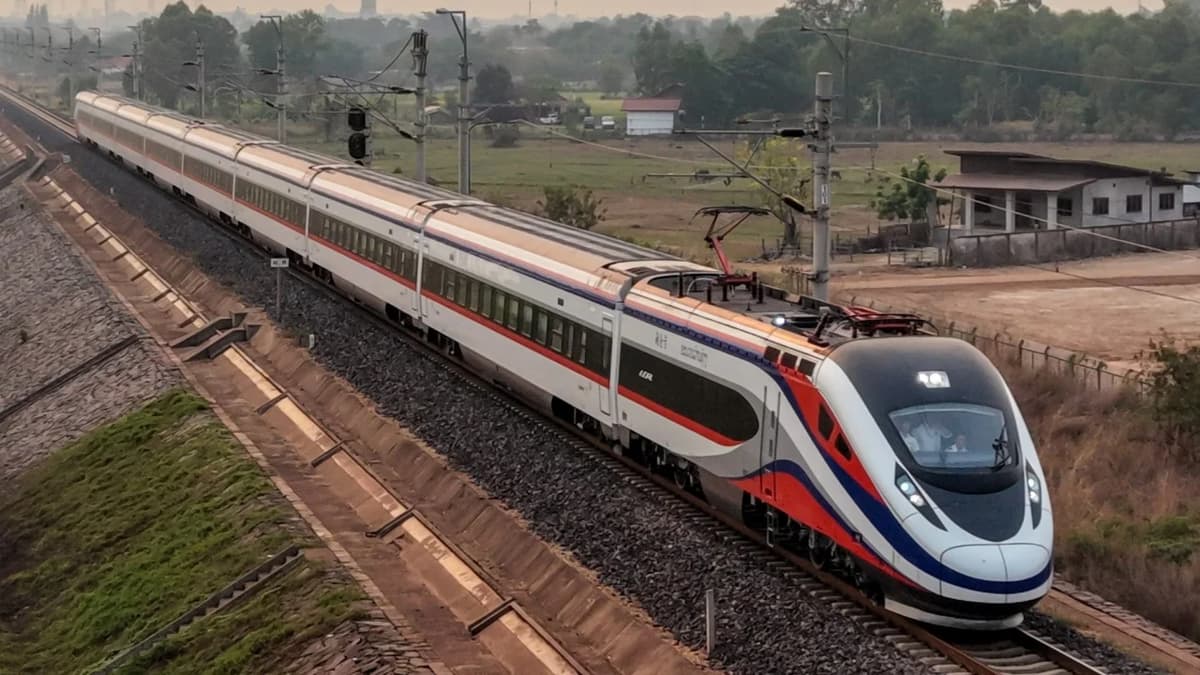
- •Complements China’s $6 billion Lao railway, expanding Mekong corridor
- •440 km Vientiane‑Boten link targeted for 2030 completion
Pulse Analysis
Laos, home to roughly eight million people, has long struggled with its landlocked geography. Seasonal rains turn dirt tracks into impassable barriers, choking agricultural exports and limiting access to regional markets. Beijing’s investment in roads and railways offers a pragmatic solution, turning geographic constraints into logistical opportunities. By funding a new expressway that connects Vientiane to Vietnam and ultimately to China, the project promises faster, year‑round movement of goods, reducing reliance on river transport and lowering costs for Lao producers.
The expressway’s design phase is being handled by Henan ZhongGong Design and Research Group, a veteran state‑owned Chinese engineering firm. The planned 186‑207 km segment will be part of a broader 440 km corridor reaching the Chinese border by 2030. A Lao business conglomerate will adopt a build‑operate‑transfer model, shouldering construction financing and operational responsibilities before handing the road to the state. This arrangement mirrors the financing structure of the $6 billion, 414 km Lao railway opened in 2021, illustrating a growing pattern of public‑private partnerships that accelerate infrastructure delivery while sharing risk.
Strategically, the highway deepens China’s economic footprint across the Mekong region, creating a land bridge that links Southeast Asia to Central Asia and Europe. For Laos, the road could unlock new trade corridors, attract foreign investment, and spur tourism, potentially lifting millions out of poverty. At the same time, the development underscores the shifting balance of influence as Washington’s engagement wanes, positioning China as the primary conduit for regional connectivity. Stakeholders will watch closely how this corridor reshapes supply‑chain dynamics and geopolitical alignments in the years ahead.
How a China-backed highway may turn landlocked Laos into a trade gateway
Comments
Want to join the conversation?
Loading comments...