How And Why $150 NJ Transit World Cup Train Tickets Became Reality
Companies Mentioned
Why It Matters
The fare decision underscores how infrastructure gaps and funding disagreements can inflate costs for fans and strain host‑city relationships, setting a precedent for future U.S. mega‑events. It also signals growing scrutiny of public money used to support private sports enterprises.
Key Takeaways
- •NJ Transit set $150 round‑trip fare for World Cup fans
- •State estimates $48 million cost for 40,000 riders per match
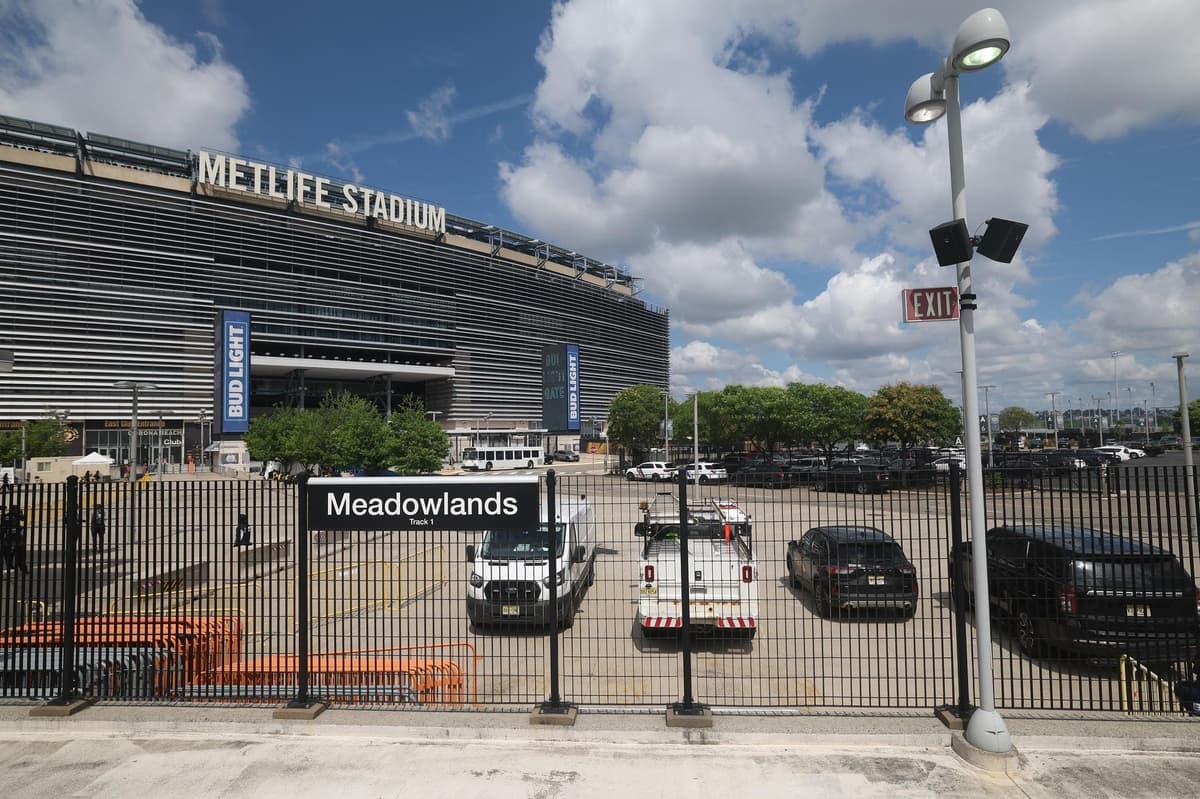
- •MetLife Stadium lacks off‑site parking, forcing reliance on rail
- •Funding dispute pits New Jersey government against FIFA’s expectations
- •Event could shift public opinion on subsidizing sports infrastructure
Pulse Analysis
MetLife Stadium’s geography makes it one of the most transit‑dependent venues in the 2026 World Cup. Unlike stadiums in Mexico or Canada that sit within dense rail networks, the Meadowlands complex relies on a single out‑and‑back spur from Secaucus, with virtually no off‑site parking or pedestrian options. When FIFA earmarked the site for eight matches—including the final—projected ridership jumped to 40,000 per game, five times typical NFL crowds, forcing planners to confront a bottleneck that could deter casual fans and strain local services.
The $48 million operating estimate translates to a $150 round‑trip ticket, a price point that reflects a broader shift in how governments view sports subsidies. In the 1994 World Cup, public funds were readily allocated to stadium projects under the belief they would spur economic growth. Decades of research, however, have shown limited return on such investments, prompting states like New Jersey to demand that FIFA shoulder transit costs. The resulting impasse places the financial burden on taxpayers while the bulk of tourism revenue is expected to flow to New York City, intensifying the debate over who truly benefits.
Beyond the immediate fan experience, the NJ Transit‑FIFA clash may reshape funding models for future U.S. events. Policymakers could leverage this case to argue for stronger infrastructure commitments before awarding hosting rights, or to renegotiate revenue‑sharing agreements that better align costs with economic gains. As the 2026 tournament approaches, the outcome will likely influence how cities negotiate venue upgrades, public‑private partnerships, and the political calculus of supporting large‑scale sporting spectacles.
How And Why $150 NJ Transit World Cup Train Tickets Became Reality
Comments
Want to join the conversation?
Loading comments...