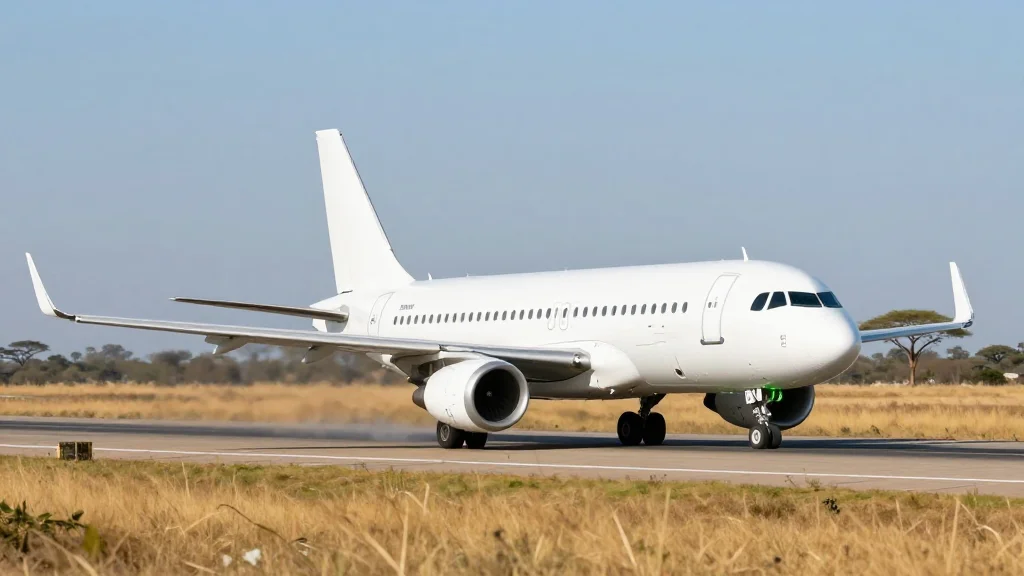
IATA Urges African Governments to Elevate Aviation as Driver of Growth and Integration
Why It Matters
Elevating aviation will lower travel costs, free trapped revenues, and create a sustainable fuel industry, driving jobs, trade, and regional integration across Africa.
Key Takeaways
- •Africa's accident rate fell to 7.86 per million sectors in 2025
- •Compliance with ICAO standards sits at just 60% regionally
- •Aviation taxes are 15% higher than global averages, hindering connectivity
- •Blocked airline revenues total $774 million, with Algeria accounting $258 million
- •Africa could produce 106 million tonnes of SAF feedstock by 2050
Pulse Analysis
The continent’s aviation sector sits at a crossroads. Over the past two years accident rates have dropped from 12.13 to 7.86 incidents per million sectors, yet the figure remains six times the global average of 1.32. Safety gaps stem from uneven adoption of ICAO’s SARPs and low rates of IOSA, ISSA and ISAGO audits. Strengthening oversight not only prevents loss of life but also builds investor confidence, a prerequisite for the large‑scale fleet modernization and route expansion that African carriers need to capture growing intra‑regional demand.
Cost remains the most visible barrier to market growth. Taxes and charges in Africa average 15 % above world levels, with Tanzania imposing $45 per one‑way journey—the highest globally. These fees inflate ticket prices, suppress passenger volumes, and deter low‑cost carriers from entering underserved routes. Compounding the issue, $774 million in airline revenues are currently blocked, notably $258 million in Algeria, limiting cash flow for fleet upgrades and service improvements. Streamlining tax regimes and honoring revenue‑repatriation agreements would unlock capital and stimulate competition.
Sustainability offers a dual economic and environmental upside. The continent’s agricultural and municipal waste streams could generate up to 106 million tonnes of sustainable aviation fuel feedstock by 2050, positioning Africa as a major SAF exporter. Participation in CORSIA could yield 57.6 million eligible emission units, translating into climate‑finance inflows. Realizing this potential requires clear policy incentives, investment in feedstock processing facilities, and regional coordination. By aligning safety, cost, and green initiatives, aviation can become a catalyst for jobs, trade, and energy security across Africa.
IATA Urges African Governments to Elevate Aviation as Driver of Growth and Integration
Comments
Want to join the conversation?
Loading comments...