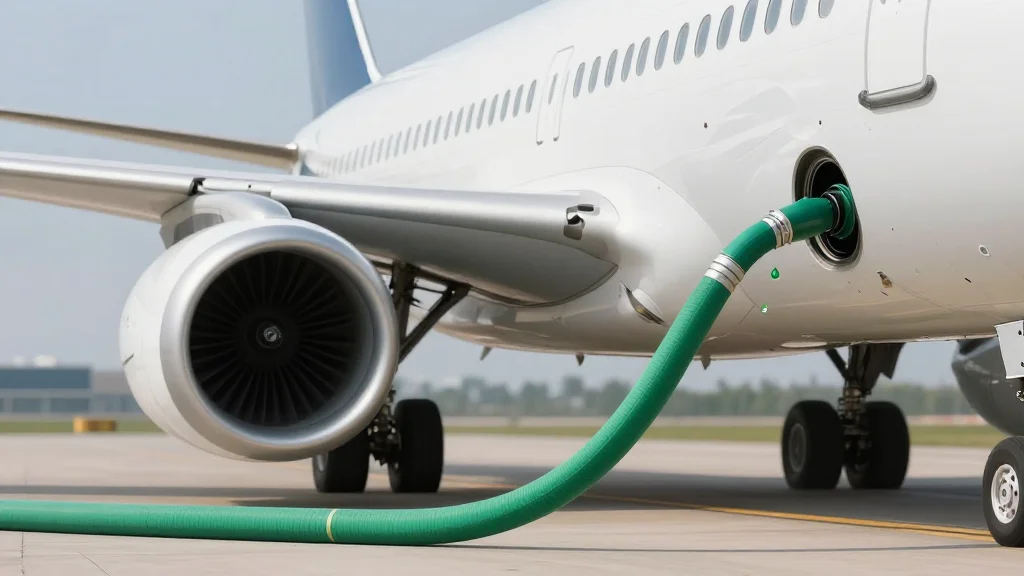
Indian Oil Partners with M11 Energy Transition on $110M SAF Joint Venture
Participants
Why It Matters
The mandate forces rapid scaling of SAF production, reshaping India’s aviation fuel market and creating new revenue streams for oil refiners while reducing carbon intensity. It also highlights the strategic importance of secure, low‑cost feedstock and the need for infrastructure investment.
Key Takeaways
- •India mandates 1% SAF blend by 2027, rising to 5% by 2030
- •BPCL and IOC secure ISCC CORSIA certification for UCO‑based SAF
- •IOC’s 35,000‑t/yr UCO SAF project delayed to H2 2026
- •HEFA and ATJ projects target up to 800,000 t/yr SAF capacity
- •Domestic UCO collection infrastructure lacking; imports from China, SE Asia explored
Pulse Analysis
India’s upcoming SAF blending mandate reflects a broader global push to decarbonise aviation, a sector responsible for roughly 2% of worldwide CO₂ emissions. By setting a 1% blend requirement for 2027 and scaling to 5% by 2030, the government aims to align with the International Civil Aviation Organization’s CORSIA goals while fostering a domestic bio‑fuel industry. This policy creates a clear market signal for refiners, investors, and logistics providers, accelerating the rollout of certification‑approved plants and encouraging early‑stage commercial contracts.
The biggest hurdle remains feedstock availability. Used cooking oil (UCO) and food‑waste oil (FWO) are the cheapest SAF precursors, yet India’s collection network is still embryonic, relying on ad‑hoc agreements with hotels and households. Prices for imported FWO hover around $1,200 per tonne, only $5‑10 above UCO, making overseas sourcing attractive for plants in free‑trade zones. Simultaneously, the country’s abundant ethanol surplus offers an ATJ route, though higher processing costs could limit airline uptake until economies of scale materialise.
Project pipelines are diversifying across technologies. IOC’s delayed 35,000‑tonne UCO plant, BPCL’s upcoming ISCC‑certified facility, Essar’s massive 800,000‑tonne HEFA complex, and LanzaJet‑backed ATJ ventures together could supply well over a million tonnes of SAF annually by the decade’s end. These investments, backed by both domestic capital and foreign partnerships, signal a maturing ecosystem that could position India as a leading SAF producer in Asia, provided the government continues to streamline feedstock logistics and incentivise low‑carbon fuel adoption.
Deal Summary
Indian Oil (IOC) approved a joint venture with M11 Energy Transition to develop a $110 million sustainable aviation fuel (SAF) project in Paradip, Odisha, using the HEFA pathway. The partnership aims to boost domestic SAF production ahead of India's mandatory 1% blending target by 2027. The deal marks a significant corporate investment in India's emerging SAF sector.
Comments
Want to join the conversation?
Loading comments...