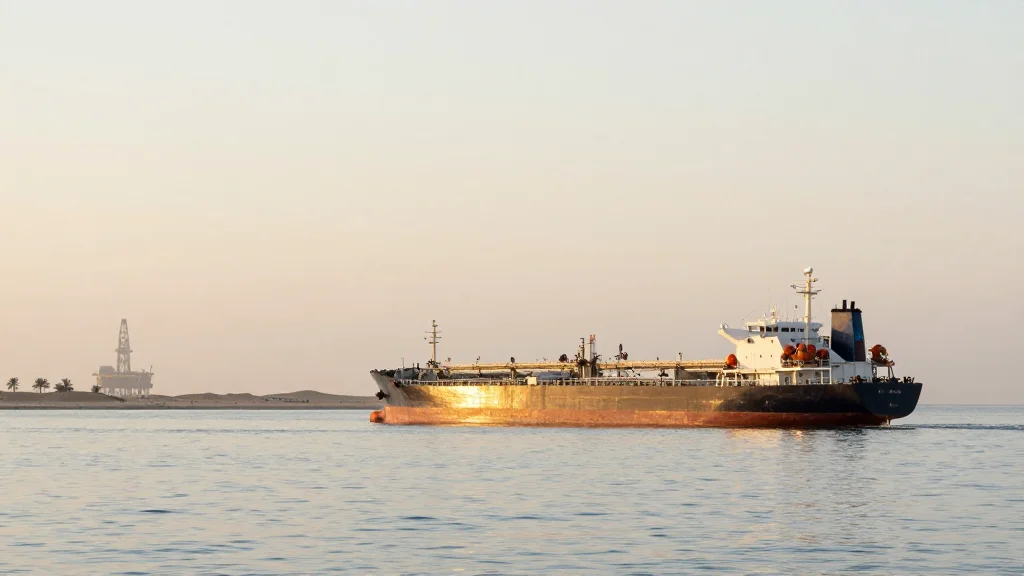
India Urges Iran to Speed up Oil Cargo Shipments Amid Ceasefire Window
Why It Matters
The delay hampers India's energy security and keeps global oil markets volatile, highlighting the strategic importance of Hormuz for fuel supply chains.
Key Takeaways
- •16 India‑flagged vessels remain stranded in Persian Gulf
- •Cease‑fire offers two‑week window to rebuild fuel stocks
- •Brent fell to $91, but spot prices stayed $130‑140
- •Iran may levy fees on strait transits, complicating navigation
- •Full normalization could take three months due to insurance, logistics
Pulse Analysis
The Strait of Hormuz has long been a chokepoint for global energy flows, and the recent Israel‑Lebanon flare‑up threatened to shut it completely. A tentative cease‑fire brokered by the United States opened a narrow two‑week window for India to move oil and gas cargoes that are currently stuck in Iranian waters. New Delhi’s shipping ministry is urging Tehran to accelerate releases so that Indian‑flagged tankers can unload, turn around, and replenish domestic fuel reserves before the truce potentially collapses. The timing aligns with India's fiscal year planning for fuel subsidies.
Despite the diplomatic opening, logistics remain a bottleneck. Sixteen India‑flagged vessels and dozens of LPG carriers are still anchored in the Persian Gulf, while an estimated 800 ships are caught in the broader region. Limited insurance coverage, a shortage of available hulls, and loading constraints mean that even when vessels receive clearance, they risk being stranded again. Consequently, Indian refiners can only expect a gradual recovery, with Brent futures sliding to $91 per barrel but spot prices stubbornly hovering between $130 and $140. These constraints also pressure charter rates, pushing them to multi‑year highs.
India’s push for unimpeded navigation reflects its broader energy security strategy, as the country imports roughly 80 % of its oil demand. Tehran’s suggestion of a levy on transiting ships adds a fiscal layer to the already complex negotiations, while Washington’s stance appears peripheral to New Delhi’s immediate concerns. If the cease‑fire holds and shipments resume, Indian refiners could stabilize inventories and ease price pressure, but the three‑month timeline for full normalization underscores the fragility of supply chains that depend on a single maritime corridor. Long‑term, India may diversify routes through the Red Sea to mitigate future disruptions.
India urges Iran to speed up oil cargo shipments amid ceasefire window
Comments
Want to join the conversation?
Loading comments...