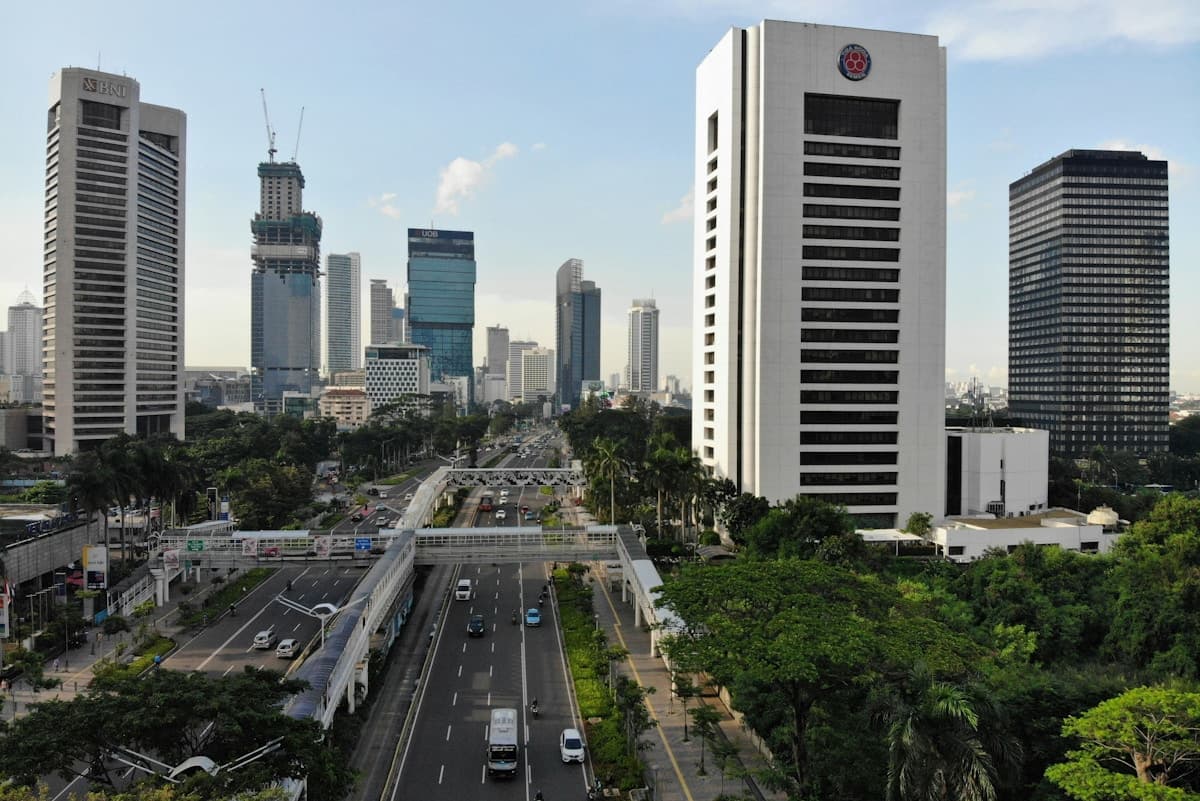
Indonesia Ends Nationwide EV Tax Breaks, Shifts Control to Regions
Why It Matters
Variable regional taxes could fragment the market, deter manufacturers, and weaken Indonesia’s push to reduce fuel imports and meet climate targets.
Key Takeaways
- •Nationwide EV tax breaks replaced by province‑controlled rates
- •EVs now face Motor Vehicle Tax and title transfer fees
- •Tax rates likely to differ between regions, creating market unevenness
- •Analysts label the move a regulatory regression for investors
- •Indonesia still aims for 600,000 EVs annually by 2030
Pulse Analysis
Indonesia’s decision to scrap the centralised zero‑tax regime for electric vehicles marks a decisive policy pivot. The previous incentive, which effectively eliminated the Motor Vehicle Tax (PKB) and title‑transfer fee (BBNKB) on EVs, was a cornerstone of the government’s strategy to accelerate domestic production and curb fuel imports. With a target of 600,000 EVs a year by 2030, the country has attracted significant foreign investment in battery plants and charging infrastructure, positioning itself as Southeast Asia’s emerging EV hub.
The new decentralised model hands tax‑setting power to the 34 provinces, allowing each to balance fiscal needs against environmental goals. While some wealthier regions may maintain low or zero rates to preserve competitiveness, others facing budget pressures could impose higher taxes, creating a patchwork of incentives. This variability introduces regulatory risk for automakers and component suppliers, who now must navigate divergent cost structures. Analysts from the Institute for Essential Services Reform warn that such uncertainty could stall new factory commitments, delay consumer uptake, and erode investor confidence at a critical growth stage.
Looking ahead, the success of Indonesia’s EV ambition will hinge on the consistency of regional policies and the speed of national guidance. If provinces coordinate to offer comparable incentives, the market could retain momentum and continue attracting capital for battery gigafactories and grid upgrades. Conversely, a fragmented approach may push manufacturers to favour markets with clearer, nation‑wide support, such as Thailand or Vietnam. Policymakers are therefore urged to issue a unified framework that sets minimum incentive thresholds while allowing local tailoring, ensuring the country’s climate objectives and economic aspirations remain aligned.
Indonesia ends nationwide EV tax breaks, shifts control to regions
Comments
Want to join the conversation?
Loading comments...