Iran War Derails India’s IMEC & INSTC Trade Routes: Hormuz Closure Pauses Delhi’s Connectivity Ambitions
Why It Matters
India’s ability to diversify away from vulnerable maritime chokepoints and lower freight costs is now contingent on geopolitical calm, affecting trade competitiveness and strategic autonomy.
Key Takeaways
- •Hormuz closure stalls IMEC link between India, UAE, and Israel
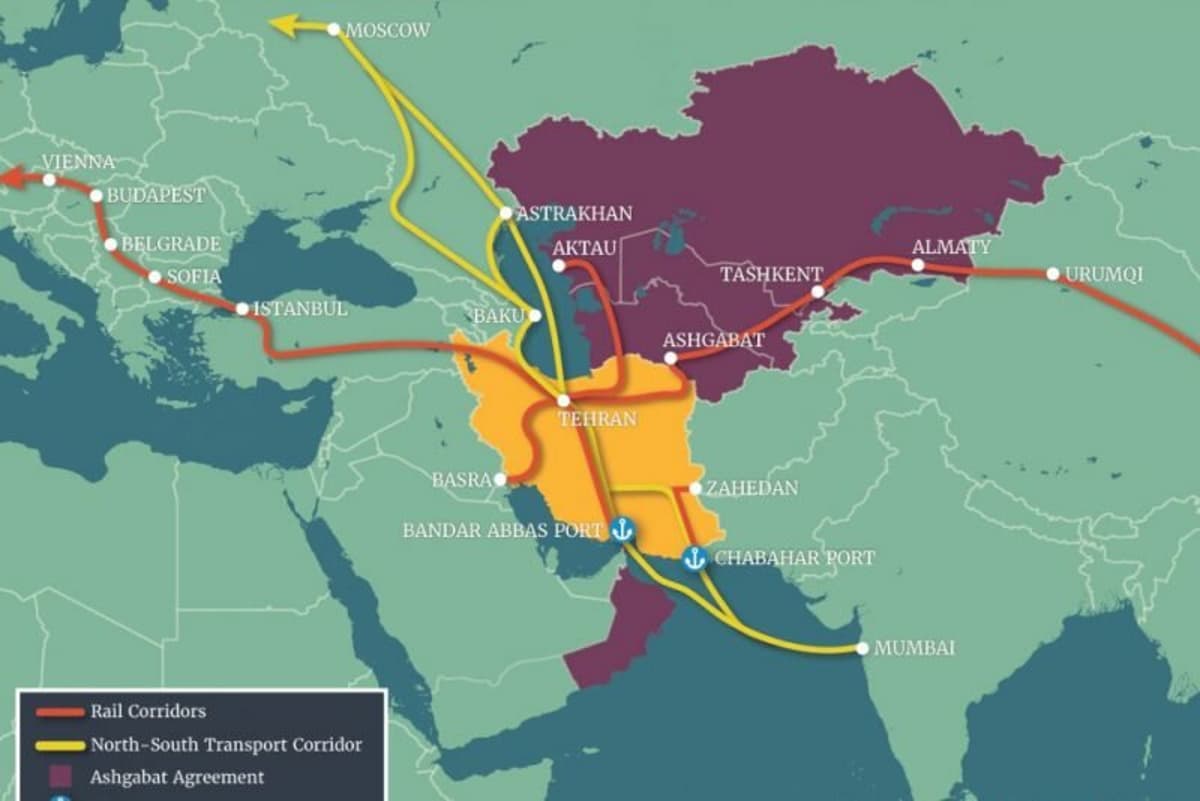
- •INSTC progress stalls as Iran war disrupts Chabahar port access
- •Fujairah remains viable Gulf hub, but 300 km rail gap persists
- •Northern Sea Route offers 22% distance cut, 30‑40% cost savings
- •Geopolitics again outweighs geoeconomic corridor ambitions in South Asia
Pulse Analysis
The Middle East’s flashpoint has resurfaced the strategic calculus of global supply chains. With the Strait of Hormuz—through which roughly 20% of the world’s petroleum passes—effectively sealed, India’s bid to bypass the Suez and Malacca corridors faces an immediate roadblock. The IMEC, unveiled at the 2023 G20 summit, was designed to stitch together Indian ports, UAE terminals, and a rail‑road spine to Israel and Europe. Its success hinges on seamless maritime‑rail integration via Fujairah and a 300‑kilometre rail stretch linking Saudi Arabia’s Haradh to the UAE, both of which are now mired in security uncertainty.
The INSTC, a 7,200‑kilometre multimodal network linking India, Iran, Russia and Europe, promised a 30% cost reduction and a 40% cut in transit time compared with the traditional Suez route. Iran’s Chabahar port, a linchpin for the corridor, is now under siege, amplifying sanctions‑related financing gaps and delaying critical infrastructure upgrades. Even with the Etihad Rail network already spanning the seven Emirates, the missing Saudi‑to‑UAE segment and the Jordan‑Israel rail link remain unrealized, underscoring how geopolitical volatility can freeze even partially built projects.
In response, global shippers are eyeing the Russian Arctic’s Northern Sea Route, which can shave up to 2,800 nautical miles from Shanghai‑Rotterdam voyages and trim freight costs by 30‑40%. While the NSR offers a climate‑dependent alternative, its viability hinges on ice‑breaker capacity and geopolitical alignment with Moscow and Beijing. For India, the immediate lesson is to hedge against single‑point failures by diversifying port usage, accelerating domestic rail upgrades, and cultivating partnerships beyond the volatile Gulf. Until diplomatic tensions ease, the IMEC and INSTC will remain aspirational, and India’s trade strategy will continue to wrestle with the tug‑of‑war between geoeconomics and geopolitics.
Iran War Derails India’s IMEC & INSTC Trade Routes: Hormuz Closure Pauses Delhi’s Connectivity Ambitions
Comments
Want to join the conversation?
Loading comments...