Iran War Redraws Sea Routes with Africa as the Pivot
Companies Mentioned
Why It Matters
Rerouting adds weeks and costs to supply chains, squeezing margins and reshaping trade‑flow economics for shippers and port economies worldwide.
Key Takeaways
- •Jeddah port congestion rises as Asian ships reroute via Africa
- •Cape of Good Hope traffic tripled versus 2023 levels
- •Freight rates up 14% and fuel use up 30‑50%
- •Egypt lost over $7 billion in Suez Canal tolls
Pulse Analysis
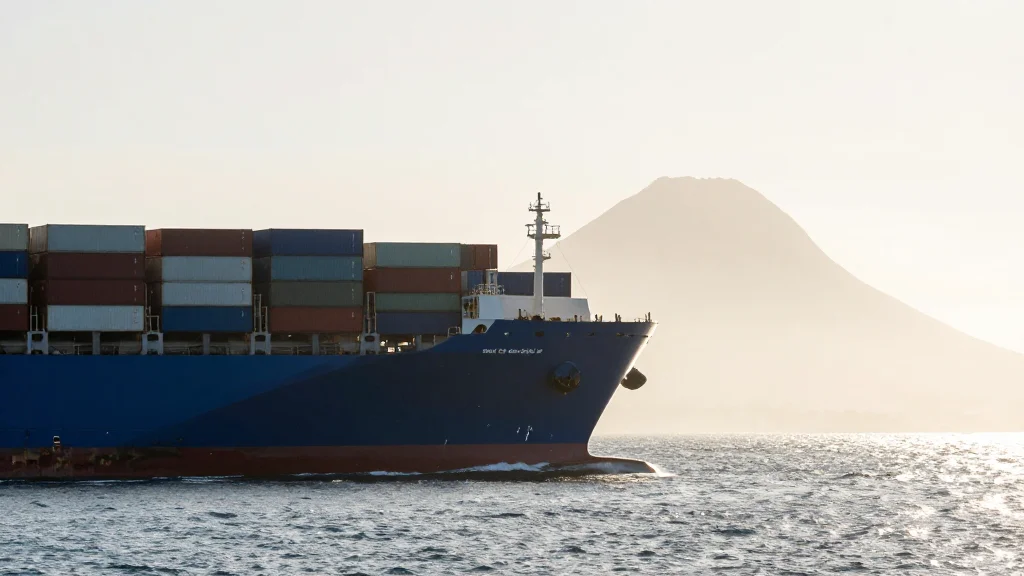
The Iran‑driven conflict has upended traditional maritime corridors, prompting carriers to abandon the Red Sea and the vulnerable Bab al‑Mandeb strait. Instead, vessels hug Africa’s eastern shoreline, rounding the Cape of Good Hope before re‑entering the Mediterranean. This shift, already evident in Kpler’s data, reflects a strategic response to security threats and the closure of the Strait of Hormuz, turning Africa into a pivotal transit hub for Asia‑Europe trade.
Logistics operators are scrambling to adapt. The Saudi port of Jeddah, ill‑equipped for the surge, now sees ships queuing for up to 36 hours, while land corridors ferry containers to Gulf markets via desert highways. Alternative maritime gateways—Oman’s Sohar, UAE’s Khorfakkan and Fujairah, Jordan’s Aqaba, and a Turkish corridor into northern Iraq—are being leveraged to maintain supply‑chain continuity. However, the longer sea leg adds roughly two weeks to voyages and forces shippers to deploy 10‑20 percent more vessels, inflating operational costs.
The broader economic fallout is stark. Freight indices show a 14 percent price hike for a standard 40‑foot container, and fuel consumption spikes by 30‑50 percent. While African ports such as Tanger Med enjoy an 8.4 percent container volume rise, Egypt faces a $7 billion shortfall in Suez Canal tolls, eroding a key revenue stream. The realignment underscores the fragility of chokepoint‑dependent trade routes and may accelerate investments in diversified logistics networks and alternative energy‑efficient shipping solutions.
Iran war redraws sea routes with Africa as the pivot
Comments
Want to join the conversation?
Loading comments...