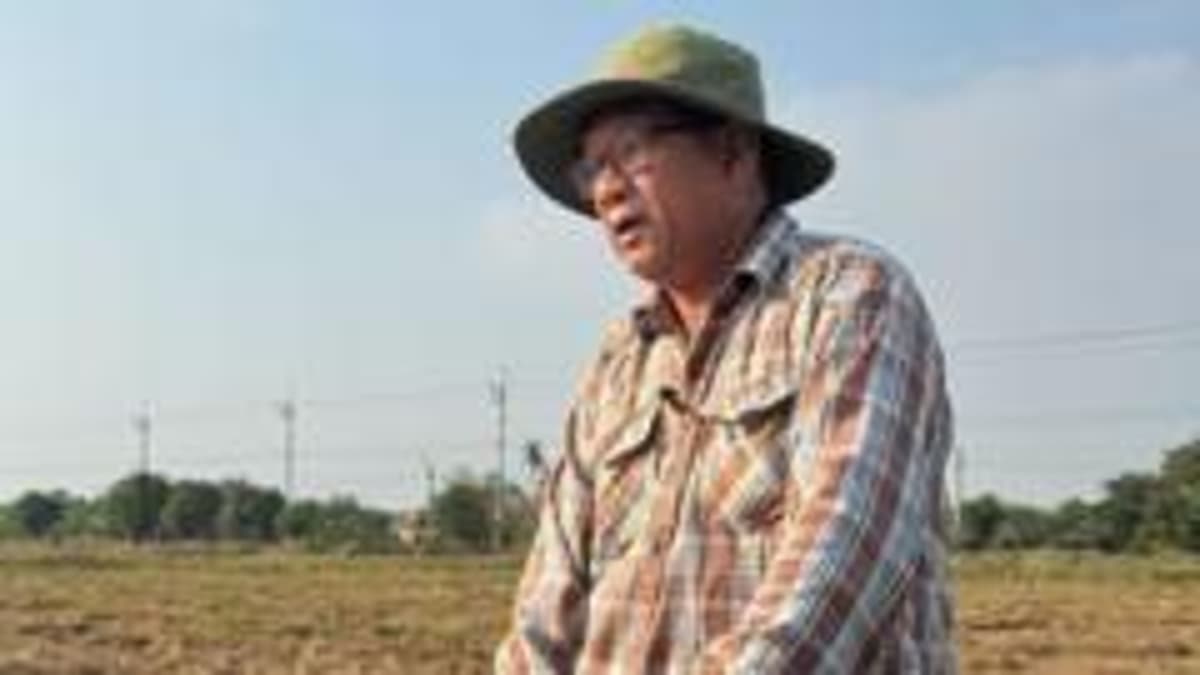
It's Not Just Oil: Iran War Also Threatens Asia's Food Security
Why It Matters
The fertiliser shortage threatens Asia’s staple rice output, raising food‑price volatility and hunger risk across the world’s most populous region.
Key Takeaways
- •Fertiliser prices in Thailand rose to ~1,100 baht ($30) per sack.
- •China halted 50‑80% of fertiliser exports after Hormuz closure.
- •Vietnam sourced over 480,000 t of Chinese fertiliser in Q1 2026.
- •Philippines relies on China for 75% of its fertiliser needs.
- •UNWFP warns 45 million extra people could face acute hunger in 2026.
Pulse Analysis
The conflict that erupted after the United States and Israel struck Iran in February quickly escalated into a global fertiliser crisis. The Strait of Hormuz, a chokepoint for about one‑third of the world’s seaborne fertiliser trade, was effectively closed, halting shipments of urea and other nitrogen products. With supply routes severed, buyers turned to China, the planet’s largest fertiliser producer, only to find Beijing tightening export controls to protect its own grain‑security agenda. The dual shock of a blocked maritime corridor and a major export ban has sent fertiliser prices soaring, especially in Thailand where a sack now costs roughly $30, up from $22‑$24 a month earlier.
China’s decision to curb 50‑80% of its fertiliser exports reflects a broader policy push for self‑sufficiency after a 2023 food‑security law mandated domestic targets. By restricting outbound shipments, Beijing aims to keep domestic prices stable, but the move ripples across Southeast Asia, where nations like Vietnam, the Philippines and Thailand depend heavily on Chinese imports. Vietnam alone imported more than 480,000 tonnes of Chinese fertiliser in the first quarter of 2026, while the Philippines sources three‑quarters of its fertiliser from China. The loss of both Gulf‑origin shipments and Chinese supplies leaves these economies scrambling for alternatives, often at higher cost and lower quality.
The agricultural fallout will manifest later in the year when planting decisions made now translate into actual harvests. Rice farmers facing unaffordable fertiliser are already opting out of planting, threatening the region’s ability to meet its staple‑food demand. The UN World Food Programme projects that the combined effects of the Middle‑East conflict could push 45 million more people into acute hunger in 2026, with Asia and the Pacific seeing a 24% rise in food insecurity—the steepest regional increase worldwide. Market analysts warn that reduced rice output will tighten global supplies, potentially spiking rice prices and amplifying inflationary pressures in economies already grappling with post‑pandemic recovery.
It's not just oil: Iran war also threatens Asia's food security
Comments
Want to join the conversation?
Loading comments...