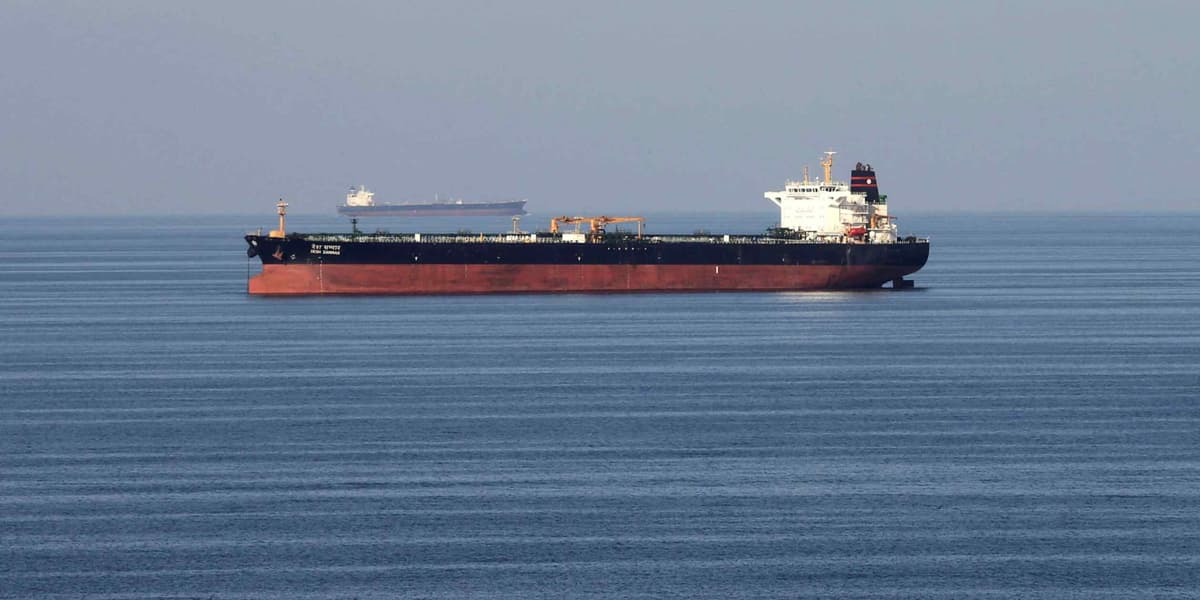
Japan Shipping Group Says Strait of Hormuz Closed to Energy, Other Traffic
•March 1, 2026
0
Why It Matters
The restriction threatens to tighten global oil supplies and push freight rates higher, amplifying price volatility across energy markets. It also heightens operational and insurance costs for carriers navigating the Middle East.
Key Takeaways
- •Iranian Navy bans all vessels in Strait of Hormuz
- •Japan's top shipping group confirms closure to energy cargoes
- •Global oil transport faces rerouting, higher freight costs
- •LNG shipments may shift to alternative routes, delaying deliveries
- •Regional tensions raise insurance premiums for Middle East voyages
Pulse Analysis
The Strait of Hormuz has long been the chokepoint through which roughly a fifth of the world’s petroleum passes. When the Iranian Navy imposes a blanket ban, the immediate impact is felt in the freight market, where charter rates for tankers surge as operators scramble for alternative passages around the Cape of Good Hope or via the Red Sea. These detours add days to voyages, inflate fuel consumption, and compress profit margins, prompting ship owners to renegotiate contracts and pass costs onto downstream buyers.
Beyond logistics, the closure reverberates through global energy pricing. Crude and LNG markets are highly sensitive to supply disruptions; even a brief interruption can trigger speculative buying, tightening spreads and nudging spot prices upward. Analysts anticipate that refiners and utilities will tap strategic reserves and hedge more aggressively, while traders may redirect cargoes to less volatile routes, reshaping regional supply dynamics. The ripple effect extends to downstream industries that rely on stable feedstock costs, potentially slowing manufacturing output in energy‑intensive economies.
For the broader maritime sector, heightened geopolitical risk translates into steeper insurance premiums and stricter compliance requirements. War risk clauses, previously limited to high‑threat zones, are now being expanded to cover the entire Hormuz corridor. Companies are also investing in real‑time threat monitoring and alternative routing software to mitigate exposure. In the long term, sustained closures could accelerate diversification of energy transport infrastructure, including increased investment in pipelines and floating storage units, as stakeholders seek to reduce reliance on a single, vulnerable maritime artery.
Japan shipping group says Strait of Hormuz closed to energy, other traffic
0
Comments
Want to join the conversation?
Loading comments...