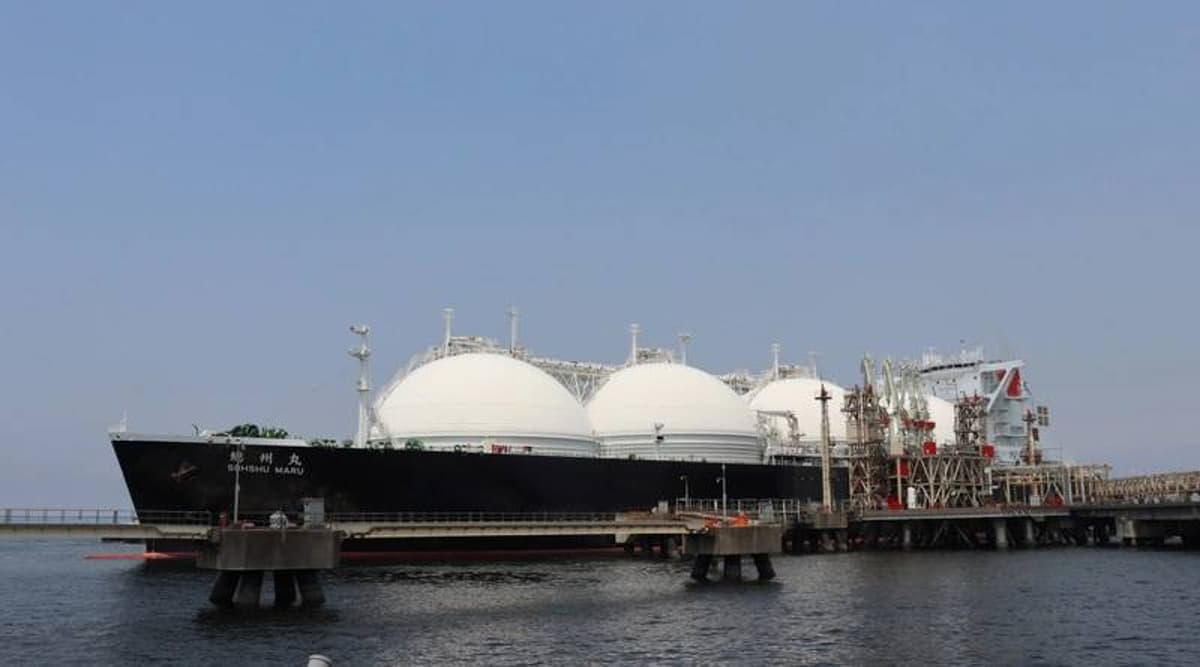
JERA Takes Delivery of First LNG Cargo From Australia's Barossa Gas Project
Companies Mentioned
Why It Matters
The new Barossa supply strengthens Japan’s energy security by adding a reliable Asian‑Pacific source, reducing reliance on any single region and cushioning the power generator against price spikes and supply disruptions.
Key Takeaways
- •JERA receives first Barossa LNG cargo at Futtsu terminal
- •Barossa project delivers 3.4 Mt annually, 425 k t for JERA
- •Supply adds to JERA’s portfolio alongside Wheatstone and Scarborough
- •Diversified Asian‑Pacific LNG reduces Japan’s exposure to supply shocks
Pulse Analysis
JERA’s receipt of the inaugural Barossa LNG cargo marks a pivotal moment for Japan’s largest power generator, which has been actively expanding its upstream footprint to lock in long‑term fuel supplies. The Barossa development, situated off Australia’s Northern Territory, is engineered for a 3.4‑million‑tonne annual output, positioning it among the region’s most sizable projects. By securing a 425,000‑tonne entitlement, JERA not only diversifies its feedstock base but also leverages its Australian subsidiary’s operational expertise, aligning with the company’s broader goal of end‑to‑end value‑chain control.
Energy security remains a top priority for Japan, which imports over 90% of its primary energy. In a market characterized by price volatility and geopolitical risk, a multi‑regional LNG portfolio offers a hedge against supply shocks. JERA’s statement highlights the strategic importance of the Asia‑Pacific corridor, where proximity reduces shipping costs and transit times compared with Middle‑East or U.S. sources. The Barossa cargo complements existing contracts from Wheatstone and the soon‑to‑be‑operational Scarborough field, creating a more resilient supply matrix that can be flexibly allocated to meet fluctuating demand.
The broader industry watches JERA’s move as a signal of shifting investment patterns toward Australian offshore gas assets, which have attracted capital due to stable regulatory frameworks and proximity to high‑growth Asian markets. As other utilities and trading houses seek similar diversification, competition for project equity may intensify, potentially driving up contract prices but also spurring further development of new basins. For investors, JERA’s expanding LNG footprint suggests confidence in sustained demand for gas‑fired power generation in Japan, even as the country pursues decarbonization pathways, making the Barossa acquisition a noteworthy case study in balancing energy transition goals with reliable baseload supply.
JERA Takes Delivery of First LNG Cargo from Australia's Barossa Gas Project
Comments
Want to join the conversation?
Loading comments...