Kazakhstan’s Railway Company to Start Its Own Caspian Fleet to Boost Middle Corridor
Companies Mentioned
Why It Matters
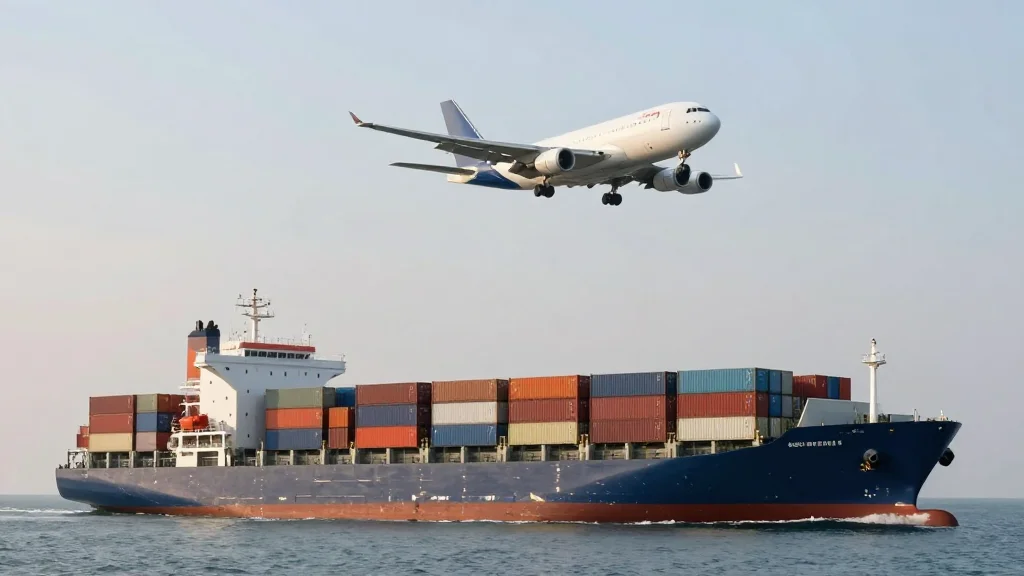
By linking rail, sea, and air, Kazakhstan can capture higher value in trans‑Eurasian trade, reducing bottlenecks and attracting more freight through the Middle Corridor.
Key Takeaways
- •KTZ orders six 537‑TEU multipurpose vessels from China and Azerbaijan
- •Fleet will serve Caspian and Black Sea legs of Middle Corridor
- •KTZ Express targets launch of 10‑jet cargo airline by early 2026
- •Kazakhstan backs logistics push with $640 million grain‑processing plant investment
Pulse Analysis
The Middle Corridor—linking China’s Belt and Road rail network to Europe via the Caspian Sea—has become a strategic alternative to the congested Black Sea‑Mediterranean route. Kazakhstan, sitting at the corridor’s core, is leveraging its state‑owned railway, KTZ, to become the linchpin that synchronizes rail, maritime, and air transport. By adding a dedicated fleet of six vessels, KTZ can move containers directly from inland terminals to ports on the Caspian and Black Seas, cutting handling times and offering shippers a seamless door‑to‑door solution.
The new vessels, built by China’s Jiangsu Haizhongzhou and Azerbaijan’s Baku Shipyard, each carry 537 TEU, a capacity that aligns with KTZ’s existing rail wagons. This parity enables a true intermodal flow where rail containers can be transferred onto ships without repacking, boosting efficiency and lowering costs. Moreover, the partnership with Chinese and Azerbaijani shipbuilders underscores Kazakhstan’s broader push to diversify its supply chain partners, reducing reliance on any single corridor and enhancing resilience against geopolitical disruptions.
Beyond ships, KTZ Express’s plan for a ten‑jet cargo airline signals an ambition to offer end‑to‑end logistics, from inland factories to European and Asian markets within days. The air cargo push dovetails with other national initiatives, such as the $640 million grain‑processing plant and a record 2.2 million tons of feed‑meal exports to China, highlighting a coordinated strategy to monetize Kazakhstan’s agricultural surplus. As the country positions itself as a multimodal hub, it stands to attract foreign investment, increase transit revenues, and solidify its status as a pivotal gateway between Europe and Asia.
Kazakhstan’s railway company to start its own Caspian fleet to boost Middle Corridor
Comments
Want to join the conversation?
Loading comments...