Logistics Leaders Navigate Cost and Automation
Companies Mentioned

Why It Matters
Effective cost control and targeted automation are critical for maintaining margins in an increasingly demanding supply‑chain environment. Companies that align technology spend with clear ROI will outpace competitors as labor scarcity intensifies.
Key Takeaways
- •Cost‑to‑serve models essential for profitable same‑day delivery.
- •Manual spreadsheets are obsolete; real‑time tracking improves disruption response.
- •Only 13% of logistics firms have fully deployed AI, lagging peers.
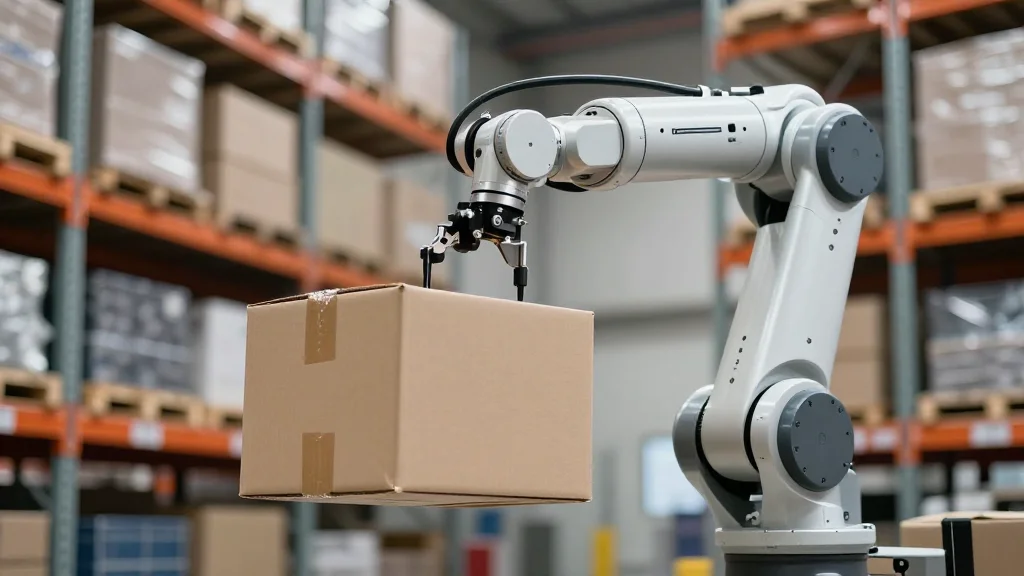
- •By 2030, half of new warehouses will be robot‑centric, reducing labor demand.
- •Customization pressures force warehouses to redesign infrastructure for varied product shapes.
Pulse Analysis
The logistics sector now faces a perfect storm of cost volatility, heightened consumer expectations, and a shrinking labor pool. Executives are turning to cost‑to‑serve analytics to quantify the true expense of premium services such as same‑day delivery. By segmenting customers and matching service levels to product value, firms can protect margins while still meeting demand. Transparent communication between logistics managers and corporate leadership is becoming a strategic imperative, ensuring that cost realities are factored into growth plans.
Technology adoption is evolving from a wish‑list to a disciplined, ROI‑driven process. Real‑time shipment visibility has moved beyond spreadsheet emails, yet companies risk overspending on tracking platforms without clear use cases. Gartner’s data shows only 13% of logistics leaders have fully integrated AI, underscoring a cautious approach. Targeted pilots—like Unilever’s agentic AI that boosted logisticians’ productivity by 50%—demonstrate how focused investments can deliver measurable gains without the waste of large‑scale rollouts.
Looking ahead, automation will reshape warehouse design and labor dynamics. Gartner predicts that by 2030 half of new warehouses in developed markets will be robot‑centric, making human labor optional for many tasks. This shift demands retrofitting facilities to accommodate industrial robots and rethinking workflows for customized, irregular items that traditional automation struggles with. Companies that proactively redesign infrastructure and blend standardization with customization will be better positioned to meet the “Amazon experience” expectations while controlling costs in a labor‑tight future.
Logistics Leaders Navigate Cost and Automation
Comments
Want to join the conversation?
Loading comments...