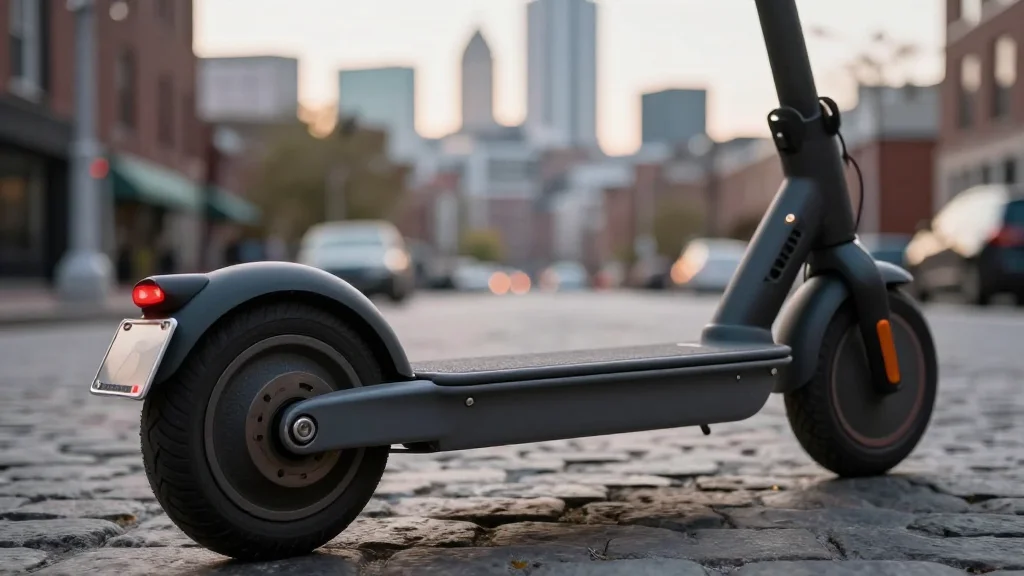
Massachusetts Proposes License Plates, Insurance Requirement for E-Bikes, Scooters
Why It Matters
The proposal seeks to curb safety risks while generating new revenue streams, signaling a shift toward formal regulation of micromobility across the U.S. Its passage could set a template for other states grappling with rapid e‑bike and scooter adoption.
Key Takeaways
- •Tier 3 micromobility devices over 41 mph need plates, insurance.
- •License plates and registration start Jan 2028 if bill passes.
- •Tier 2 and 1 e‑bikes face lane restrictions and helmet rules.
- •Gov. Healey aims to improve safety and revenue from micromobility.
Pulse Analysis
Micromobility has exploded in Massachusetts, with e‑bike and scooter trips climbing over 30% annually since 2022. The surge has been accompanied by a rise in collisions involving pedestrians and motorists, prompting city officials to call for clearer accountability. While many municipalities have relied on voluntary safety campaigns, the lack of a uniform registration system leaves insurers and law‑enforcement without reliable data on vehicle ownership and usage patterns.
S.3077 introduces a tiered framework that mirrors approaches seen in California and New York. Tier 3 devices—capable of 41 mph or more—must display a state‑issued plate, carry liability coverage and are barred from bike lanes, aligning them more closely with traditional motor vehicles. Tier 2 and Tier 1 e‑bikes remain classified as bicycles but will face stricter lane‑use rules and a helmet mandate for riders under 16. The bill also proposes an annual registration fee, projected to generate several million dollars in state revenue, which could be earmarked for bike‑lane maintenance and safety education.
If Massachusetts adopts the measure, it could accelerate a national trend toward formal micromobility regulation. Industry groups have expressed concern that added costs might dampen consumer adoption, yet early data from jurisdictions with similar rules suggest safety improvements outweigh modest declines in ridership. The legislation also offers a clearer path for insurers to price risk, potentially lowering premiums for compliant riders. As other states watch Massachusetts’ rollout, the bill may become a blueprint for balancing innovation, public safety, and fiscal responsibility in the rapidly evolving micromobility landscape.
Massachusetts proposes license plates, insurance requirement for e-bikes, scooters
Comments
Want to join the conversation?
Loading comments...