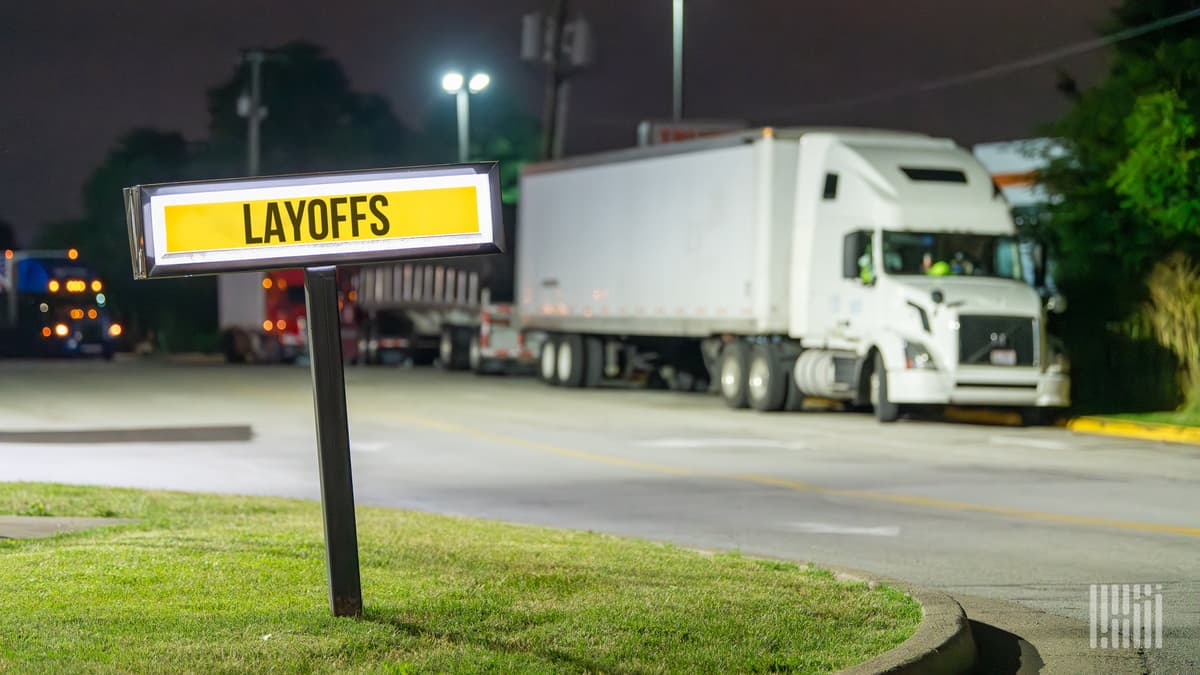
More than 5,100 Freight-Related Layoffs Hit US Supply Chain Sector
Companies Mentioned
Why It Matters
The layoffs signal a broader slowdown in industrial demand and accelerating consolidation within logistics, manufacturing and e‑commerce, reshaping the labor landscape and cost structures of the U.S. supply chain.
Key Takeaways
- •Over 5,100 supply‑chain jobs cut in 20+ states
- •FreshRealm's Chapter 11 triggers >1,000 layoffs, plant closures
- •Amazon pauses a 1.3 M‑sq‑ft Florida fulfillment center, 616 jobs
- •Auto parts makers cut nearly 600 positions amid production slowdown
- •Third‑party logistics firms lose hundreds of jobs after contract losses
Pulse Analysis
The recent spate of freight‑related layoffs underscores how lingering post‑pandemic headwinds are reshaping the U.S. supply‑chain ecosystem. Companies that expanded capacity during the COVID‑driven surge now face a stark mismatch between infrastructure and demand. Weakening industrial orders, tighter consumer spending, and the gradual shift toward near‑shoring have forced firms to trim staff and shutter underutilized facilities. This trend is evident across a spectrum of sectors—from food‑service distributors to heavy‑equipment manufacturers—highlighting a systemic recalibration rather than isolated cutbacks.
FreshRealm’s Chapter 11 filing epitomizes the cascading effects of product‑safety crises on logistics networks. The ready‑to‑eat meal maker’s listeria scare forced the closure of three plants and the loss of more than 1,000 jobs, reverberating through regional warehousing and transportation providers. Similarly, Amazon’s temporary shutdown of its Homestead, Florida fulfillment center reflects a strategic pivot toward modernizing older sites, even at the cost of short‑term employment. Auto‑parts suppliers such as Adient and Yanfeng are also trimming headcount as automakers grapple with inventory corrections and a slowdown in vehicle production, further tightening the labor market for skilled manufacturing talent.
For workers and policymakers, the consolidation wave presents both challenges and opportunities. While immediate job losses strain local economies, the ongoing optimization may spur demand for higher‑skill roles in automation, data analytics, and supply‑chain resilience planning. Companies that successfully integrate technology and flexible labor models could emerge more competitive, potentially offsetting some of the employment shock. Stakeholders should monitor contract renewals, facility retrofits, and broader macroeconomic indicators to gauge the pace of restructuring and its long‑term impact on the U.S. logistics landscape.
More than 5,100 freight-related layoffs hit US supply chain sector
Comments
Want to join the conversation?
Loading comments...