Nestlé Ups Automation Use with Latest Distribution Center
Companies Mentioned
Why It Matters
The high‑tech hub boosts Nestlé’s supply‑chain efficiency and sustainability while supporting aggressive cost‑reduction targets, giving the company a competitive edge in the crowded U.S. consumer‑packaged‑goods market.
Key Takeaways
- •Nestlé invested $330 M in a 700k‑sq‑ft automated Arvin DC.
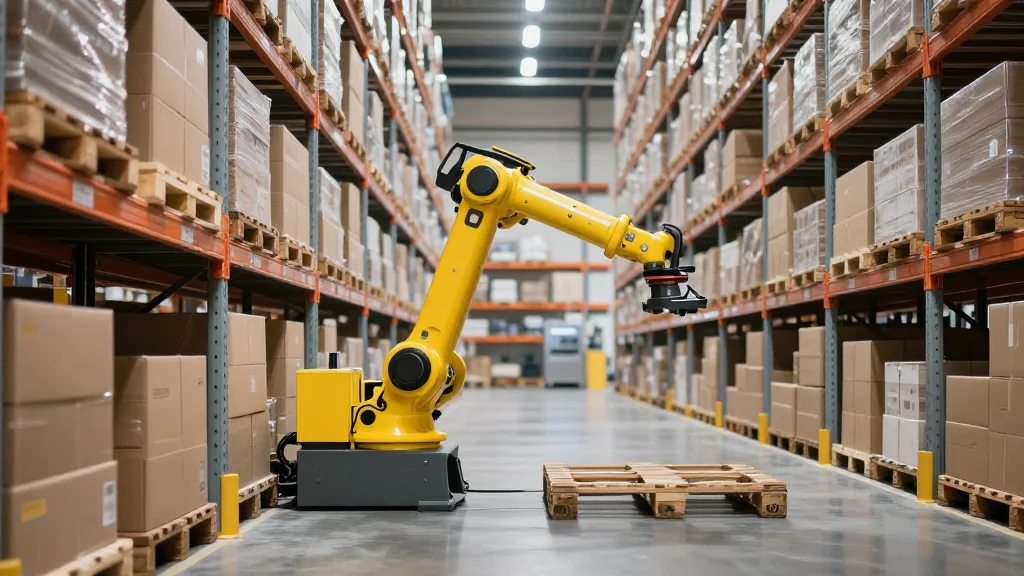
- •Facility features AS/RS cranes, laser‑guided vehicles, and layer‑picking robots.
- •Arvin DC aims for 100% renewable electricity and zero‑waste operations.
- •Automation supports Nestlé’s $3.8 B cost‑cut target amid 16,000 global layoffs.
Pulse Analysis
Automation is reshaping the U.S. consumer‑packaged‑goods landscape, and Nestlé’s new Arvin distribution center exemplifies the scale of that shift. By allocating $330 million to a purpose‑built, 700,000‑square‑foot hub, the company joins peers like Hershey in leveraging robotics, automated storage and retrieval systems (AS/RS), and laser‑guided vehicles to streamline order fulfillment. These technologies reduce manual handling, cut lead times, and enable real‑time inventory visibility, which is critical as retailers demand faster, more reliable deliveries. The Arvin site also serves as a testbed for Nestlé’s global ERP rollout, integrating data across sourcing, production, and distribution.
Beyond speed, Nestlé is using the Arvin facility to advance its sustainability agenda. The center is slated to run on 100% renewable electricity and operate as a zero‑waste site, recycling or composting all waste streams and recovering energy where possible. This aligns with the company’s broader ESG commitments and responds to increasing consumer pressure for greener supply chains. The combination of high‑efficiency automation and renewable power not only lowers operating costs but also reduces the carbon footprint of moving millions of product units across the West Coast.
Strategically, the Arvin investment dovetails with Nestlé’s aggressive cost‑cutting plan, which aims to shave $3.8 billion from the balance sheet by 2027 after a 16,000‑person global workforce reduction. Automation helps achieve those savings by decreasing labor intensity and improving asset utilization, especially during peak demand periods. As competitors such as Hershey double down on decision‑intelligence software and automated delivery units, Nestlé’s purpose‑built, technology‑first facilities position it to capture market share in high‑growth snack and beverage categories while maintaining margin discipline. The success of Arvin will likely inform the design of future U.S. hubs, accelerating the company’s transition to a leaner, more resilient supply chain.
Nestlé ups automation use with latest distribution center
Comments
Want to join the conversation?
Loading comments...