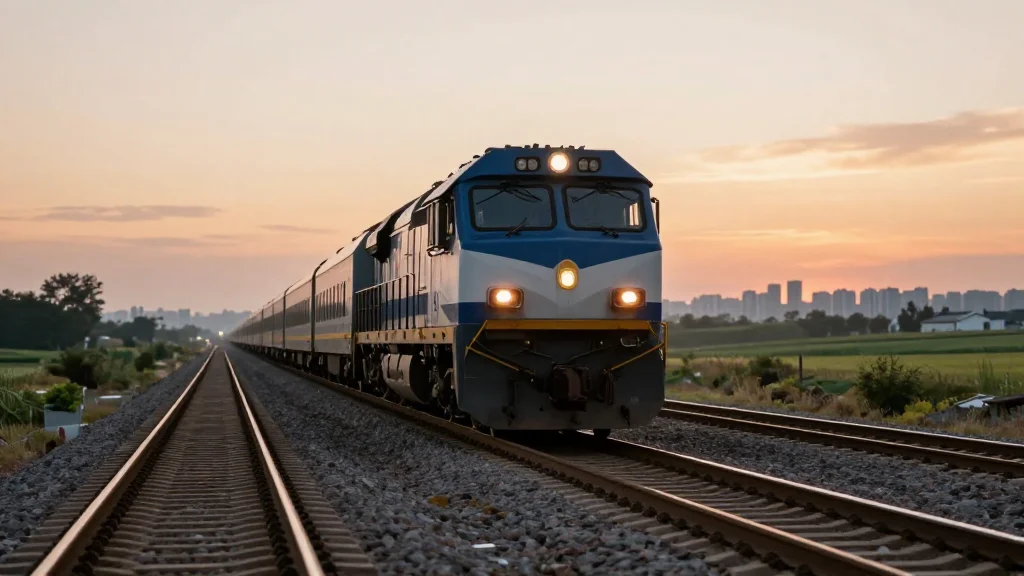
One Big Thing Will Solve Rail’s Growth Problem, Says NS CEO
Companies Mentioned
Why It Matters
A NS‑UP merger would reshape U.S. freight logistics, boosting rail’s competitiveness against trucking and unlocking new volume growth. Successful integration could drive higher operating ratios and stronger earnings for Class I railroads.
Key Takeaways
- •NS and UP aim to merge, creating transcontinental rail network
- •Merger could save 95 hours per car from California to Southeast
- •Industry growth stalled; freight volume down 11% for NS, 15% for UP
- •Hand‑off delays at interchanges hinder scalability for shippers
- •STB approval may take a year; 7,000‑page filing pending
Pulse Analysis
The U.S. rail sector has wrestled with stagnant freight volumes for twenty years, as carriers lost market share to the flexibility of trucking. Norfolk Southern and Union Pacific, the two largest Class I railroads, have each reported double‑digit declines in carloads, forcing cost cuts and workforce reductions. Their CEOs argue that the root cause is a fragmented network that forces railcars to change hands at regional borders, creating unpredictable dwell times and eroding shipper confidence. By consolidating east‑west routes into a single, seamless system, the merger promises to restore the economies of scale that once drove rail’s dominance in the 1980s.
Beyond network rationalization, the merger offers tangible operational gains. Preliminary analyses suggest that a unified NS‑UP corridor could cut transit times by up to 95 hours for shipments traveling from Southern California to the Southeast, turning rail into a viable alternative to long‑haul trucking on high‑value lanes. Faster, more reliable service would reduce inventory costs for manufacturers and retailers, while the larger carrier could negotiate better rates with shippers, potentially lowering overall freight costs. Moreover, a combined entity would wield greater bargaining power with suppliers and regulators, positioning it to invest in advanced signaling, autonomous train technologies, and sustainability initiatives.
Regulatory approval remains the biggest hurdle. The Surface Transportation Board requires a detailed, 7,000‑page application that addresses competition concerns, service continuity, and labor impacts. While the review could extend beyond a year, industry analysts see the merger as a strategic necessity to halt rail’s market share erosion. Investors are watching closely, as a successful consolidation could lift operating ratios well below the current 60% benchmark, boost earnings per share, and reinvigorate dividend growth. In a logistics landscape increasingly focused on speed and reliability, a unified NS‑UP network could become the backbone of America’s freight future.
One Big Thing will solve rail’s growth problem, says NS CEO
Comments
Want to join the conversation?
Loading comments...