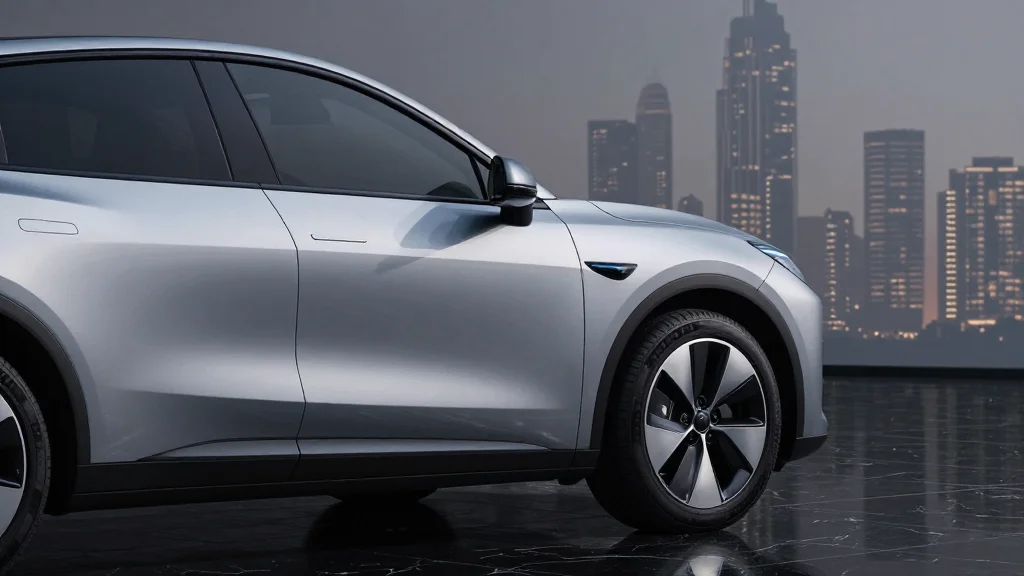
Op-Ed: Chinese EV Brands Overwhelm The Manila Auto Show 2026
Companies Mentioned
Why It Matters
Chinese brand dominance signals a rapid shift in Southeast Asian EV competition, while infrastructure and financing gaps will determine how quickly Philippine consumers move beyond early adoption.
Key Takeaways
- •Chinese EV makers dominate MIAS 2026 exhibitor lineup
- •BEVs, PHEVs, hybrids all showcased amid infrastructure gaps
- •Kia EV5 introduces 88 kWh battery, 550 km range locally
- •Plug‑in hybrids target limited charging by offering long electric range
- •Commercial EVs focus on total cost of ownership for fleets
Pulse Analysis
The Philippines’ push toward electrified mobility is gaining momentum, but the 2026 Manila International Auto Show revealed that the country’s most visible catalyst is the influx of Chinese manufacturers. Brands such as BYD, Geely, and Chery are leveraging distributor networks to flood the market with a broad price ladder, from affordable mass‑market models to premium sub‑brands like Denza. This aggressive entry strategy forces local incumbents to reassess product roadmaps and accelerates the region’s overall EV adoption curve, positioning the Philippines as a testing ground for Chinese export ambitions.
Infrastructure remains the Achilles’ heel of the Philippine EV transition. Public fast‑charging stations are sparse, and grid reliability varies across islands, prompting many automakers to hedge bets with plug‑in hybrids that can travel up to 1,000 km on combined power. Financial institutions are also adapting, offering lease‑to‑own schemes and green loan products to offset higher upfront costs. Meanwhile, dealer networks, traditionally built around internal‑combustion vehicles, are scrambling to acquire the technical expertise and service equipment needed for battery‑electric models, a shift that will influence residual‑value calculations and consumer confidence.
Looking ahead, commercial electrification may provide the first scalable win for the market. Fleet operators value total cost of ownership over brand prestige, and electric trucks and vans from Foton demonstrate viable range for urban logistics. Policymakers are beginning to align incentives—such as tax breaks and preferential registration—toward these high‑utilisation vehicles, which could catalyze broader infrastructure investment. As the next Philippine International Motor Show approaches, the competitive pressure from Chinese brands, coupled with evolving financing and policy support, will likely dictate whether the Philippines leaps into mainstream EV adoption or remains a niche early‑adopter market.
Op-Ed: Chinese EV Brands Overwhelm The Manila Auto Show 2026
Comments
Want to join the conversation?
Loading comments...