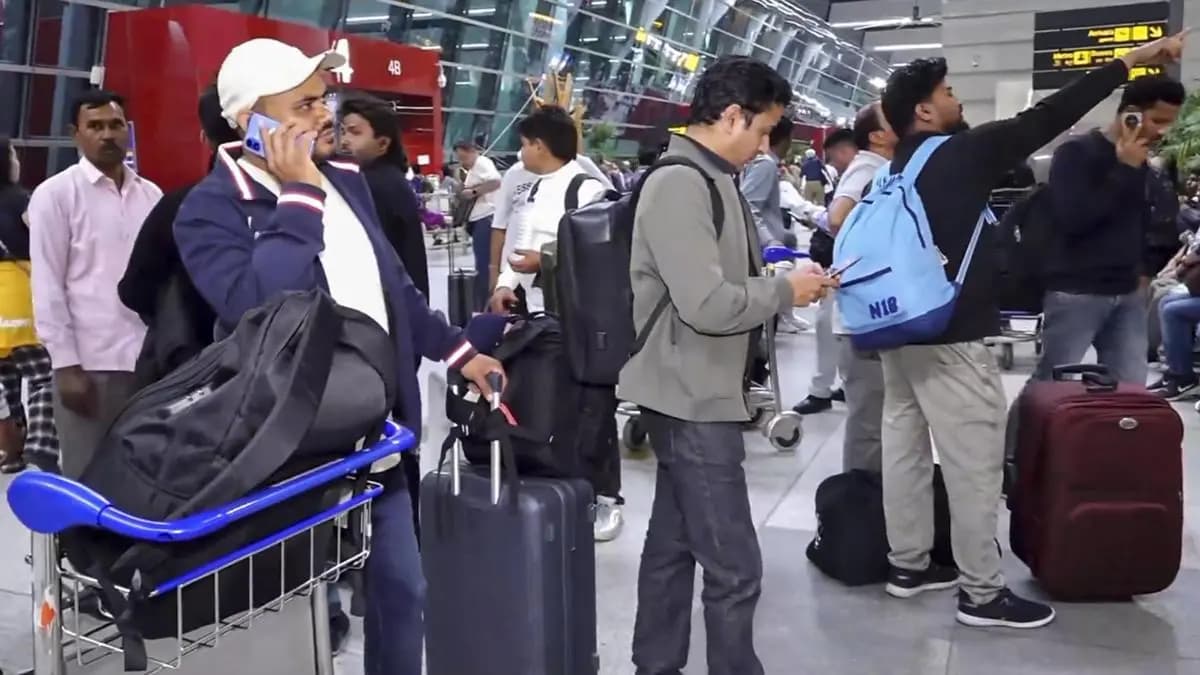
Passengers Stranded at Delhi's IGI Airport Amid Escalated Israel-Iran Conflict
•March 1, 2026
0
Why It Matters
The disruption underscores how geopolitical flashpoints can instantly cripple international aviation networks, affecting airline revenue and passenger confidence. It also highlights the need for robust contingency frameworks within civil aviation authorities.
Key Takeaways
- •444 flights cancelled on March 1, 2026
- •410 domestic flights already cancelled on Feb 28
- •Airspace closures over Iran and Middle East
- •DGCA coordinating with airlines for safety compliance
- •Passengers faced up to 14‑hour delays
Pulse Analysis
The latest escalation between Israel, the United States and Iran has sent shockwaves through global air traffic, with large swaths of Middle‑East airspace declared off‑limits. Airlines that rely on the region’s hub airports are forced to reroute or suspend services, leading to cascading delays far beyond the immediate conflict zone. Delhi’s IGI Airport became a visible flashpoint when stranded travelers gathered outside terminals, illustrating how quickly geopolitical events can translate into operational bottlenecks for carriers worldwide.
In response, India’s Ministry of Civil Aviation and the Directorate General of Civil Aviation (DGCA) moved swiftly, issuing public notices that 410 domestic flights were cancelled on February 28 and projecting an additional 444 cancellations for March 1. The DGCA’s coordination with airlines emphasizes regulatory compliance and passenger safety, yet the prolonged 14‑hour wait times reveal gaps in communication and contingency planning. The economic fallout includes lost revenue for airlines, compensation claims, and ancillary costs for airport services, while travelers face missed connections and disrupted itineraries.
For the broader industry, the incident serves as a reminder that geopolitical risk is a core component of route planning and fleet management. Airlines are likely to invest more in dynamic routing software, diversify hub reliance, and negotiate flexible slot arrangements to mitigate future disruptions. Travelers and corporate travel managers may also demand greater transparency and real‑time updates from carriers. As tensions in the Middle East persist, the aviation sector will need to balance safety imperatives with the commercial pressure to keep global networks humming.
Passengers stranded at Delhi's IGI Airport amid escalated Israel-Iran conflict
0
Comments
Want to join the conversation?
Loading comments...