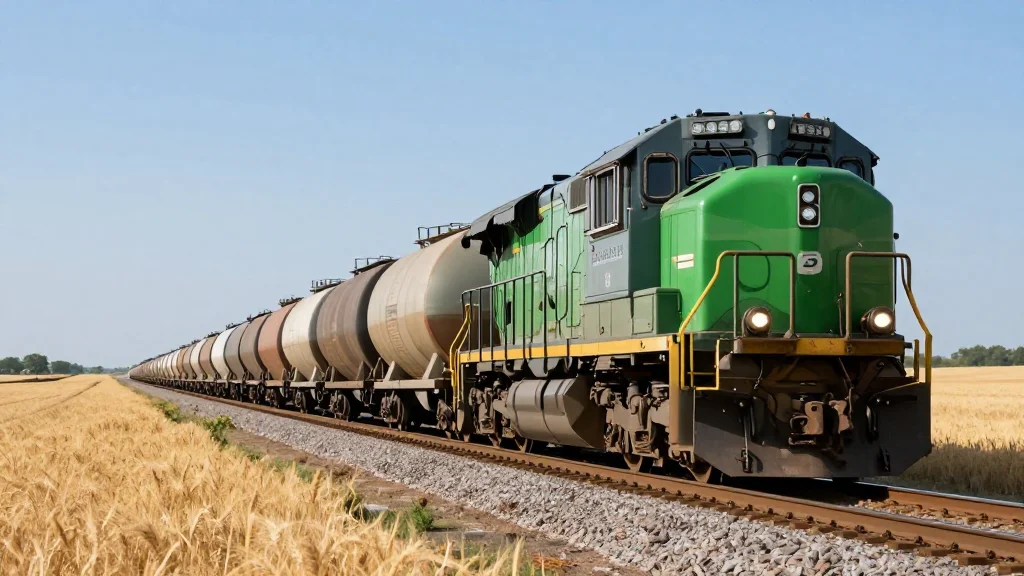
Rate, Service Issues Flagged by Ag Retailers in Union Pacific-Norfolk Southern Rail Merger
Companies Mentioned
Why It Matters
Consolidating two Class I railroads could raise transportation costs and jeopardize the timely delivery of essential agricultural inputs, affecting farm profitability and U.S. food security.
Key Takeaways
- •ARA represents >5,000 agricultural retail locations nationwide
- •Rail freight rates up >40% in 20 years, faster than trucks
- •Two‑thirds of U.S. fertilizer moves by rail
- •Previous rail mergers reduced competition and raised costs
- •Merger could concentrate pricing power in one carrier
Pulse Analysis
The Union Pacific‑Norfolk Southern merger is pitched as a logistics breakthrough, promising to eliminate time‑consuming car interchanges and increase network capacity. Proponents argue that a single, streamlined carrier can move more volume with fewer bottlenecks, potentially lowering per‑ton costs for shippers across industries. However, the rail sector is already dominated by four Class I carriers that control roughly 90% of freight traffic, a concentration that regulators have struggled to balance against efficiency gains.
Agricultural retailers are sounding the alarm because their members rely heavily on rail to move critical inputs. Freight rail rates have risen more than 40% after adjusting for inflation, outpacing the 70% slower growth in truck rates, while fertilizer components such as anhydrous ammonia have more than doubled in price since the mid‑2000s. With two‑thirds of U.S. fertilizer shipments traveling by rail, any increase in shipping costs or service unreliability directly squeezes farm margins and can ripple through food prices for consumers.
The Surface Transportation Board faces a tough decision. Past rail consolidations have often led to higher tariffs and service disruptions, especially for shippers with only one carrier option. If the merger proceeds without robust safeguards, it could erode negotiating leverage for ag retailers, elevate input costs, and strain the broader food supply chain. Stakeholders are urging the STB to weigh these sector‑specific risks alongside the touted efficiency benefits, underscoring the merger’s far‑reaching implications for America’s agricultural economy.
Rate, service issues flagged by ag retailers in Union Pacific-Norfolk Southern rail merger
Comments
Want to join the conversation?
Loading comments...